
Dynastic mafia romance uses inherited criminal power to put a private relationship under public pressure. The central question is whose position the family expects a marriage or partnership to secure. Look for a premise that names the succession problem: the designated heir may have something to lose, while the supposedly peripheral relative may have a different kind of leverage.
Distinguish crime-family succession from legal royalty
Words such as prince, princess, throne, or crown can be metaphors for a crime household’s hierarchy. They do not necessarily point to a royal setting. If you want mafia succession, ask what authority is being passed down within the fictional organization. If you want actual royal court life, look for that setting explicitly instead of relying on a glamorous title.
Silk Throne offers a concrete comparison of family power. Its description shows Ysabel summoned to a cartel household and told that her marriage will seal a ceasefire. Her private work helping other women find exits conflicts with an alliance designed to restrict her own. The opening presents inherited household pressure and a marriage bargain; it does not tell you about a succession contest or a royal court.
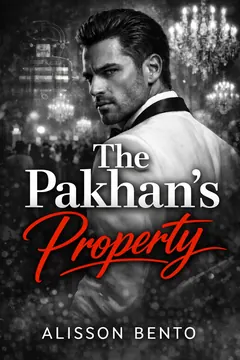
From Alisson Bento’s books
A mafia romance about a wedding she did not choose to a man she cannot escape.
Kindle edition · Check Kindle Unlimited availability on Amazon.
Follow whose inheritance or position is threatened
Pay close attention to the threatened position. The heir may fear losing command, money, approval, or access to people they care about. Another character may fear being kept permanently in a supporting role. These stakes produce different romantic choices. A protagonist trying to hold on to leadership can approach an alliance very differently from one who sees losing status as a possible escape.
Succession can also create an audience inside the family. Siblings, advisers, and other relatives may read a private invitation as a sign of allegiance. That lets small romantic actions carry public consequences, but the book should make clear why a particular gesture matters. You may prefer intricate household maneuvering or a simpler conflict centered on two adults refusing a planned future.
Look for an adult relationship that changes loyalty
Ysabel’s starting conflict, as the description records it, gives the relationship a public purpose before any private commitment: the family wants a ceasefire sealed through her marriage. A reader looking for a couple who maneuver for leadership would need further confirmation of that specific thread. A reader drawn to a heroine who challenges her household’s planned alliance already has a concrete premise to explore, with her private goals visible beside the family’s demand.
Separate inheritance, appointment, and effective command
An inherited claim and the ability to wield power are different things in a story. A relative may be named as successor while others control resources, information, or loyalty. Another may have no formal claim yet do the work that keeps the organization running. If you enjoy dynastic maneuvering, look for a premise that separates who is expected to inherit from who can make a decision stick. That gap gives the romance a more specific problem than simply belonging to a powerful family.
The uncertainty may concern legitimacy rather than competence. An adult who knows the business could still need recognition from relatives or allies. Someone with an accepted title might depend on people who distrust their personal choices. These arrangements make a romantic partnership consequential, because observers read it as evidence about future leadership. Ask whether the couple’s connection changes access, recognition, or resources, rather than assuming that every glamorous family wedding is a succession plot.
The wording of a description can blur this distinction. A throne in a title may suggest rank without showing a contest over its transfer. The opening of Silk Throne concerns a ceasefire marriage imposed within a cartel household. It is an adjacent example of family authority pressing on a private future, rather than a confirmed recommendation for succession. Readers looking for an heir who actively competes for command need confirmation beyond that marriage premise.
That does not make the adjacent example uninteresting. Ysabel has a private project before the alliance is announced: she helps women escape violence through Aster House, arranging identities, housing, and routes with Catalina’s legal support. Her father’s demand conflicts with work already centered on exits. That contrast, drawn from the description, gives household power a personal cost. The opening asks how someone used to helping others leave responds when her own future is assigned.
Read a partnership as a public signal
Inside a dynasty, outsiders can read a relationship before the lovers agree on what it means. A dinner invitation might suggest endorsement; standing together during a dispute could be taken as allegiance; marriage can imply a future distribution of influence. For readers who enjoy political tension, these double meanings turn small gestures into consequential scenes. The author still needs to set out the local rules so that you understand why a particular act has drawn attention.
A private promise can also clash with a public expectation. One adult may want the relationship recognized while the other fears that recognition will be used to assign them a role. Another may accept a public alliance but hesitate over personal commitment. These mismatched aims create different romantic problems. Decide whether you want lovers working out what other people assume, or negotiating what they actually intend between themselves. A dynastic setting can make both processes visible.
The audience need not be a single controlling parent. Siblings, advisers, employees, and allied households can have different interests in the partnership. A succession-focused book may grow intricate because approval from one group weakens trust from another. If you enjoy that complexity, ask for several relevant factions rather than merely an influential family. If you prefer a more intimate conflict, ask for the couple’s choices to stay central without requiring a large cast of strategic observers.
Public performance may become work in itself. The adults could need to appear united during a visit while arguing privately over what the alliance obliges them to do. Readers who enjoy restrained tension often appreciate this contrast between an orderly presentation and an unsettled relationship. Readers looking for open confrontation may prefer characters who challenge expectations in front of the household. Ask about that texture; both can arise from inherited power, but they feel different on the page.
Choose between keeping power and leaving its expectations
A designated heir may view succession as a responsibility, an opportunity, or a trap. Those starting attitudes shape what a romantic connection can offer. Love might encourage an ambitious character to govern differently, give a reluctant heir a reason to resist, or complicate a decision to leave. None of these possibilities is confirmed by the word dynasty alone. Ask what the protagonist wants from the inherited role before you decide whether their conflict suits your taste.
A supposedly peripheral relative can face another version of the problem. They may want recognition, prefer invisibility, or carry obligations that the named successor overlooks. A relationship with that person can challenge the household’s assumptions about who matters. If you enjoy underestimated characters, look for a premise that spells out what they understand or control. Being overlooked becomes more satisfying when it creates a concrete difference in the decisions available to the couple.
Leaving can be as complicated as staying. A person might lose access to money, a home, trusted people, or the means to keep going with a valued project. A story that makes those costs visible gives departure more weight than a simple rejection of a title. Conversely, remaining can mean accepting responsibilities the character first resisted. Decide whether you want the romance to help create an exit, or to make life inside the dynasty more workable.
Ysabel’s opening makes the clash between private goals and household demands explicit without settling this larger question. Her father calls the ceasefire marriage necessary, while she recognizes a loss of choice that contradicts her covert network’s purpose. Memories of her mother’s marriage sharpen her response. These details support an interest in resisting an assigned alliance. They do not show that she later seeks leadership, leaves the household, or changes the succession.
Look for the resources behind a family position
Power becomes easier to follow when the story ties it to something usable. A role may control routes, information, property, introductions, or the loyalty of a particular group. Losing that role then has an understandable effect. Readers interested in strategic romance can ask whether the book shows such mechanisms, rather than relying on declarations that a family is untouchable. A few concrete resources can make a complicated hierarchy clear without lengthy explanation.
In Silk Throne, the description mentions a war measured in damaged routes and dead officials. This places the ceasefire proposal inside a material conflict, rather than presenting the marriage as an isolated family preference. It also lets you separate the public reason for the demand from Ysabel’s private response. The description shows those opening pressures; any later shift in authority remains unconfirmed. Use the example to ask what a family needs from an alliance, not who eventually rules it.
Control and ownership can be separated too. Someone may formally inherit an asset while others know how it operates. Another may have access to information without permission to act on it. Such divisions can give both romantic leads meaningful roles without making their positions equal. If you want a partnership of complementary strengths, ask what each brings to the political problem. If you prefer one character introducing the other to the hierarchy, ask for that version instead.
The practical future matters alongside the title. A couple may agree that one person should hold power while disagreeing about where to live, what work to continue, or how much the household can demand of them. Those scenes keep the dynasty from becoming only an abstract contest. Readers who want romantic life inside political ambition can ask whether ordinary plans stay consequential. Readers who want the succession plot to dominate may welcome less time on those negotiations.
Ask about the hierarchy without asking who wins
A recommender can describe the starting arrangement without naming the eventual leader. Ask who is expected to inherit, who contests that expectation, and what role the relationship plays in the contest. If these points are unknown, keep the recommendation unconfirmed for succession even when the family-marriage premise is appealing. This is particularly useful with metaphorical titles, which can convey mood without supplying the specific leadership conflict your request needs.
The wider discussion of mafia family loyalty looks at belonging and choice. Dynastic romance adds the transfer of authority and the expectation that private life should serve continuity. Ask whether the couple wants to preserve that continuity, change it, or escape it. That distinction gives a reader more useful guidance than simply asking for powerful protagonists with a family name.
Your strongest request may combine a real succession conflict with the relationship texture you prefer: adults who maneuver together, rivals whose partnership changes the hierarchy, or lovers whose future threatens a planned transfer of power. Specify whether intricate household politics or intimate resistance is the main pleasure. An adjacent alliance example stays useful on its own terms, while a confirmed succession recommendation must answer the narrower question that brought you to dynastic mafia romance.
Consider whose future the proposed alliance is meant to secure. A household can describe a marriage as necessary for continuity while paying little attention to the adult expected to enter it. Another may treat the couple as active architects of a future leadership arrangement. Those starting roles change how a negotiation reads. Ask whether the lovers inherit a plan, design one together, or become valuable pieces in somebody else’s design.
A precise request is: “I want adult mafia romance centered on succession, with both romantic leads making decisions about inherited obligations. Whose position is threatened, and is the main tension keeping power or leaving its expectations? Please explain the starting hierarchy without revealing who becomes leader.” This protects the outcome while helping you choose between an ambitious partnership, a rejected dynasty, and lovers caught in someone else’s succession plan.
Read another angle: Forced proximity in mafia romance: safe house, captivity, or alliance? · Fake relationships in mafia romance: choosing the public cover story · Mafia romance and family loyalty: who gets to choose?
Explore the wider romance catalogue. The catalogue groups books by genre and trope; it does not confirm every preference discussed in this guide.