Cowboy why-choose romance is most interesting when shared land creates different reasons for contact rather than making several partners interchangeable. Ranch work, lodging, and romance can overlap, but they remain separate commitments. Choose the premise by what brings the heroine onto the property and what she needs to preserve there.
If you enjoy everyday work alongside group attraction, you may want the ranch to matter beyond scenery. You could be equally interested in a newcomer finding her footing and a former resident returning. Those preferences lead to very different kinds of proximity and personal stakes.
Winter employment makes shelter part of the decision
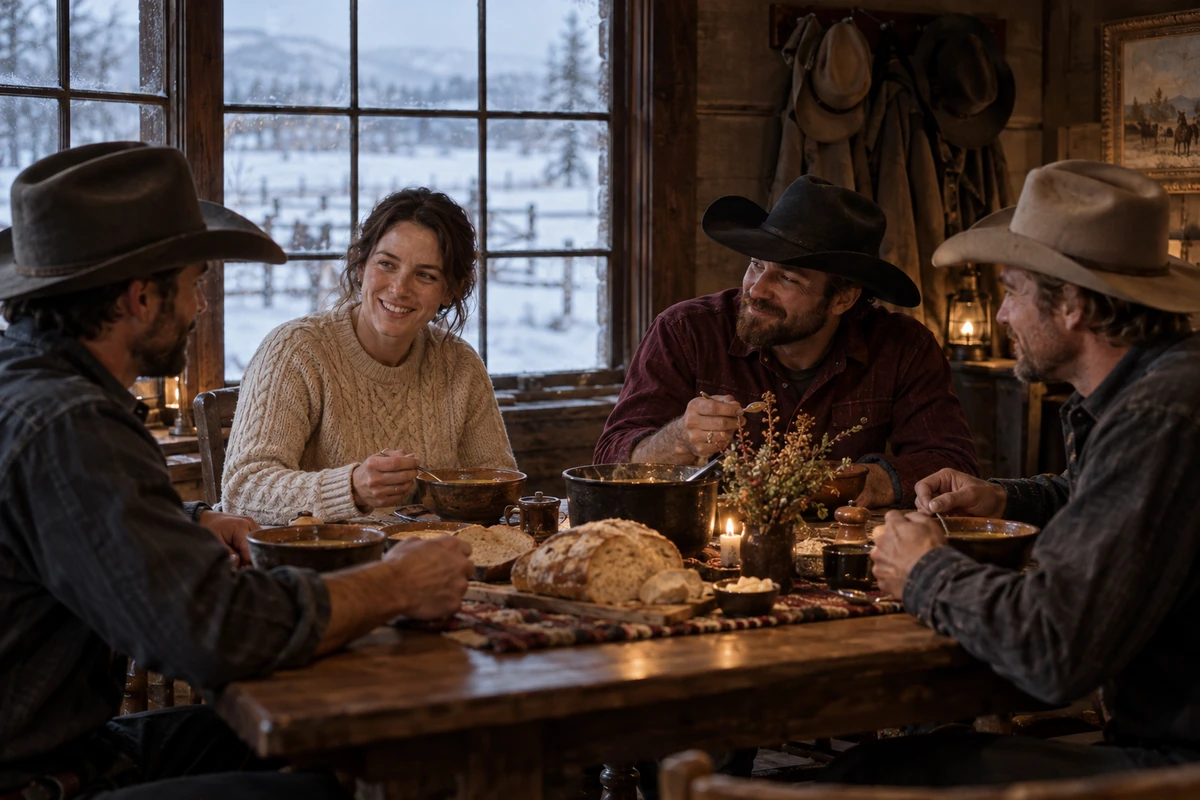
In Claimed by the Coven, Juno seeks cash winter work at a remote ranch without papers or questions. Foreman Thatcher sets strict terms, including a ban on the Big House after dark. Callum and Declan offer conversation and supper, but her history makes ordinary kindness difficult to trust.
This western vampire reverse-harem opening gives the ranch practical weight: work and a roof matter from the start. A supper invitation therefore carries more uncertainty than an uncomplicated social date. If you enjoy a heroine who tells hospitality apart from obligation, Juno’s guarded arrival poses that specific question, alongside the property’s unexplained rules.

From Alisson Bento’s books
A vampire romance about hate, sparks and the moment the line between them burns.
Kindle edition · Check Kindle Unlimited availability on Amazon.
A fixed assignment puts an end date beside old affection
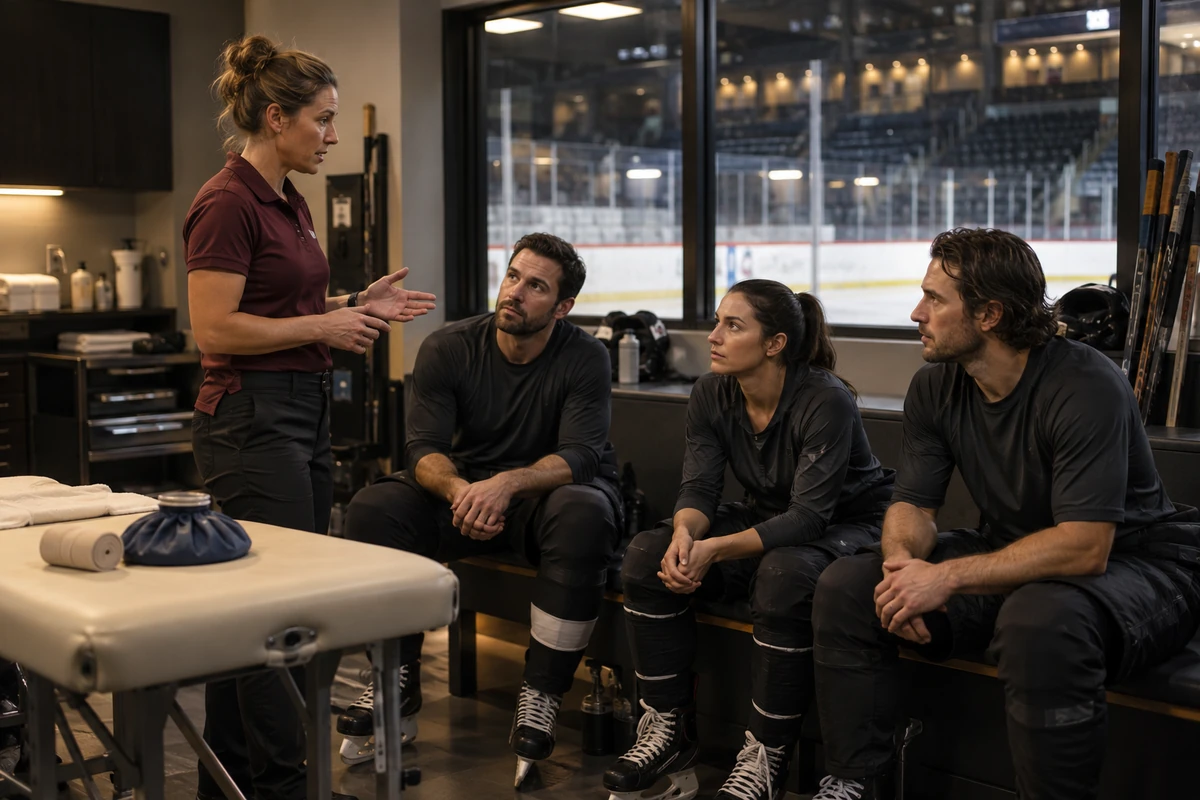
The Pilot and Her Cowboys brings Taryn back to Crosswind Ranch for six weeks of aerial-support and emergency-flight training. Gavin, Mason, and Jonah know her unresolved history. Rescue horses and a veterinary clinic tie her teaching to the property’s wider work.
This is a different kind of invitation: Taryn arrives with a defined skill and a temporary professional goal. Renewed cooperation can be judged against what she came to accomplish. The emotional question concerns the people she left, rather than whether unfamiliar workers’ friendliness is safe to accept. Both openings make work part of the connection without making a job equivalent to romance.
Group households still need particular bonds
Consider whether you want a working household that gradually grows into intimacy, or an existing connection challenged by a new assignment. A shared meal can show belonging; a private conversation can reveal what one person understands that the others do not. The pleasures complement each other, but they are not substitutes.
Read the ranch as a set of practical relationships
A ranch brings people together through work, residence, and obligations that may not line up. An owner, foreman, worker, and visiting specialist can all share a property while having different authority and different reasons to stay. If you want the setting to matter, look for those distinctions. They let attraction unfold among adults with particular responsibilities, instead of turning the land into a backdrop that supplies several interchangeable partners.
Juno’s arrival makes work and shelter immediate concerns. Cash payment without papers or questions gives the job a specific appeal to someone keeping her distance from a dangerous past. Thatcher’s terms then make clear that the property has rules beyond ordinary labor. The ban on entering the Big House after dark creates a boundary she does not yet understand. This western vampire opening is useful if you enjoy learning a household through the limits attached to a necessary job.
Taryn arrives under a different arrangement. Her six-week training contract has professional goals and an end date, while the ranch’s veterinary clinic and rescue horses set that work within a wider practical setting. The description sets out the expertise the project needs, as well as the unresolved history with the men there. A reader can therefore expect cooperation and recognition, rather than only uncertainty about strangers. Decide whether familiar attachment or unfamiliar hospitality is the more appealing entry.
Both openings make a task consequential, but the tasks give the heroines different bargaining positions. Juno needs cash winter work and a roof; Taryn has a defined assignment that brings military flying into rescue training. The comparison does not cover everything either woman can later choose. It shows why an invitation, rule, or disagreement will carry different weight at the start. Shared land creates contact, while the work arrangement determines what that contact costs.
Distinguish hospitality from an obligation to become close
An offered supper can be ordinary welcome, practical support, or a gesture that a wary newcomer struggles to read. Readers who enjoy restrained tension may find this uncertainty appealing because no dramatic declaration is needed. In Juno’s description, Callum and Declan’s friendliness is harder for her to trust than explicit warnings. Her memories of purchased loyalty supply a reason for that reaction. The opening does not show that their kindness is deceptive; it explains why she questions it.
A reader can appreciate the heroine’s caution without expecting her to turn down every offer. The interesting question is how she tells kinds of contact apart: paid work, access to shelter, company after a shift, and personal intimacy. A ranch household can blur these categories naturally, which makes clarification useful. If you like gradual trust, ask whether the adults get chances to make an invitation understandable, rather than assuming that a shared meal settles every concern.
An established connection can create a different kind of obligation. Taryn’s former familiarity with Gavin, Mason, and Jonah may make conversation easier in some ways while making unfinished history harder to avoid. The household knows old habits, yet a return does not automatically restore the previous relationship. If you enjoy second chances, ask whether the present assignment gives the adults a new way to engage. Cooperation now and memories then can both be part of the tension.
Group hospitality and individual understanding are complementary pleasures. A shared table can let the heroine see how the household works; a private conversation can reveal what one person notices that others overlook. Some readers want many communal scenes, while others prefer them as bridges between distinct bonds. Specify that balance in a recommendation request. A ranch’s communal life does not guarantee that every romantic connection gets the particular attention you want.
Choose how seasonal and temporary work affect the pace
Winter can make a job and a roof more urgent while limiting movement beyond the property. It may also give daily routines a close, repetitive texture. In Juno’s opening, winter work is the reason for arrival, and the remote ranch makes the shelter matter. The vampire framework adds unexplained rules to that practical need. Readers looking for a conventional ranch romance should note the supernatural crossover, rather than treating the example as proof of an entirely ordinary cowboy household.
A fixed contract puts a different kind of time pressure on things. Taryn can measure the assignment against six weeks, so emotional decisions happen alongside a professional schedule. A temporary return can make an unfinished conversation feel urgent without needing a constant outside threat. If you enjoy the question of what happens after a working visit, ask whether the end date stays active in the romance. The opening sets out the deadline but does not show her eventual plans.
Work rhythms can also affect who spends time together. Early starts, animal care, training sessions, and other duties can bring different pairs into contact. A book may use those occasions to reveal individual habits, rather than manufacture separate meetings unrelated to the setting. If that appeals, look for romance that grows beside recognizable responsibilities. You do not need extensive technical description, but enough practical continuity can make the relationships feel rooted in the ranch.
The setting can become less satisfying if every obligation disappears as soon as attraction begins. Readers who came for working-land texture may want the adults to continue addressing the reason the heroine arrived. Others may welcome a quicker move toward intimate household scenes. Neither preference needs justification. Ask how much ranch work and training remain on the page after the opening, rather than assuming that the cover’s western atmosphere answers the question.
Read separate bonds through different forms of attention
Distinct partners do not need a rigid division into the reassuring one, the difficult one, and the playful one. A meaningful difference can concern a shared task, a memory, or a particular question. One person might understand why a rule troubles the heroine; another might challenge how she approaches a professional goal. What matters is whether each connection changes what they know about one another. Personality labels are less useful than scenes with different consequences.
In a newcomer premise, individual conversations can help the heroine read the household. She may receive different explanations of the same rule, or notice that one person asks about a need others take for granted. In a reunion, the partners may remember different aspects of the past. These possible structures give cowboy why-choose romance more than one route to distinct intimacy. The named openings set out the starting contexts, not every later conversation, so ask about the development separately.
The partners’ relationships with each other can make those distinctions richer. Shared work may require coordination even when they disagree about a personal matter. Long familiarity can let one person recognize another’s discomfort before it is spoken aloud. Readers who enjoy a household network may want these interactions kept visible. Readers who mainly want the heroine’s separate bonds can ask for more one-to-one space. A shared property can support both, but the emphasis changes the reading.
The discussion of a balanced why-choose cast looks at why equal page time is only one measure. For a ranch romance, add whether each partner has a specific place in the working world and a particular connection with the heroine. A person becomes memorable when their decisions and conversations matter, even if the group often works or eats together.
Keep residence, labor, and romantic commitment separate
Living in the same place can create intimacy without creating an agreed relationship. A job can require cooperation without requiring personal disclosure. An adult may welcome romance while wanting different housing or work terms. These separations make a shared-land premise nuanced, because belonging can grow at different speeds in different parts of life. If you enjoy practical negotiation, ask whether the book gives those differences room, rather than treating residence as automatic romantic agreement.
A return to familiar land can also raise a question about what counts as home. The place may feel recognizable while the heroine’s current aims have changed. A newcomer may instead discover belonging slowly through work and daily contact. Taryn and Juno offer these contrasting entrances. Neither opening confirms a final household arrangement. Their value is the way they let you choose between revisiting a place already loaded with history and learning a place whose kindness remains uncertain.
A precise request can pair the working premise with the emotional texture: a winter employee gradually learning a household, a visiting specialist with a fixed end date, or a returning heroine negotiating unfinished ties. Add that you want individual connections alongside group scenes, and that ranch responsibilities should stay relevant. These points can be answered without a final relationship map or an account of who stays. They identify the land-based contact that makes the romance interesting to you.
Then sample the first ordinary task. Does it show what the heroine knows, what she needs, and how another person responds? That scene often tells you more about the book’s texture than a sweeping description of open country. A cowboy why-choose premise becomes particular when the shared property produces different relationships, with practical commitments that continue to matter while the adults discover what they want from one another.
You can narrow your next choice to “cowboy why-choose where ranch responsibilities matter and individual relationships develop beside group scenes.” The two openings give distinct starting points for that search. Neither one tells you how every later household duty or romantic commitment is shared out, so those remain useful questions for a sample or a fuller relationship note.
Read another angle: Sports why-choose romance: separate partners inside a shared team · Vampire why-choose romance: immortality across a group · Distinct love interests in why choose: what makes a cast feel balanced
Explore the wider romance catalogue. The catalogue groups books by genre and trope; it does not confirm every preference discussed in this guide.