For readers drawn to a fugitive heroine, winter ranch labor, and a western vampire reverse-harem premise. Juno's calluses and guarded response to an ordinary supper invitation make independence concrete, while the Big House rules introduce the ranch's mystery through the conditions of her employment.
21 books
Cowboy Why Choose Romance: Shared Work, Land and Several Bonds
Cowboy why choose romance combines western or rural life with several romantic connections around a central character. The setting can give those connections a material foundation: a ranch needs work, a horse needs skilled handling, an emergency demands cooperation, or an inheritance brings people into the same dispute. The relationship structure adds another layer because a shared task does not make every personal bond identical. In Alisson Bento’s standalone books, a returning pilot, a cookbook writer, a historical bride and two ranch heirs enter very different arrangements. Start with what the heroine has come to do and how the men already belong to the place. That comparison makes the combination more useful than treating every rural group romance as one promise of belonging.
Compare these starting points
For readers drawn to military cowboy reverse harem, a technically skilled heroine, and rescue scenes grounded in field procedure. Eden's geospatial evidence and the belongings she carries from a past loss add investigative and emotional stakes to the immediate danger of the burn zone.
For readers who want a second-chance why-choose cowboy romance with a military pilot heroine and a ranch rescue project. A fixed six-week assignment creates a concrete reason for renewed contact. This standalone suits readers drawn to professional competence, difficult homecomings, and three distinct connections burdened by a shared past.
Choose this for a Gold Rush western, a marriage-advertisement journey, and a polyamorous household premise. Willa's limited travel money, sewing background, and questions about the legal marriage make the opening a useful match for readers who enjoy practical constraints within historical courtship.
Several connections within a working place
Cowboy identifies a western or rural context; why choose identifies a multiple-partner romantic framework. Neither gives a full description of the relationships. The men may share employment, a household, a claim or a history, while the heroine arrives with her own responsibilities. Their shared setting can create repeated contact without making every meeting feel the same. A useful reading question is what each encounter asks her to do: teach, negotiate, learn, defend a claim or decide whether to stay. The work can reveal compatibility and friction through action as well as conversation.
This structure differs from a love triangle organized around choosing a winner. The interest can lie in several connections developing alongside one another, with private exchanges and group decisions carrying different weight. A rural setting adds distance and practical obligations to that pattern. A journey may be difficult, animals cannot wait for an emotional disagreement to end, and a financial deadline can affect a whole household. These are possible mechanisms of the combination, not features to assume in every book. Choose a premise that actually gives the characters a reason to keep meeting.
A return can be professional and personal at once
The Pilot and Her Cowboys brings Taryn back to Crosswind Ranch on a six-week contract to teach aerial support and emergency flight procedures. Her assignment has clear goals, funding requirements and an end date. Gavin Cross, Mason Cole and Jonah Vance remember the woman who left and the connection she did not resolve before leaving. Military flying has given Taryn skills the project needs, along with memories that complicate returning to the air. A veterinary clinic, rescue horses and a household familiar with her old habits keep the work closely connected to her past.
Choose this if you want a heroine whose competence is central to the renewed contact. Teaching emergency procedures gives Taryn an active role; she is not simply visiting until attraction appears. The six-week limit also creates a useful contrast between the schedule of a job and the unfinished business of a homecoming. For readers who enjoy second-chance romance, the question is how shared work brings old connections into present conversations. The opening description establishes a difficult return, rather than the exact course of each bond or the resolution of the memories she carries.
A winter stay can begin with a family obligation
Cowboys in the Cold follows Harper Lowe, whose cookbook is eight months overdue when a conservation foundation sends paperwork arranged by her late grandmother Eliza. A substantial grant for Stone Creek Ranch requires Harper to live there through the Montana winter and complete a habitat documentation report. Eliza has left her a quarter of the ranch and nine journals preserving the daily life she shared with Mason, Eli and Jonah. Harper knows cooking and writing, but the fieldwork and ranch duties are unfamiliar. A family legacy becomes a reason to remain in a place with three strangers.
This premise offers a different kind of competence gap from Taryn’s return. Taryn comes to teach skills the project needs; Harper arrives with a deadline and abilities that do not immediately cover her new responsibilities. If you enjoy learning a place through work, weather and inherited memory, Harper’s situation may suit you. The journals also give the ranch an emotional history she can encounter through a family member’s words. The grant makes staying consequential beyond attraction. Consider whether you want that combination of grief, documentation and a possible new home, or the more direct professional cooperation of the pilot’s assignment.
A historical household begins with questions about its terms
Wed to the West follows Willa Greer from Saint Louis after she answers a marriage advertisement. She carries family keepsakes and too little money for a return ticket. At Larkspur Bend, postmistress Hattie Doss explains that Beckett Carrow, Levi Thorn and Tate Halloran share a mining claim and wrote the invitation together. The single signature has concealed a proposed household involving three prospective partners. Willa wants answers about the marriage of record before she follows their wagon. Her seamstress experience and the loss of her father’s shop make both her caution and the urgency of her journey concrete.
Choose this for a Gold Rush western in which the arrangement itself needs explanation at the start. Willa’s questions are part of the attraction for readers interested in negotiation, practical constraints and historical courtship. Unlike Harper, she has crossed a great distance expecting a particular form of household; unlike Taryn, she lacks a familiar shared past with the men awaiting her. Sewing and careful counting shape her way of approaching the unfamiliar. The premise introduces polyamory, but it does not make every legal or intimate term obvious. The opening’s value is precisely that the heroine wants to understand what she has been invited into.
An inheritance can confer authority without settling it
In Three Men for the Heir, Celia Ortega inherits her grandfather Mateo’s high-country ranch and its senior spring, Dry Mercy. At the county records office, she discovers that Mara Duvall’s lawyer has been asking about grazing, water history and possession. Celia’s city-planning experience helps her recognize a possible land grab beneath tidy legal language. Beck, Levi and Tate accompany her as witnesses and protectors, while she insists that their assessment of danger leave her decisions intact. When a representative grabs her arm, the response includes force, a blocked exit and recorded evidence.
Inheriting the Cowboys gives Cutter Mabry a different first test. She arrives at her inherited Texas ranch after another truck forces her off the road and damages her Ford. Foreman Dax Hollowell openly resents her and warns that a deed cannot make her competent. A dust-storm emergency then panics a stallion and breaks its gate. Cutter steps into the escape route and helps secure the pen before she has unpacked. Her three thousand acres establish ownership on paper, but practical action immediately matters to the people who kept her grandfather’s ranch running.
Compare these heirs by the kind of authority you want to follow. Celia reads records and insists on making decisions during a threat to land and water. Cutter confronts a hostile reception and a physical animal emergency. Both have a legal claim, but their first encounters test different skills. A reader who enjoys evidence, property language and protective negotiation may prefer Celia. A reader drawn to an abrasive arrival and action around horses may prefer Cutter. Neither opening establishes how quickly hostility or protectiveness becomes trust; each gives you a distinct reason to care about the heroine’s place on the ranch.
Debt turns the ranch into something a heroine may lose
Owned by the Ranchers begins with Page Holden returning to the Bitterroot Valley in a blizzard, almost broke after trying to train horses elsewhere. Her father’s death has left a damaged home and a foreclosure notice that comes before the promised grace period. The two hundred and eighty thousand dollar debt threatens Tempest, the stallion whose trust and talent matter to Page’s future. Theo, Martin and Carl have signed the lien through the McCarthy Estate Trust. Page links them to her family’s ruin, yet must drive up the ridge to confront the men who now hold the debt.
This is a sharper property pressure than simply arriving at an inherited place. Page faces the possibility of losing a living relationship with an animal as well as the ranch itself. Her skill as a trainer gives that loss personal and professional weight. Compare her predicament with Celia’s water-rights challenge or Harper’s grant conditions: all involve a ranch’s future, but debt, contested land and funded conservation ask different things of the heroine. If you want financial dependence and resentment at the center of the first meeting, Page’s journey provides that specific starting point.
Compare the time available to settle in
Time changes the feel of a rural arrival. Taryn has six weeks and a professional plan; Harper’s grant requires an entire winter in residence. Willa has already spent her limited money on a journey whose terms surprise her. Cutter’s first chance to establish herself is interrupted almost immediately by an escaped stallion, while Page has an auction approaching. Celia encounters questions about possession at the records office rather than receiving an unchallenged welcome. If you want room for daily routines to matter, the winter assignment may attract you. If you prefer an urgent first test, the animal emergency or threatened foreclosure gives the opening that pace.
A fixed period can also make the idea of belonging more concrete. Staying is not merely a feeling when it is connected to grant requirements, a job contract, a home or a legal claim. Leaving can have costs before the heroine knows what she wants romantically. These premises invite different versions of that question: finishing useful work, accepting a household, protecting inherited responsibilities or preserving the means to earn a living. Choose the version whose practical consequences interest you, and let the relationships develop within that particular timetable.
Choose the shared task before assuming a shared mood
For a first selection, identify the activity you want to follow between romantic encounters. Taryn teaches emergency flight procedures; Harper must document habitat through a winter stay; Willa questions a marriage invitation; Celia examines a threat to inherited land; Cutter helps contain a frightened stallion; Page tries to prevent foreclosure and protect Tempest. These tasks produce different kinds of proximity. A scheduled assignment can invite cooperation, a historical journey can make return difficult, and a debt deadline can push a confrontation. Multiple connections gain texture from the particular reason the heroine is there.
The surrounding guides can refine that choice. Small-town romance is useful when community life attracts you most. Bodyguard romance highlights the protection question raised by men who accompany a threatened heroine. Forced proximity focuses on circumstances that make separation difficult, while the broader why choose guide lets you compare several-partner stories beyond rural settings. The cowboy combination does not establish sexual explicitness, every relationship within the group, a particular ending or a uniformly gentle atmosphere. All the books here stand alone. Choose the work, the practical stakes and the initial arrangement that interest you, then read the individual information for the boundaries you need.
-
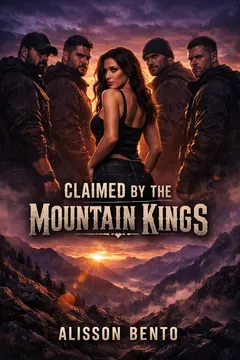 Bestseller
Claimed by the Mountain Kings
4.4 Goodreads 4.22 (23) Buy on Amazon
See the book
-
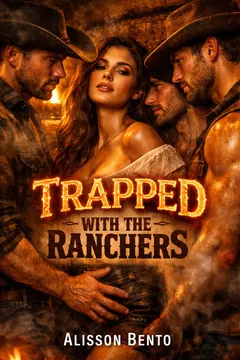 Trapped with the Ranchers
4.1 Goodreads 4.15 (40) Buy on Amazon
See the book
-
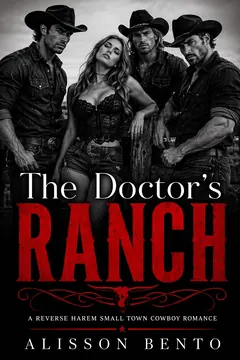 The Doctor's Ranch
4.1 Goodreads 4.58 (19) Buy on Amazon
See the book
-
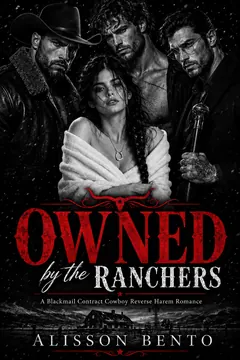 Owned by the Ranchers
Buy on Amazon
See the book
-
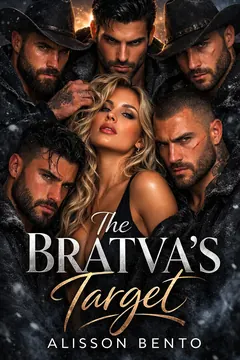 The Bratva's Target
4.1 Goodreads 3.92 (12) Buy on Amazon
See the book
-
 Intoxicating Touch
4.0 Goodreads 3.77 (31) Buy on Amazon
See the book
-
 Lassoed by Four
4.0 Goodreads 4.47 (17) Buy on Amazon
See the book
-
 Her Montana Men
4.0 Goodreads 4.15 (39) Buy on Amazon
See the book
-
 The Lawson Brothers
3.2 Goodreads 3.71 (14) Buy on Amazon
See the book
-
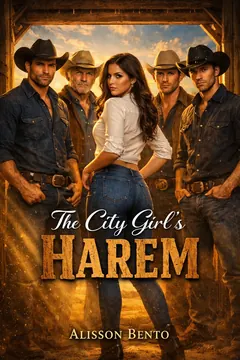 The City Girl’s Harem
3.9 Goodreads 4.26 (23) Buy on Amazon
See the book
-
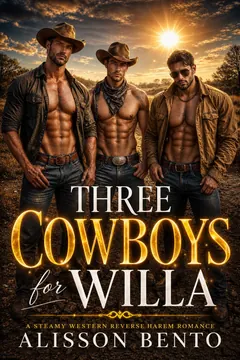 Three Cowboys for Willa
3.6 Goodreads 4.23 (13) Buy on Amazon
See the book
-
 Cowboys in the Cold
3.5 Goodreads 3.77 (13) Buy on Amazon
See the book
-
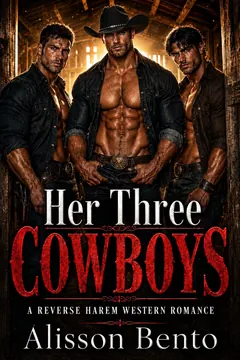 Her Three Cowboys
3.5 Buy on Amazon
See the book
-
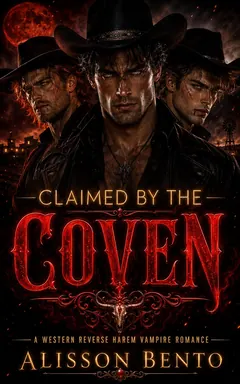 Claimed by the Coven
Buy on Amazon
See the book
-
 Inheriting the Cowboys
Buy on Amazon
See the book
-
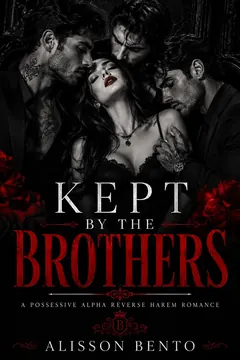 Kept by the Brothers
3.1 Goodreads 3.00 (13) Buy on Amazon
See the book
-
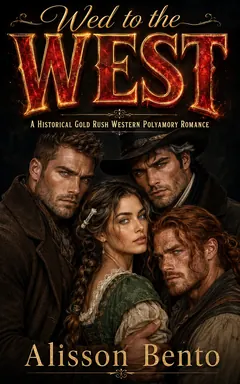 Wed to the West
Buy on Amazon
See the book
-
 The Pilot and Her Cowboys
Buy on Amazon
See the book
-
 Wildfire Hearts
Buy on Amazon
See the book
-
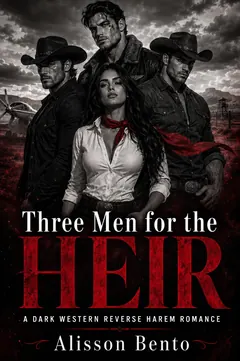 Three Men for the Heir
Buy on Amazon
See the book
-
 New
Four Cowboys and a City Girl
Buy on Amazon
See the book
Browse by what you crave.
By genre
By trope
- Find romance books by trope
- Possessive Hero
- Captor & Captive
- Bodyguard & Protector
- Debt & Bargain
- Enemies to Lovers
- Marriage of Convenience
- Forbidden Love
- Forced Proximity
- Small Town
- Fake Dating
- Arranged & Forced Marriage
- Boss & Employee
- Slow Burn
- College & Academia
- Secret Baby
- Single Dad
- Revenge
- Curvy Heroine
- Second Chance
- Fated Mates
- Royals
- Grumpy & Sunshine
- Morally Grey
- Runaway Bride
- Age Gap
- He Falls First
- Holiday Romance
- Touch Her and Die