Cowboy protector romance needs an actual source of danger to set it apart from a capable rancher who simply cares. Identify the threat, the protection role, and the protected person’s contribution. Rural skill can shape the response, but riding well or knowing the land does not automatically amount to a security assignment.
If you enjoy competent heroines under pressure, choose a premise where their knowledge changes the opening danger. A witnessed crime and a stalking crisis create distinct reasons to seek help. The romantic invitation also changes when the protectors are already neighbors rather than people yet to be trusted.
Professional knowledge can turn the heroine into a witness
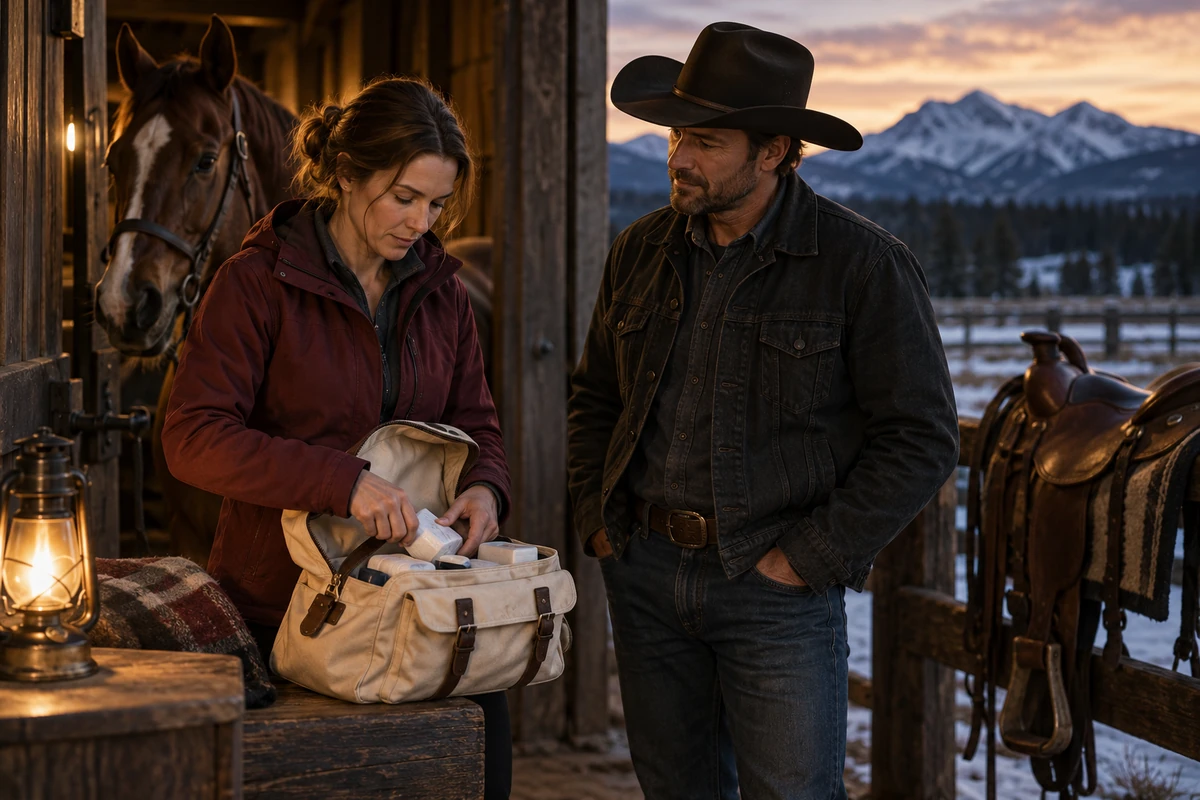
In Hidden in Montana, rodeo medic Sutton Mercer sees sponsor Judd Larson alter a rider’s rigging. She recognizes that the connection would prevent release and turns to a veterinary hold to stop the chute. Security answers to Larson, so the ordinary route to help is compromised.
Sutton then flees through the pens and into the mountains as his men pursue her into worsening snow. This opening suits readers who want danger directly connected to a heroine’s expertise. Her intervention interrupts a lethal ride before protection becomes the central need. It sets up a hunted-witness premise, not the complete identity or duties of her later protector.
From Alisson Bento’s books
A mafia romance about a wedding she did not choose to a man she cannot escape.
Kindle edition · Check Kindle Unlimited availability on Amazon.
Established neighbors can make assistance personally complicated
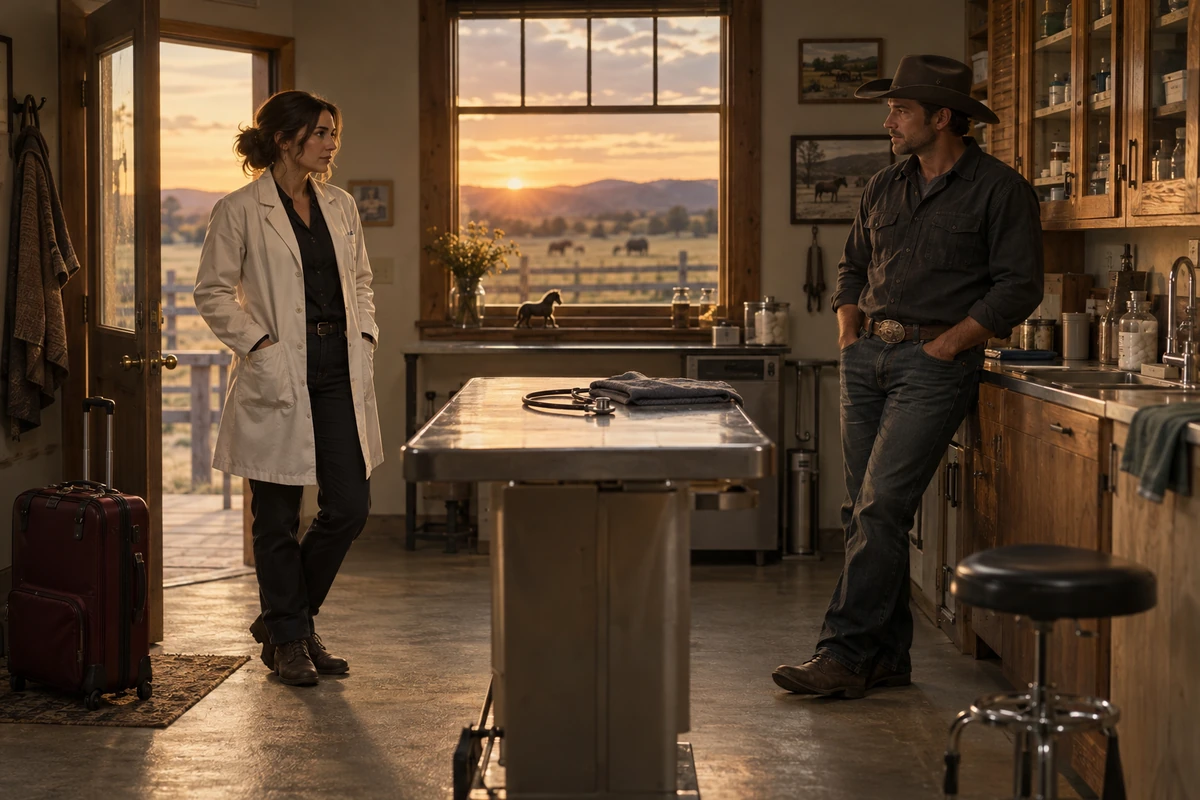
Her Three Cowboys begins with Delaney Prescott finding a slashed tire when lights fail in a rodeo parking lot. Unwanted calls and gifts already worry her. Boyd, Garrison, and Colter run a nearby private security firm. Boyd recognizes signs she has concealed, and the others have noticed changes.
The three men are also neighbors whose attraction Delaney has spent a year avoiding. This gives the opening two kinds of history: an escalating threat and an existing emotional connection. Choose it if you want professional protection entering a familiar local world, with evidence and transport forcing a conversation the heroine has postponed.
Protection should preserve the information only she has
A witness understands what she saw; someone facing stalking recognizes patterns in contact that an outsider may overlook. That knowledge can matter as much as a protector’s ability to act. Notice whether the opening makes her an information source and participant rather than only the destination of someone else’s rescue.
Read the threat through how it begins
A witnessed act creates immediate knowledge of a specific wrong. Accumulating unwanted contact creates a pattern whose significance may become clearer over time. These openings produce different suspense. A hunted witness can know why someone wants to stop her; a stalking premise can focus on what the intruder knows and how far the intrusion has reached. Decide which uncertainty you want to carry into the romance before asking for a generally protective cowboy.
Sutton’s discovery makes the source of danger direct. She sees a sponsor alter rigging in a way that would prevent a rider’s release, and her professional knowledge lets her recognize the consequence. Stopping the chute through a veterinary hold gives the observation an immediate action. The sequence shows that she intervenes before she becomes a fleeing witness. Readers who like a heroine whose expertise sets the suspense in motion have a concrete starting point.
Delaney’s tire makes an existing pattern harder to dismiss. Calls and unwanted gifts precede the rodeo parking-lot incident, and the threat has reached places where she works and rests. The damaged vehicle changes an ordinary departure into a problem of transport and safety. This can appeal to readers who like familiar spaces becoming unsettling. The description confirms those opening signs, but not the stalker’s final identity or every later escalation.
The difference affects pace. Sutton’s flight moves quickly from sabotage to pursuit in worsening snow. Delaney’s immediate crisis brings nearby people into a pattern she has already tried to manage alone. One entrance emphasizes movement away from a powerful culprit; the other emphasizes disclosure to people close enough to notice what has changed. Both can develop protector romance, but the initial conversations and practical tasks will carry different weight.
Separate useful rural knowledge from a professional protection role
Knowing routes, weather, animals, or equipment can make a rural response specific. It does not automatically make a character a hired guard. A rancher helping in an emergency and a security professional accepting an assignment can both be protective while operating under different expectations. Ask which role the book actually presents. If the professional duty matters to your reading, a capable cowboy alone is not enough to confirm it.
Her Three Cowboys gives that duty a concrete basis because Boyd, Garrison, and Colter run a nearby private security firm. Their connection as neighbors makes the professional skill personally complicated rather than impersonal. Delaney has avoided attraction for a year, so accepting help brings an existing emotional issue into the same conversation as evidence and transport. The description sets out these overlapping roles without spelling out every later arrangement.
Hidden in Montana confirms a cowboy-protector framework, but its opening concentrates on Sutton’s witness status and escape. It does not identify the complete duties of the later protector. This makes it a grounded example of the threat and heroine contribution, with the precise protective relationship left to investigate. Readers seeking a formally hired bodyguard should ask about that specific feature rather than inferring it from the protector label.
Rural skill can also belong to the heroine. Sutton’s knowledge of the arena grounds buys time while she escapes through the pens. Her medical role helps her identify the sabotaged rigging. These are different contributions, one interpretive and one practical. A romance can therefore give the protector useful abilities without making him the only person who understands the environment. If complementary competence appeals, ask for a heroine whose information remains needed.
Choose whether familiarity makes help easier or harder
A familiar protector may know routines and notice a change before the heroine describes it. That can make help feel attentive, but existing attraction or unresolved history can also make the conversation difficult. Delaney’s opening uses both effects: Boyd recognizes signs, the other neighbors have noticed changes, and their personal connection has been avoided. Readers who like protection that exposes a postponed relationship may prefer this to a first meeting with a stranger.
Familiarity does not settle everything about trust. Someone can know where the heroine lives while not understanding why she withheld a concern. The practical response may require information she has not yet shared. If you enjoy gradual disclosure, request a story where the protector learns from her account rather than treating proximity as complete knowledge. This gives conversation an active role alongside physical assistance.
A new protector produces another kind of uncertainty. The heroine may evaluate competence quickly in a crisis while needing longer to understand intentions. That can create suspense about the person helping as well as the outside danger. If you want this texture, ask whether the protector is unfamiliar at the beginning. Do not assume that all cowboy-protector stories are rooted in a small town where everybody already knows one another.
Group protection can add distinct responses. One adult might focus on the vehicle, another on the evidence, another on what the heroine wants to do next. These are possible scene mechanisms, not later actions that the description confirms for Delaney’s neighbors. They show how a why-choose framework can make several protective relationships specific. Readers who enjoy distinct bonds can ask whether the group answers her concerns individually rather than functioning only as one collective solution.
Follow the heroine’s knowledge into the response
Information gained before help arrives can remain essential afterward. A witness can distinguish a deliberate alteration from ordinary sporting risk; someone facing unwanted contact may recognize a pattern that another person sees only in fragments. The protector’s capacity to act becomes more interesting when it depends on what she knows. Ask whether the full story lets her observations shape plans, rather than simply presenting danger as a reason others take over.
Sutton’s problem also includes compromised ordinary help. Arena security answers to Larson, the sponsor whose conduct she saw. That detail explains why her response does not rely on the expected route within the opening. It creates a specific trust problem tied to local influence. Readers who like suspense about powerful public reputations can appreciate this conflict without needing the ending or the identity of every later ally.
Delaney’s property gives her another concern. The description states that she still wants a say in what happens to it and in her next step. That makes accepting protection a discussion about practical participation, rather than a simple exchange of danger for reassurance. Readers who enjoy a capable heroine beside protectors can ask for this kind of involvement. It does not imply that she can eliminate all risk or that she must refuse assistance to remain active.
Immediate help and continuing planning can be paced differently. A protector may act quickly during an emergency and explain afterward, while longer arrangements require more discussion. If you enjoy both action and negotiation, ask whether the book gives each room. If your main pleasure is momentum, you may prefer fewer pauses. The opening’s intensity does not show how much the rest of the story devotes to practical conversation.
Let the landscape contribute to the danger
Weather and distance can make rural protection distinctive when they affect choices. Sutton’s pursuit climbs into Montana mountains as snowfall becomes a whiteout, so the route itself adds difficulty. The setting does narrative work beyond providing a romantic view. Readers who like environmental suspense can ask for terrain and weather that continue to matter. Readers more interested in interpersonal danger may prefer those conditions to remain a shorter opening obstacle.
A local setting can contribute differently through familiarity. Delaney’s rodeo lot and nearby security firm place assistance close to a recognizable working world. The danger unsettles spaces already connected to routine. This is less about remoteness than about intrusion. Ask whether you want isolation from help or the disruption of familiar places. Both are rural suspense pleasures, but they create different kinds of vulnerability.
The guide to bodyguards and protective heroes distinguishes care from duty. A cowboy-protector request should add the active threat and the skill the heroine brings to understanding it. That combination helps someone identify a book where protection has a concrete purpose, rather than recommending any attentive rancher with an imposing presence.
For a recommendation, name whether you want a hunted witness, accumulating intrusion, familiar neighbors, or an unfamiliar protector. Add that rural knowledge and the heroine’s observations should affect the response. Those points can be confirmed without revealing the culprit’s defeat or the final romantic arrangement. Choose the opening whose specific danger makes cooperation interesting, then ask separately about any later relationship or intimate-content requirements the description does not tell you about.
Consider the role of evidence in the pace you want. A witness may need to preserve a precise account while a protector addresses immediate movement. A stalking premise may require several scattered incidents to be understood together. These are different investigative pleasures beside the action. Ask whether the full story spends time interpreting the heroine’s observations, rather than treating the danger as self-explanatory once help arrives.
This also gives her knowledge a continuing function beyond the first rescue.
Ask for “cowboy protection where the heroine’s work or observations affect the response.” Sutton’s interrupted sabotage and Delaney’s damaged truck give that preference concrete form. To refine the choice, distinguish immediate pursuit from accumulating intrusion, and a new protector from already charged neighbors. Neither opening proves every later safety decision or intimate boundary, so keep those questions separate from admiration for capability.
Read another angle: Second-chance cowboy romance: choosing the history behind the reunion · Cowboy romance with a curvy heroine: body confidence beside rural belonging · Bodyguard romance vs a protective hero: when care becomes duty
Explore the wider romance catalogue. The catalogue groups books by genre and trope; it does not confirm every preference discussed in this guide.