Second-chance cowboy romance asks what is different between the adults now, not merely whether someone returns to a familiar town. A homecoming may reopen a relationship, a family conflict, or both. Choose by the history the opening shows and the present work that makes avoiding it difficult.
If you want a reunion with substance, look beyond nostalgia to a changed circumstance that requires action. A failing clinic, a threatened property, or a fixed training assignment can give old feelings something to confront. The pleasure lies in watching remembered people meet the lives they actually have today.
A homecoming can expose responsibilities left unattended
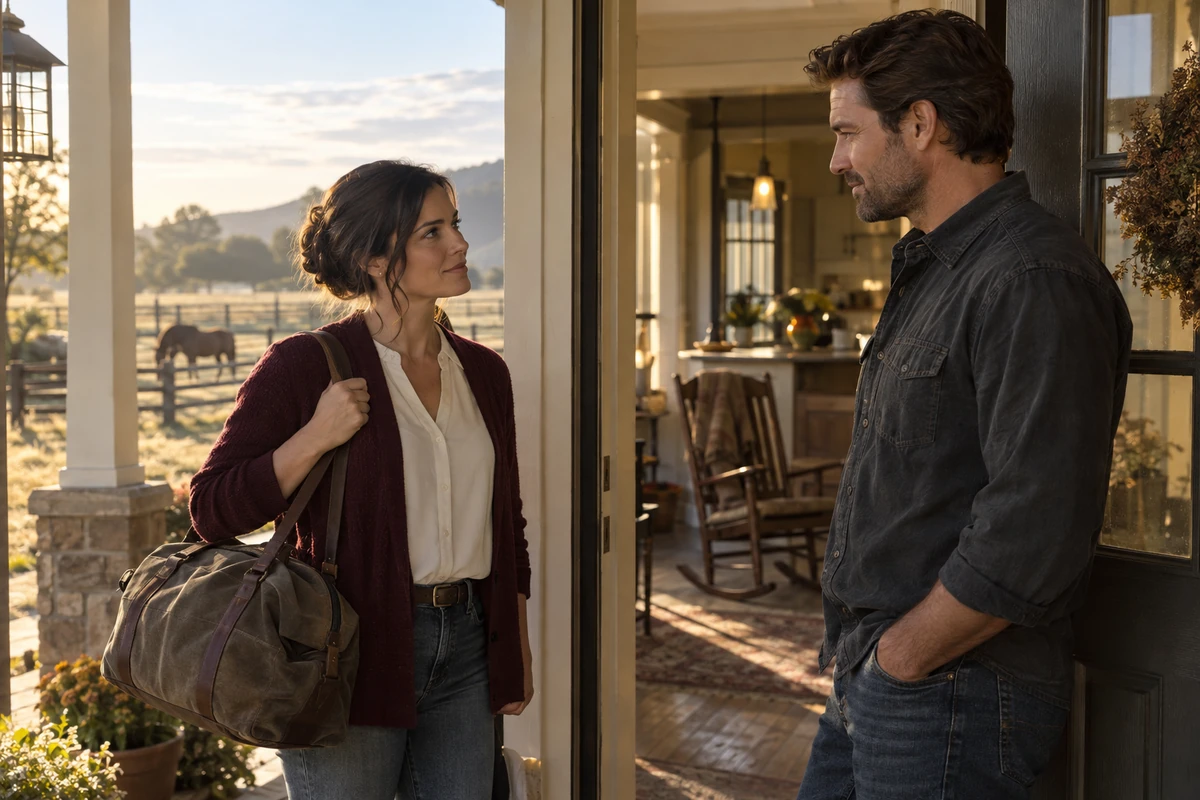
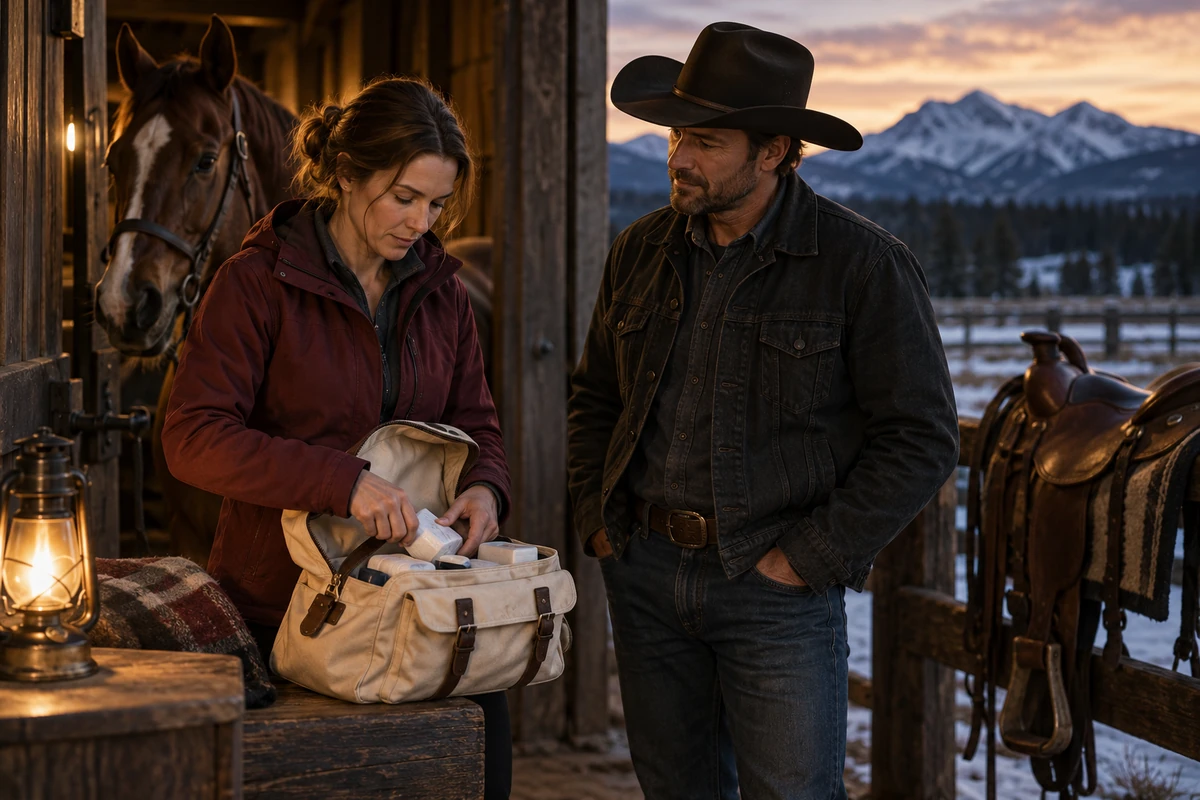
In Sunset at Walker Ranch, June Calloway returns from Seattle to a Montana veterinary clinic in alarming disrepair. Her father’s confusion and neglected treatment rooms make her absence consequential. Neighbor Nash Walker faces pressure to sell land for a resort access road, while her departure ten years earlier still feeds his anger.
This opening suits you if you want estrangement surrounded by family care and property stewardship. Both households have concrete problems; neither can be understood through a nostalgic greeting alone. It shows an old personal wound, but not the complete cause of a prior breakup or every adult’s account of what happened.

From Alisson Bento’s books
A vampire romance about a slow burn that makes every touch count.
Kindle edition · Check Kindle Unlimited availability on Amazon.
A temporary return can make unresolved attraction harder to postpone
The Pilot and Her Cowboys gives Taryn a six-week reason to return: teaching aerial support and emergency-flight procedures. Gavin, Mason, and Jonah remember her departure and their unfinished connection. Military flying supplies expertise the ranch-and-rescue project needs, bringing professional cooperation alongside emotional history.
Compared with June’s discovery of a deteriorating family clinic, Taryn arrives with a defined assignment and end date. Choose this opening if temporary proximity to several former connections appeals. The deadline explains why contact resumes; it does not show how earlier hurt will be addressed or which later decision ends the relationship conflict.
Changed circumstances and changed behavior do different work
A new job, illness, or inheritance may force a reunion. It cannot by itself show that the adults have learned to relate differently. As you sample, notice what happens when an old point of friction resurfaces: do they ask a new question, acknowledge a missing perspective, or rely on the same assumptions?
Separate a remembered connection from a confirmed former relationship
A reunion can involve former partners, unfinished attraction, a friendship, or family estrangement. Those histories create different kinds of second chance. If you want an actual previous romance, ask for that fact rather than assuming every angry neighbor was once a lover. If you enjoy unresolved possibility, say so: an unfinished connection is welcome. Naming the prior relationship helps a recommender identify the emotional starting point without recounting the entire past.
Sunset at Walker Ranch shows June’s departure ten years earlier as part of Nash’s anger toward the Calloways. It also names a western reunion framework. The description does not explain the full prior relationship or the complete cause of a breakup. The useful promise it makes is a homecoming that meets old hurt beside present family and property problems. Readers who require a specific romantic history need to confirm that history separately.
The Pilot and Her Cowboys more explicitly names unfinished connections with three men and a second-chance why-choose framework. Even here, the opening does not provide every account of why Taryn left or how each person understood it. The point of the comparison is not to rank the histories by seriousness. It is to distinguish a broad estranged homecoming from a fixed-term return that places several former attachments directly beside professional cooperation.
A recommendation can clarify whether the past is openly known at the beginning or gradually revealed. Some readers enjoy carrying the full history into every new conversation; others prefer understanding why the reunion is strained over time. Neither structure requires spoilers about the present outcome. Ask how much the opening tells you and whether separate perspectives complicate that account. This identifies the kind of anticipation you enjoy.
Read the present responsibilities as more than a reason to return
June’s clinic is not merely a destination where she happens to meet someone familiar. Neglected treatment rooms, unpaid obligations, and Arthur’s confusion make her homecoming a confrontation with losses that developed during her absence. The description supports those observations without confirming a specific medical diagnosis for her father. Readers interested in family responsibility can appreciate the concrete conditions while allowing the book to explain their wider meaning.
Nash’s threatened land creates a neighboring concern of a different kind. A developer wants ground for a resort access road, while Nash has maintained the boundary fence alone. June and Nash therefore face linked places without having identical tasks. This can appeal to readers who want a reunion embedded in working rural life. The property problem gives contact a practical setting, but it does not by itself supply an answer to the old wound.
Taryn’s return has a clearer professional schedule. A six-week contract to teach aerial support and emergency-flight procedures brings her into a ranch-and-rescue project with goals and funding requirements. The work needs skills developed through military flying, while memories complicate returning to the air. This mix, grounded in the description, makes the assignment more than a convenient excuse. The reader can follow what she came to accomplish while old relationships interrupt an organized plan.
These pressures can produce different moods. A deteriorating family business may invite a more open-ended reckoning with responsibility. A temporary contract may make postponement increasingly difficult because the end date approaches. If you like expansive homecoming stories, ask for sustained attention to the life left behind. If you like compressed reunion tension, request a defined period that forces the adults to decide what they can address now.
Notice whether the adults know who they are meeting now
Remembering someone can make contact easy while making recognition incomplete. A familiar habit may reassure one person even as the other feels reduced to an earlier version of themselves. Second-chance romance becomes interesting when the adults discover what has changed beyond the fact of absence. Readers who enjoy this process can look for questions about current aims and responsibilities, not only affectionate recollections of how things used to be.
A changed circumstance is easier to identify than changed behavior. A new job, a care responsibility, or a threatened property may bring the adults together, but the relationship depends on how they respond. Watch what happens when a familiar point of friction appears. Does someone ask before assuming, explain a limit, or notice an obligation they previously dismissed? Those small decisions can show present difference without requiring a dramatic account of personal growth.
Old anger can also be partly accurate and partly incomplete. A person may have experienced genuine hurt while misunderstanding another’s reasons. Readers who like nuanced reunions often want both facts allowed into the conversation. If you prefer a clear mistaken belief, request it. If you enjoy adults dealing with consequences even after explanation, ask for that emotional work. The opening’s visible resentment does not determine which kind of reckoning follows.
Point of view shapes the experience. Knowing both accounts can turn an argument into anticipation of what they have not told each other. Following one returning character can preserve uncertainty about the person waiting. Ask whether you prefer multiple perspectives or discovery alongside the newcomer. This is particularly useful in a group reunion, where several people may remember the same departure differently and the narration may reveal those differences at different times.
Choose what repair should look like on the page
An explanation can change the interpretation of the past without automatically rebuilding trust. Readers who enjoy substantial repair may want the adults to demonstrate different conduct through present tasks. Working together can supply that evidence, but only if the behavior relates to the earlier problem. A practical success unrelated to the hurt may be satisfying for the ranch while leaving the relationship question untouched.
You may prefer direct conversations, restrained acts of care, or a mixture. A direct account lets the reader hear competing explanations clearly. A changed response during ordinary work can make understanding visible without a long speech. Neither is inherently more convincing. The choice concerns which kind of emotional evidence you like to read. Ask a recommender how the story handles communication rather than simply whether it contains a grovel or reunion.
Forgiveness and renewed romance are separate possible developments. An adult could understand what happened while still needing time, or feel attraction before reaching a settled view of the past. These uneven stages can be the pleasure of second chance. Readers who want the history taken seriously should ask whether the book gives these stages space. Readers seeking a quicker return to familiar intimacy may welcome a more compressed process.
In a why-choose reunion, repair may not happen collectively. Taryn’s starting connection with Gavin, Mason, and Jonah shows several people whose history is unresolved. The opening does not prove that every grievance or conversation is identical. If you want distinct bonds, ask whether each person has a recognizable understanding of the departure and whether the heroine speaks with them separately. That preserves the group’s emotional detail without revealing its final arrangement.
Read the place as memory and present life
A familiar town or ranch can preserve memories while having changed materially. A fence still marks a boundary, yet the person maintaining it may be exhausted. A household remembers habits, yet its current work may require new skills. This contrast gives western reunion stories more than nostalgia. Readers who enjoy place as part of the emotional conflict can ask for present tasks that complicate remembered comfort.
A return can also expose what the protagonist did not know from a distance. June’s clinic discovery supplies this mechanism directly. Taryn instead arrives with a defined training plan and encounters people whose unfinished connection cannot fit neatly inside it. These are different forms of surprise: learning the condition of a place, and learning how a familiar relationship will respond to a new task. Choose which uncertainty you most want to follow.
The guide to homecoming and second chance distinguishes return from a renewed romantic relationship. A cowboy request should add the prior connection and the present work that forces contact. That avoids treating every familiar landscape as proof of a former romance, while helping identify books where history becomes active through current responsibilities.
Ask for a short description of the prior relationship, the time away, and the reason the adults must deal with one another now. Add whether you want family care, threatened land, or temporary professional cooperation to remain central. Those facts can be supplied without explaining the eventual repair. A useful match gives you both a history worth revisiting and present lives that make a new attempt consequential.
Distance can make the two adults remember different parts of the same place. The person who stayed may see accumulated work and loss; the person returning may initially see continuity before discovering what changed. A reunion becomes more textured when both views are allowed to matter. If that contrast interests you, request a homecoming that examines staying as well as leaving.
Such scenes can make the present encounter surprising without requiring the entire history to have been misunderstood.
For a spoiler-light recommendation request, name the history you want: former romantic partners, an unresolved connection, or a homecoming where family estrangement matters too. These openings distinguish a return to deteriorating responsibilities from a temporary rescue-training reunion. Ask separately why the original connection ended if that determines your interest; western scenery and familiar banter cannot supply the answer.
Read another angle: Ranch boss and employee romance: attraction when work is also home · Cowboy protector romance: ranch skill and an active threat · Return-to-hometown romance vs second chance: which history is coming back?
Explore the wider romance catalogue. The catalogue groups books by genre and trope; it does not confirm every preference discussed in this guide.