Grumpy/sunshine cowboy romance becomes more specific when temperament affects shared work. A curt reply and an optimistic plan can spark attraction, but competence, limits, and care determine what those styles mean. Choose the practical disagreement you want to follow rather than assuming cheerfulness means naivety or reserve means reliability.
If you like contrasting personalities without making one person responsible for repairing the other, look for distinct skills and concerns. A land-access negotiation and a farrier’s working visit offer useful examples. The second is an adjacent temperament comparison, not a confirmed grumpy/sunshine taxonomy match.
Optimism can coexist with a demand for evidence
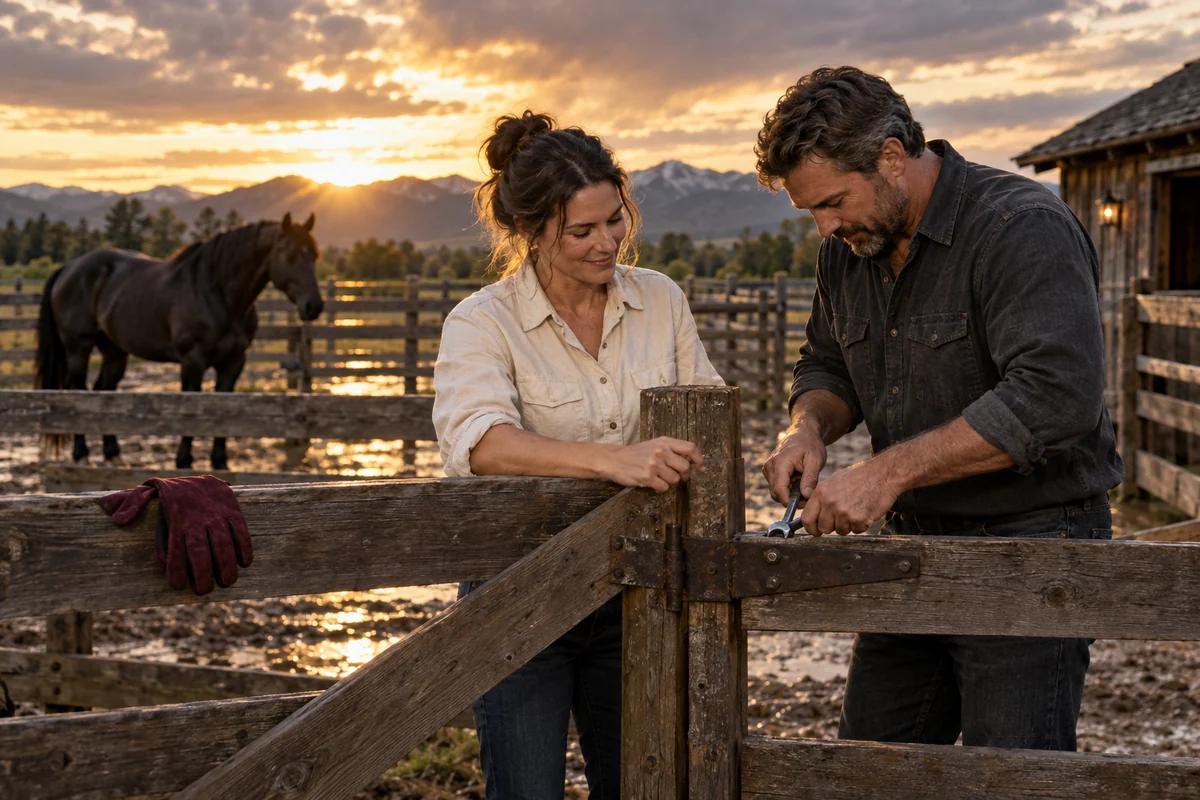
In The Rancher’s Lifeline, Dr. Sabine Vale takes a six-month Marfa contract after a difficult professional tribunal. A hospital expansion grant depends on a road across Cade Mercer’s ranch. The board asks her to persuade him, but she distrusts the administrator’s account enough to demand engineering evidence.
The book’s description places this in grumpy/sunshine cowboy romance. Sabine’s opening also makes her skepticism explicit. That is useful if you want the brighter temperament to bring professional judgment rather than simply insisting everything will work out. The contested access road gives the eventual encounter a real subject beyond changing a rancher’s mood.

From Alisson Bento’s books
A vampire romance about hate, sparks and the moment the line between them burns.
Kindle edition · Check Kindle Unlimited availability on Amazon.
A curt manner can contain assistance and boundary friction
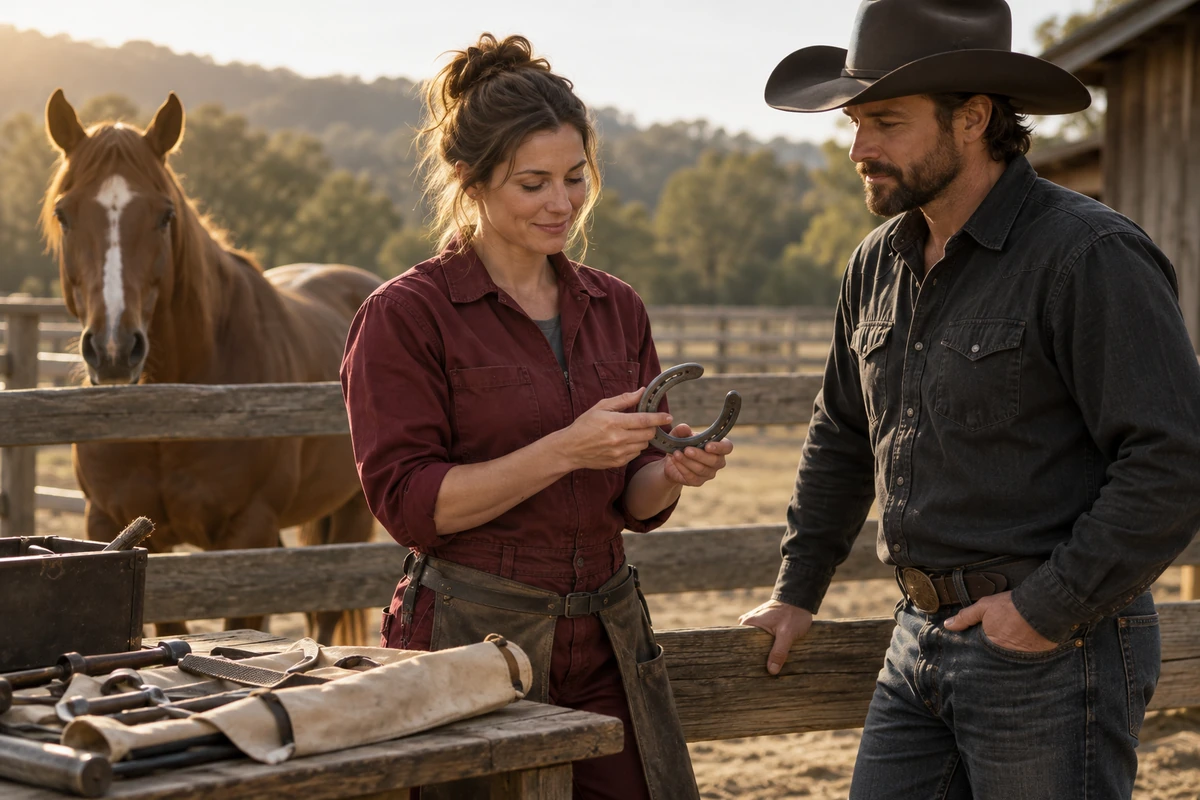
A Farrier for the Cowboy begins with Wren Calloway arriving to shoe horses and stepping into a cattle-sorting problem. Bridger Colane’s father arranged the visit, while Bridger needs more hands. Wren notices practical assistance beneath his curt welcome but objects to being managed by someone who is not her employer.
This opening lets you compare behavior instead of adjectives. Assistance has value, and disputed authority still matters. Choose it if hands-on competence and sharp boundaries appeal; its description identifies a single-parent western working relationship, not a claim that every later scene follows a particular sunshine-versus-grump pattern.
Care can keep its own voice without becoming one-sided labor
A reserved partner may help by preparing tools or taking a difficult task seriously. An expressive partner may ask a needed question or insist a plan can improve. Neither style should automatically decide who carries all emotional work. Look for whether both adults respond when the other needs something.
Read optimism as a method rather than a lack of judgment
A brighter temperament can express itself through willingness to try, confidence that a task can improve, or a habit of asking another question. None requires believing every explanation. Readers who like grumpy/sunshine without a naive heroine can look for optimism attached to evidence and action. The contrast becomes richer when she has an independent reason for hope and can still recognize an incomplete account.
Sabine’s opening gives this combination a professional setting. An Austin tribunal cleared her of negligence, but the experience left her eager to escape into a six-month Marfa contract. Her first afternoon shows competence in a trauma bay after a horse-kick injury. The subsequent land-access task therefore meets a doctor whose confidence has been damaged without erasing her ability. Readers can be interested in that complexity rather than reducing the sunshine role to perpetual cheer.
The hospital’s failing equipment and threatened expansion funding give the board’s request a practical purpose. Sabine understands the community’s need while doubting the administrator’s account enough to demand engineering evidence. Her refusal to rely entirely on that account makes the brighter side of a confirmed grumpy/sunshine framework more specific. The opening shows skepticism and medical responsibility, not how every later interaction with Cade expresses their temperaments.
Optimism can also concern the possibility of a workable arrangement rather than the belief that one side is automatically right. A heroine might think a road problem can be examined while still refusing to persuade someone through unsupported claims. If you enjoy adults solving practical disagreements, request that form of hope. It gives the eventual conversation a substantive task beyond trying to make a reserved rancher smile.
Separate reserve from reliability
A curt manner can conceal useful assistance, hostility, awkwardness, or some mixture. The reader needs conduct to distinguish them. A person who says little may still explain a crucial limit; another may use silence to avoid answering. If you enjoy a grumpy lead, decide what behavior makes the reserve appealing. A working scene often supplies better evidence than a description of the character as rugged or difficult.
Wren’s opening offers an adjacent comparison. She arrives as a farrier with tools and experience, but immediately helps with a cattle-sorting problem. Bridger needs hands and provides practical assistance beneath his unwelcoming manner. She also objects to being managed by someone who is not her employer. The opening lets useful action and boundary friction coexist, which is more nuanced than treating every curt word as hidden devotion.
That example is not a confirmed grumpy/sunshine taxonomy match. Its description identifies a single-parent western working relationship. Its relevance lies in the conduct readers can compare: capable assistance, disputed authority, and a woman who notices both. If you require the specific temperament trope, Sabine’s description supplies that confirmation while Wren’s remains a useful adjacent working-scene example.
Reserve can also change with context. A character might be direct during a task and less able to speak personally. Another may offer help readily while struggling to accept it. These are general patterns to ask about, not later facts about Cade or Bridger. Readers who enjoy emotional restraint can request a story where practical care and private disclosure move at different speeds. That is more precise than simply wanting a silent man.
Let the shared work reveal incompatible priorities
A substantive disagreement gives temperament something to do. One adult may favor speed while the other wants verification; one may prioritize a community institution while another worries about land use. The conflict can remain understandable from both sides without making every position equally supported. Readers who like competent adults should ask what the practical disagreement concerns. Banter becomes more satisfying when it arises from particular goals.
The Rancher’s Lifeline makes access to a ranch road part of a hospital funding problem. The board wants Sabine to persuade Cade before a deadline. That does not mean the description reveals every reason for his resistance. What it does confirm is the concrete matter the encounter must address. A reader can want to learn his reasoning while appreciating that Sabine has already asked for evidence instead of treating persuasion as a simple personality contest.
Wren’s visit creates another authority structure. Bridger’s father arranged the farrier work, while Bridger handles the immediate ranch demands. This distinguishes the person who brought her there from the person attempting to direct her at the scene. Readers interested in professional boundaries can follow that tension without assuming he is her employer. A powerful presence and an ability to organize a task do not automatically create a formal work relationship.
Both openings allow helpfulness to be evaluated through work. Sabine treats a patient and challenges an account relevant to the community; Wren addresses a task outside the narrow reason for her visit while objecting to unwanted management. The comparison supports competent participation without proving either later romance’s full division of emotional labor. If continuing practical respect matters to you, ask a finished reader whether these concerns remain active.
Choose how contrasting styles express care
An expressive adult may offer reassurance directly, while a reserved one prepares something useful or takes a task seriously. These styles can complement one another if both remain responsive. Readers who enjoy the contrast can ask for different forms of care rather than one person doing all the work of keeping the relationship emotionally alive. A quiet contribution becomes meaningful when it responds to an actual need.
Directness can be caring too. A difficult question may help the other person reconsider a plan; an objection may keep a misunderstanding from becoming larger. Sunshine need not mean smoothing every disagreement, and grumpy need not mean refusing every conversation. If you enjoy mutual challenge, request adults who can disagree without making one temperament the sole source of insight. That gives the contrast room to develop beyond repetitive cheerful-versus-curt exchanges.
The brighter person can have limits and bad days. The reserved person can experience amusement or initiate contact. Readers may find these variations more satisfying than fixed roles maintained in every scene. Ask whether temperament shapes behavior without determining it completely. The openings describe particular situations, while the larger range of moods remains something the book must show.
Humor also changes the experience. A sharp response can feel playful when both adults understand the exchange, or dismissive when one is trying to raise a serious concern. If you like banter, specify that meaningful disagreements should not disappear beneath jokes. If you prefer restrained tenderness, ask how much joking accompanies the work scenes. The grumpy/sunshine label can support several tones and does not tell you which one dominates.
Notice whether the relationship changes both adults
A sunshine character does not have to become responsible for making a guarded partner agreeable. The emotional development can instead involve each learning how the other communicates and what their responses mean. A reserved adult may learn to explain rather than assume; an expressive adult may learn that some silence is thought rather than rejection. These are possible arcs to ask about, not promises about the named books’ outcomes.
A practical concession can show that learning. One adult asks for evidence, and the other begins treating the question as useful; someone objects to being managed, and a later interaction gives clearer room to participate. Readers who like visible change can ask for behavior that responds to an earlier concern. That is more specific than asking whether the grumpy lead eventually softens, because it identifies what kind of adjustment matters.
The guide to grumpy/sunshine and shared care discusses the balance of emotional work. A cowboy request adds the task that makes the contrast consequential: land access, animal care, a working household, or another concrete responsibility. This gives both temperaments something to contribute and lets you choose a setting where the disagreement itself is interesting.
Ask for a spoiler-light account of the initial practical conflict, whether both adults bring relevant skill, and how much space the story gives mutual responsiveness. Keep confirmed trope examples separate from adjacent temperament comparisons. Sabine’s evidence demand and Wren’s objection provide two entrances to competent friction grounded in the descriptions, while later care, humor, and personal change remain discoveries rather than guarantees inferred from a curt welcome.
Temperament can be partly situational. A person under work pressure may speak differently from the same person in a quieter setting, so the opening’s curt exchange need not supply a permanent script. If you enjoy range within the contrast, ask whether the partners remain recognizable while showing different responses across tasks and private moments.
You can also distinguish warmth from sociability. A heroine may be hopeful and attentive without enjoying every gathering, while a reserved lead can care about the community without being easy company. These distinctions make a recommendation more precise and keep the trope from becoming a pair of rigid caricatures. Choose the contrast whose particular forms of attention appeal to you, then look for scenes where both adults respond.
Ask for “cowboy grumpy/sunshine with competent work on both sides and disagreements that remain meaningful.” Sabine’s evidence request and Wren’s boundary objection show two ways brightness or openness need not mean compliance. They also leave the larger relationship for you to discover, rather than guaranteeing that a warm personality cures grief or a curt manner always conceals devotion.
Read another angle: Morally grey cowboy romance: when rural competence carries a cost · Slow-burn cowboy romance: signs of progress beyond waiting · Grumpy sunshine romance: keep the contrast, share the care
Explore the wider romance catalogue. The catalogue groups books by genre and trope; it does not confirm every preference discussed in this guide.