Morally grey cowboy romance needs more than a stern voice, dangerous weather, or a capable man with a weapon. The moral interest comes from questionable choices and their costs. Choose by what an adult actually does, whom that action affects, and whether loyalty leaves room for accountability.
If you like a difficult ranch cast, a hostile first meeting can be appealing without proving anyone’s full moral code. An opening can set up conflict over ownership and competence while withholding larger motives. That distinction lets you enjoy tension without turning every rude introduction into evidence of villainy.
A contested deed can organize the first confrontation
In Inheriting the Cowboys, Cutter Mabry arrives at an inherited Texas ranch after another truck damages her Ford. Foreman Dax Hollowell resents her arrival and warns that legal ownership does not make her competent. Three thousand acres are hers on paper, while he has helped keep the ranch working.
The book’s description identifies it as a morally grey western reverse-harem romance. The initial confrontation, however, shows resentment and competing kinds of authority. It does not identify Dax as the person who forced her off the road or explain every reason behind his hostility. The gap is a question to follow, not a fact to supply.
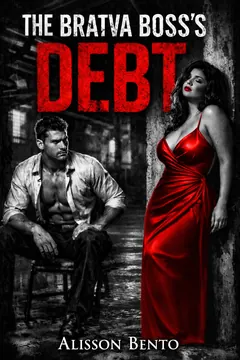
From Alisson Bento’s books
A mafia romance about a curvy heroine worshipped exactly as she is.
Kindle edition · Check Kindle Unlimited availability on Amazon.
An emergency can reveal cooperation without erasing hostility
Storm damage panics a stallion and breaks its gate. Cutter enters the escape route and helps Dax contain the animal before she has unpacked. Her practical action changes the first meeting: she is no longer only a person holding a deed, and he is no longer only a voice challenging it.
Choose this opening if you enjoy competence becoming the contested currency of respect. The rescue shows cooperation during danger; it does not absolve earlier contempt or prove that future methods are justified. A useful reading pleasure lies in watching whether a shared task changes the assumptions adults make about each other afterward.
Look for who pays for the ranch’s version of loyalty
Ranch loyalty can concern animals, workers, family history, and ownership. Those commitments might conflict, making a difficult choice more substantial than a general reputation for toughness. Ask which person or interest is sacrificed when a character insists they are protecting the property.
Separate tone, reputation, and conduct
A hostile introduction tells you how a character treats someone in that moment. A reputation tells you how other people interpret them. A morally consequential act tells you something about a choice and its effects. These sources can support different readings. If you want moral ambiguity, look for conduct that creates a difficult question rather than treating a curt manner as sufficient. If you mainly enjoy difficult temperament, a hostile welcome may satisfy a different preference.
Inheriting the Cowboys is explicitly identified as morally grey western reverse harem in its description. That sets up the framework. The opening itself, however, shows a contested arrival and an emergency rather than a full catalogue of later questionable choices. Keep the label separate from what the opening specifically shows. A reader can choose to investigate that framework while recognizing that the opening does not yet explain the larger moral conflict.
The truck that forces Cutter off the road is a particularly important boundary. The description confirms the damaged Ford and the subsequent hostile welcome, but does not identify Dax as the driver responsible. Placing events next to each other does not prove that one character caused both. Readers who enjoy suspected sabotage can keep the question open; a recommendation should not turn an unassigned act into a confirmed accusation.
Dax’s warning about competence is conduct of another kind, and the description does confirm it. It challenges Cutter’s authority as a new owner before he has seen much of what she can do. That can make him an abrasive figure and create a practical dispute without proving every aspect of his morality. If you prefer complex judgment, ask how the story develops the consequences of that first assumption rather than demanding that a single line define the whole character.
Read ownership and stewardship as competing claims
A deed can give the heroine a formal position while workers bring experience of keeping the property running. These claims are different, and the story can make both relevant. The conflict becomes morally interesting when one adult uses their contribution to dismiss another’s personhood or when ownership is exercised without regard for people affected. Those are general possibilities to ask about, not later acts confirmed in Cutter’s story.
The opening makes the practical imbalance visible: three thousand acres are Cutter’s on paper, while the foreman has helped maintain the ranch. He resents the arriving heir and presents competence as the standard she has not yet met. Readers interested in stewardship can be curious about his investment in the place while still noticing how his welcome limits what he is willing to learn. Understanding a motive and endorsing its expression are separate acts of reading.
Cutter’s situation also combines authority with vulnerability. She arrives with a damaged vehicle and enters a working world whose people do not automatically recognize her claim as sufficient. The deed matters, but it does not supply local knowledge or immediate cooperation. Readers who enjoy an owner learning a property can ask whether the story gives her practical decisions rather than only humiliation. The opening shows a contentious first encounter, not the final distribution of power.
A rural loyalty story can become more specific when it identifies who benefits from a decision. Protecting the ranch may mean protecting animals, employees, a family name, or an asset’s value. Those interests can conflict. If you want moral ambiguity, ask what a character sacrifices while claiming loyalty. A broad declaration that the property comes first is less revealing than a choice with visible consequences for somebody else.
Use the emergency to examine cooperation
The storm-panicked stallion interrupts the argument and creates an immediate shared task. Cutter steps into the escape route and helps Dax secure the pen before she has unpacked. This action, grounded in the description, gives her competence a visible form and changes what they have seen of each other. It does not show that the earlier conflict has disappeared. Readers who like respect earned through action can follow how the next conversation responds to the task.
Cooperation during an emergency can be genuine while leaving the relationship unsettled. Two adults might understand what needs doing without agreeing about who should govern the ranch afterward. The same scene can reveal useful knowledge and continued resentment. If you enjoy this friction, request practical collaboration that does not instantly dissolve the conflict. If you prefer a reassuring change after the first task, ask whether the story moves more quickly toward mutual recognition.
A risk taken by the heroine can also be read in more than one way. The opening shows that Cutter acts at personal risk, not that every future risk is necessary or wise. Her immediate willingness to help gives Dax evidence beyond his assumption about an heir. The interesting question is whether that evidence changes his judgment. Readers seeking a capable heroine can ask for her actions to have consequences for how others respond, rather than only supplying spectacle.
The animals and property make the scene distinctly rural. The emergency grows out of storm damage and a broken gate, with practical action required in the pen. A morally grey cowboy romance can use this working environment to test priorities without relying solely on weapons or criminal reputation. If you enjoy land and animal responsibilities as part of the conflict, ask whether they remain consequential later. The opening supplies a concrete example but not the full balance.
Choose the moral questions you want the romance to keep
Some readers enjoy a character whose loyalty is admirable in purpose and troubling in method. Others want a protagonist who must decide whether the loyalty itself excludes the wrong people. These are different sources of ambiguity. Ask whether the conflict concerns means, allegiance, or personal treatment. That helps distinguish questionable conduct from a generally dark atmosphere and identifies what you want the relationship to challenge.
Consequences can be material, relational, or both. A questionable choice may damage a resource, break trust, or change how another person can act. Readers who want visible cost can ask whether the book follows those effects rather than merely calling the character dangerous. You need not learn which decision causes the cost. A finished reader can describe whether the story takes consequences seriously while preserving the major events.
Attraction can coexist with disagreement about conduct. The heroine may value a person’s skill while objecting to a method or claim. Readers who enjoy this tension often want her objections to remain understandable after desire grows. If you prefer a more indulgent moral fantasy, you may want the romance to spend less time on accountability. Specify that reading mood rather than assuming the morally grey label has one required emotional response.
In a group romance, moral positions can differ among partners. One might defend a disputed choice while another questions it. Another may have acted under different information. These are potential structures to ask about, not later roles confirmed for the named cast. They show why several relationships can make a moral conflict more nuanced. If you want distinct partners, ask whether their commitments and methods differ beyond surface temperament.
Distinguish explanation from resolution
Learning why someone acted can deepen understanding without settling the heroine’s reaction. A difficult past, a threatened livelihood, or devotion to the ranch may explain a decision while leaving its cost real. Readers who enjoy reflective ambiguity can request that separation. Readers who want a clearer redemption arc should ask whether conduct changes as well as motives becoming known. The opening does not confirm the final moral direction, so keep the request about the development you want.
The comparison of morally grey and villainous leads considers choices and roles. In a cowboy setting, add the interests defended under rural loyalty and the people who bear its cost. This keeps practical skill from functioning as automatic justification. Being able to handle a crisis can be appealing while the treatment of another adult remains a separate question.
A spoiler-light recommendation can identify the kinds of questionable choices, whether their effects receive attention, and how the heroine’s judgment participates in the conflict. It need not reveal the ending or explain every motive. For Inheriting the Cowboys, the opening offers contested ownership, a hostile foreman, and dangerous cooperation around a stallion. The later moral acts remain something to check rather than supply from inference.
Choose the tension you actually want to follow: respect challenged by practical evidence, loyalty with difficult costs, or attraction that does not erase disagreement. Then ask for the particular moral mechanics beyond the genre label. A rural setting becomes more than atmosphere when the work and land give those choices visible stakes, while the relationship shows what each adult is prepared to question or defend.
Also consider whether moral ambiguity belongs to one adult or to the working household more broadly. A single difficult foreman and a group with competing loyalties produce different relationship pressures. Ask about that distribution without inferring that every person on the ranch shares the same methods or motives. The opening’s collective framework does not show one uniform moral position.
For a sharper recommendation, request “morally grey cowboy romance where questionable actions have visible consequences, alongside a capable heroine.” Cutter’s opening offers contested ownership, foreman resentment, and a dangerous cooperative task. It gives a grounded entrance into that labelled premise while leaving the larger moral choices to the book itself. Follow decisions and consequences rather than treating rural expertise as automatic permission.
Read another angle: Debt-bargain cowboy romance: land money and a place to stay · Grumpy/sunshine cowboy romance: temperament during shared work · Morally grey hero vs villain romance: choices, roles, and consequences
Explore the wider romance catalogue. The catalogue groups books by genre and trope; it does not confirm every preference discussed in this guide.