By mid-October the evenings in the northern hemisphere are closing in noticeably earlier, and for plenty of readers the shorter days bring a pull towards moodier fiction. Dark romance, with its tense bargains, high stakes and morally complicated heroes, suits that shift well. This guide explains why autumn is such a natural season for darker fiction and offers a practical way to choose a book whose intensity matches the mood you want.
Why shorter days suit darker fiction
Reading habits change with the light. In summer a novel competes with the garden, the beach and long walks, so a gentle story can slip into a busy life without much effort. In autumn the picture changes. By the time dinner is finished the window has become a mirror, and the sofa is the obvious place to spend an hour. A story with a little more weight feels less like hard work in those conditions and more like a reason to stay in.
Dark romance rewards that kind of attention. Its tension is built from secrets, debts, rival loyalties and choices that cost something real. A reader who settles down with a lamp switched on is usually ready to follow a plot that keeps them guessing, and that is what the subgenre tends to offer. The darkness is part of the pleasure rather than a warning sign, provided you know which kind of darkness you are choosing.
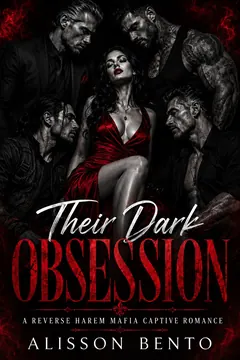
From Alisson Bento’s books
A mafia romance about a captive bargain that turns into the only place she wants to be.
Kindle edition · Check Kindle Unlimited availability on Amazon.
Atmosphere and tension make the season
Autumn settings suit suspense almost too well. Rain on glass, a warehouse lit by a single bulb, a library closed for the evening: these images make a story feel close and claustrophobic. Dark romance borrows those textures and turns them into pressure. A conversation held in a dim room carries more weight when the reader can picture the wet street outside and the silence around the two people talking.
Atmosphere works best when it is doing a job. Look for books where the setting shapes the plot rather than decorating it. A sealed vault, a waterfront at night or a hidden archive can each make the characters’ choices harder, because the place limits what they can do. When you read a description, ask whether the setting is a source of danger or simply a backdrop. The first kind rewards an autumn evening; the second may feel thin, however moody the cover looks.
Reading indoors also changes how much you notice. A book read on a crowded train is a series of interruptions. The same book read at a kitchen table after dark can hold your attention for an entire chapter, and small details such as a locked door or an unanswered message begin to matter more. That is one reason autumn suits stories in which the characters watch one another closely.
Matching intensity to your mood
Darkness comes in degrees, and the right level depends on what you want from the evening. Some readers want an ominous opening that slowly turns into tenderness. Others want a fast crime plot with a romance running through it. Some prefer stories in which the danger is mostly financial or political, and the physical threat stays in the background. Each of these is dark romance, but they feel very different to read, and a mismatch between expectation and reality can lead to disappointment.
A useful way to decide is to separate three questions. How threatening is the world the characters live in? How often are they physically in danger? How much does the romance depend on that danger? A book can score high on the first question and low on the second, which suits readers who like a sense of menace without constant action. Read the blurb and the opening pages with these questions in mind, and you will usually know quickly whether a story fits the evening you have planned.
Pay attention to the verbs in a blurb. Words such as bargain, negotiate, investigate or authenticate point to a story driven by thought and tension. Words such as hunt, escape or fight suggest a story driven by action. Neither is better. They simply tell you what kind of pressure the book will apply, and that is more useful than the cover art alone.
Three autumn picks and what each one offers
If you want a story built around a financial trap and a heroine whose professional skill matters, Men of the Underworld is one of Alisson Bento’s novels to consider. Oona authenticates stolen antiquities to pay a debt her father left behind, and a search for concealed property records pulls her into a bargain with three dangerous men. It is a standalone dark crime reverse harem, and its tension comes from negotiation and paperwork as much as from the men themselves.
For a different kind of opening, Corrupted by the Don begins with an infiltration. Maren Dubois enters a building under a false identity, carrying a carefully prepared portfolio and a personal motive: she believes the man beneath the building put her brother Toby’s car into the South Branch. Her cover is more fragile than she knows, and the question of what each person already knows about the other keeps the scene taut. It is a standalone mafia thriller romance for readers who like suspense with a sharp edge.
Finally, Watch Me suits readers who like suspense built from ordinary routines. Silas Vaughn has just finished commissioning an apartment building’s surveillance system, but he keeps a camera trained on the hallway of one tenant, Nora. The tension grows from small domestic details: a woman who checks her locks with care, a laundry-room bulb that needs replacing, and a conversation in which she asks direct questions about where the cameras look. It is a standalone dark romantic suspense with a stalker premise, so check its content notes first; the unease comes from a man noticing far more than his job requires.
Content notes come before the first chapter
Dark romance is not one thing, and a moody autumn read is not automatically a safe one for every reader. Before you start, check the content notes. Many dark romances include captivity, coercion, violence, criminal threats or abuse, and these may sit at the centre of the plot rather than at its edges. Where a book provides content notes, read them before the first chapter; where it does not, the blurb and a sample will tell you a good deal. Some readers also keep a short list of their own limits. Knowing those limits in advance makes it far easier to enjoy the story you chose.
Also check whether a book is a standalone or part of a series, and whether it is a single-hero romance or a why-choose story (often shelved as reverse harem), in which the heroine does not have to pick one partner. These labels describe how a story is built, and they often matter more than heat level when you are deciding how dark an evening should be. The checklist in Dark romance content warnings without major spoilers: a practical reading check works well for any blurb, and Dark romance vs romantic suspense: follow the source of danger explains how to tell a dark romance from a romantic suspense by following the source of danger.
A simple autumn reading plan
If you are planning a few weeks of darker reading, a balanced selection will serve you better than a single intense book. Three kinds of title make a useful set:
- One standalone with a clear premise, to test how the tone feels on a weeknight.
- One story where the romance is the main thread rather than a side plot, for when you want the emotional pull first.
- One book with a setting you find atmospheric, so the season does some of the work for you.
Read them in whatever order suits you, but start with the standalone. It gives you a fair measure of how an author handles danger, secrecy and attraction, and it shows you quickly whether the mood you want is the mood on the page. If the first book fits, the rest of the stack will be easier to choose.
Making the most of long evenings
Reading well in autumn is partly about conditions. A reading lamp rather than the overhead light, a blanket, a drink you can finish while the chapter runs on, and a stopping point planned before you begin will all help. Dark romance often rewards long sessions because its suspense accumulates. Stopping at the end of a scene rather than in the middle of a confrontation can make the next evening more pleasant, and it keeps tension from spilling into your sleep.
It also helps to decide in advance what the evening is for. If you want to be frightened, choose a book with an ominous premise and read it early, while you are still alert. If you want to relax into a story, choose one with a clearer structure and a warmer relationship at its heart. Matching the book to the time of day is a small step, and it makes a dark story far more likely to feel like a pleasure than an ordeal.
Reading the sample before you commit
Most ebook stores offer a free sample, and an autumn choice is a good moment to use it. Read the first chapter with a specific question in mind. Does the opening place the characters in a clear situation, or does it leave you unsure where you are? Does the threat appear early, and does it feel connected to the people involved? If the answer to both questions is yes, the book is probably offering the tension you came for. If the sample feels vague or leans on a shock that the author has not earned, the full book may not satisfy you.
Pay attention to the way the sample treats its characters, too. Dark romance can be intense without being careless, and a well-written opening gives each person a reason to act. Notice whether the heroine has choices of her own, even when the situation is unfair. A story in which she makes decisions is usually more absorbing over a long evening than one in which events simply happen to her, and that difference is often visible within a few pages.
Quick answers
Do I have to read dark romance only in autumn?
No. The season is simply a good excuse. Dark romance works at any time of year, but the longer evenings make it easier to give a demanding story your full attention. Choose the book by its tension and content notes rather than by the calendar.
How do I know whether a book is too intense for me?
Start with the content notes, then read the first chapter as a sample. Notice whether the threat is financial, political or physical, and how often each appears. If the blurb promises a level of danger you already find difficult, skip it. A book you put down halfway through is no reward for a long autumn night.
What should I read first if I am new to darker romance?
Pick a standalone with a clear premise and a setting you can picture. Avoid starting with the most intense title on your list, and leave long series until you know how the author handles danger. A short, well-defined story lets you judge the tone quickly. Once you know what you enjoy, you can move towards darker stories with more confidence.