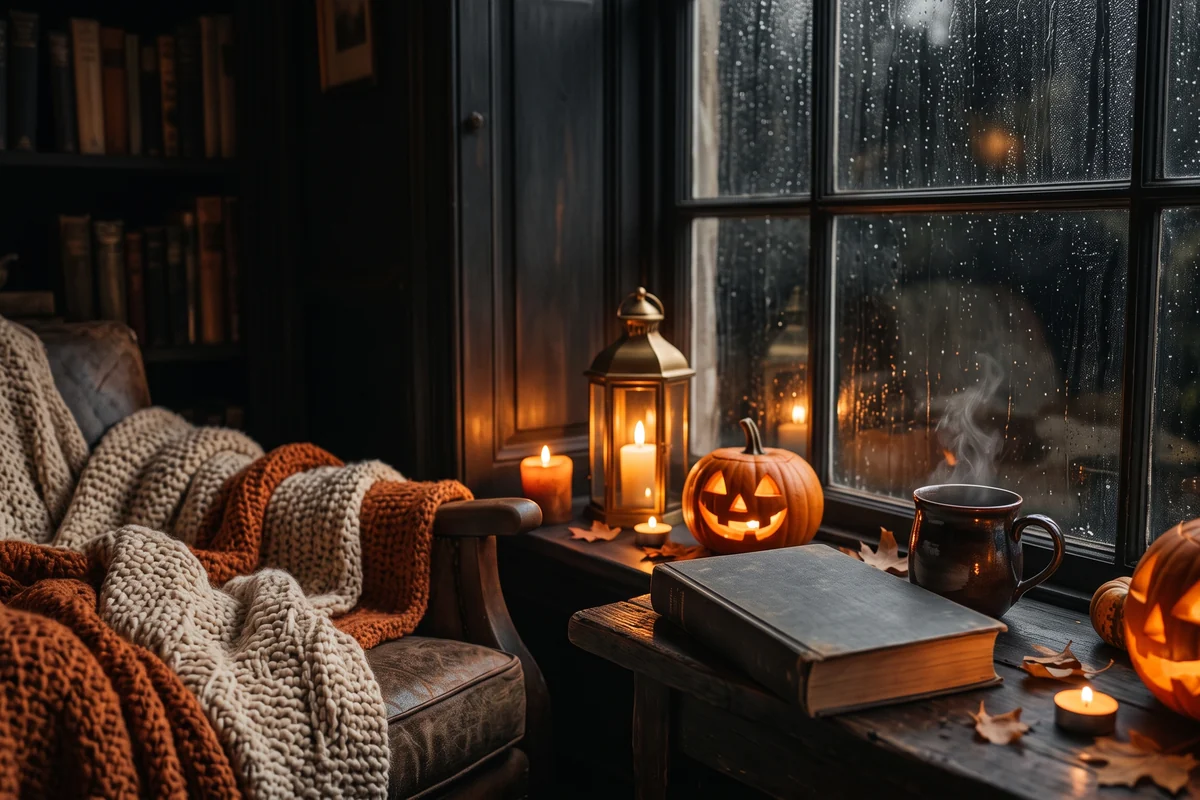
October is the month when readers go looking for spooky reading lists, and Halloween on 31 October gives those lists a fixed point. The best seasonal romance is not always the most frightening, though. Some readers want a slow, eerie atmosphere, others want a supernatural hero, and others want a cosy story with a touch of the uncanny. This guide offers a mood menu so you can match the atmosphere, the supernatural elements and the level of heat and darkness before you choose.
Start with the mood, not the monster
Many readers begin a seasonal search by asking for a monster, but a monster is only one ingredient. What usually matters more is the feeling the book leaves you with: unease, anticipation, tenderness, or a sense that something old is waiting in the next room. Start by naming the feeling you want, then look for the creature or setting that produces it. A ghost story and a vampire romance can both be eerie, yet they create dread in very different ways.
Halloween has older roots than the sweets and costumes of the modern season. It grew from All Hallows’ Eve, the night before All Saints’ Day in the Christian calendar, and it carries echoes of the Gaelic festival of Samhain. Those traditions are rich, and many writers draw on them. When you read folklore-inspired romance, it is worth remembering that these stories come from real customs and beliefs, and that the best books treat them with care rather than as a costume.
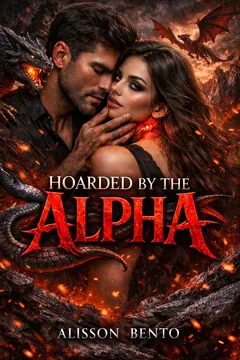
Kindle edition · Check Kindle Unlimited availability on Amazon.
Eerie atmosphere: rain, fog and the sense of being watched
Eerie romance depends on atmosphere more than on spectacle. Rain on windows, streets that empty after dark, and a character who keeps noticing small wrong details can build more tension than a large battle. If that is what you want, look for stories where weather and setting are part of the threat. A city in the rain can be a place where people disappear, and a remote house can make every decision feel exposed.
Rainbound Omega is a good example of atmosphere shaping the plot. Corisande has survived by hiding her scent, changing addresses and refusing any promise of safety that comes with a locked door. Rain in Seattle strips away that concealment just as her heat begins earlier than expected. Three men, Garrick, Valerian and Declan, close around her beneath the city, while registry hunters and another watcher pose a threat outside. They offer a warded estate, but they have also blocked her exits, so the eerie quality comes from Corisande weighing whether an offer of shelter is help or a trap.
Read the opening for what the weather does to the characters. Rain that slows an escape, or a cold room that makes an offer harder to trust, tells you that the setting is working with the story rather than behind it. When the mood is built from these practical details, it lingers long after the chapter ends, which is exactly what a long October evening calls for.
Supernatural heroes and the pleasure of the unknown
A supernatural hero brings a second kind of tension: the reader is never quite sure what he is capable of, or what he wants. Is his protection genuine? Does he know more than he says? In a supernatural romance the answer is often tied to his nature, so the uncertainty becomes part of the attraction rather than a distraction from it. If you want a fantasy setting with courts, magic and romance in balance, Romantasy vs fantasy romance: choose the balance you want compares romantasy with fantasy romance.
Four to Claim Her takes that approach to a sharp edge. Zara Voss-Nkemdi is transported, bound, through midnight New Orleans to a criminal compound governed by four lords. Her inherited compass reacts violently to disturbances in the Veil as the car approaches the bayou estate, and then falls impossibly still once she is inside. The book is a standalone dark urban fantasy fated-mates why-choose romance with a captivity opening, and its fascination lies in a captive whose careful observations suggest that her captors’ stated purpose is incomplete.
The supernatural hero works best when the story lets the reader see him through the heroine’s judgement. Watch for scenes in which she tests his claims, asks for proof or refuses to be rushed. Those moments give you the uneasy pleasure of wondering what he will do next, while keeping her choices at the centre of the story.
Gothic suspense and the questions a house asks
Gothic romance asks the reader to be uneasy about a place before anyone explains why. The house is grand, the household is polite and the information is incomplete. Readers who enjoy that slow, probing unease tend to like stories in which the protagonist is a professional observer, because the reader learns to read the house alongside her. A patient narrator who notices what others omit turns the setting itself into a puzzle.
Her Four Vampires fits that pattern. Mireille Dubois, a physician, accepts a royal summons to Valerius Estate because the payment could settle her sister’s debts. The letter describes rapid deterioration among the household but names no illness and offers no departure arrangements. After hours across foggy moorland, her driver leaves her at the isolated property, and the gates close behind her without visible help. The book is a standalone paranormal Gothic reverse harem romance, and its suspense comes from a doctor applying clinical habits to a house that will not explain itself.
If Gothic atmosphere is your priority, pay attention to the household rules. Locked rooms, unexplained absences and servants who answer questions with other questions are classic signals. A good Gothic romance uses them to build a sense of withheld truth, and the most satisfying books let the reader feel that the house is hiding something before the characters admit it.
Gothic suspense also rewards a heroine with a method. A habit of comparing what she has been told with what she has seen, or of checking facts against a written instruction, gives the reader a clear way to follow the mystery. When the heroine’s method is as much a part of the story as the house, the spooky details feel earned rather than decorative.
Cosy-spooky: lighter stakes and warmer company
Not every October reader wants a house that makes the hairs on their arms stand up. Cosy-spooky stories keep the supernatural elements but lower the temperature. The danger is real but contained, the characters are warm company, and the tone leans towards comfort rather than dread. For these readers the useful question is how much darkness they want on the page. A story can have a ghost, a curse or a magical rule without making every scene feel threatening.
Look at the blurb for the proportion. If the description spends most of its words on secrets, violence and pursuit, the book is likely to be intense. If it spends them on a town, a set of friends or a magical craft, the spooky elements may be seasoning rather than the main course. Neither approach is better. The point is to choose the proportion that will let you relax, and to remember that a seasonal label is a guide rather than a promise.
Matching heat and darkness to the evening
Seasonal reading lists often mix spooky atmosphere with romantic heat, and the two do not always move together. A book can be eerie and still open-door, or eerie and almost entirely about the chase. Before you commit, decide how much romantic intimacy you want alongside the supernatural. The comparison in Slow burn vs low spice: choose the tension you want explains how a slow burn differs from low spice, which can help you choose the tension level that suits the evening.
Content notes matter just as much in October as at any other time. Supernatural romance can include captivity, coercion, violence or possessive heroes, and some books combine several of these. Check the notes before you begin, and remember that a spooky setting does not automatically signal a gentle story. A strong mood can make dark themes feel heavier, so it is wise to know your limits in advance.
A simple test helps. Ask yourself whether you want to feel uneasy while you read, or whether you want the unease to stay in the background. Your answer will point you towards eerie atmosphere, a supernatural hero or a gentler cosy-spooky story, and it will also tell you how much darkness belongs in the evening’s plan.
Building a seasonal shelf by mood
If you plan to read more than one seasonal romance, it helps to build a small shelf rather than a single pick. A balanced October might include one book for each mood on this menu, arranged so the intensity rises gradually across the month. Starting with a cosy-spooky story lets you settle into the season, and an eerie or Gothic title can follow once you know how comfortable you are with the tone.
- Early in the month: a gentler supernatural story with a clear, contained premise.
- Midway: an eerie or atmospheric book, where the setting carries most of the tension.
- Late October: a Gothic or supernatural hero story, for readers ready for more uncertainty.
The order matters less than the reason for it. A shelf organised by mood gives you a choice on any given evening, and it stops you from spending a dark week on a book that was meant to be a treat. Keep a note of which tones you enjoyed, so next year’s list starts from what you already know works for you.
A seasonal shelf also helps with content notes. When you read several books in a short period, it is easy to forget which one contained which theme. Write down the notes for each title as you go, and you will be able to choose the next book knowing exactly how much intensity you have already had that week.
Quick answers
Which subgenre is best for a Halloween-month read?
There is no single answer. Eerie atmosphere suits readers who enjoy rain, shadows and slow dread. Gothic suspense suits readers who like puzzling houses and careful observers. Supernatural heroes suit readers who enjoy uncertainty about a love interest’s nature. Pick the feeling first, then the subgenre.
Do seasonal romances have to be dark?
No. A spooky setting can sit alongside a gentle tone, a light touch of the uncanny or a plot that is mostly about friendship and family. Read the blurb for the proportion of threat to warmth, and treat the seasonal label as a guide rather than a rule.
How can I avoid stories that are too intense?
Check the content notes and read a sample before you buy. Look for a balance of tension and tenderness that matches how you want to feel. If you are unsure, start with a story that has a clear, contained premise, and move towards bleaker books once you know how the author handles danger.