
Slow burn describes how gradually a romance develops. Low spice describes how little explicit sexual detail appears on the page. A book can offer either, both, or neither. Separate the wait from the detail, and you can choose the kind of tension you actually want.
That distinction sounds small until you open a book expecting lingering glances and discover an early relationship with almost no physical description. Or you settle in for a restrained courtship, only to find that the eventual payoff is explicit. Neither book has necessarily mislabeled its romance: the two labels were answering different questions.
Slow burn vs low spice: two settings, not one scale
Think of your next read as having two independent settings. One controls the timing of relationship milestones: attraction, trust, a first kiss, a confession, or a decision to commit. The other controls what the narrative depicts when adults become physically intimate. Turning one down does not automatically turn down the other.
A slow burn often stretches anticipation across a substantial part of the story, but readers disagree about which milestone matters most. Someone waiting for a first kiss may call a book fast. Someone waiting for emotional vulnerability may find the same book deliciously slow. Neither response establishes a universal chapter or page threshold.
Low spice is also shorthand rather than a precise content guarantee. It commonly suggests little explicit detail, yet one reviewer may mean a small number of scenes while another means scenes with restrained description. If detail is your main boundary, ask about detail directly. A late encounter can still be explicit, even if it is the only one.
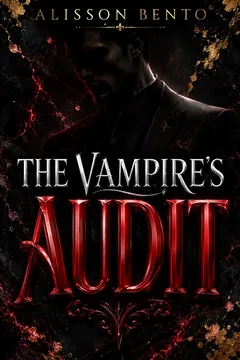
From Alisson Bento’s books
Slow Burn
A vampire romance about a slow burn that makes every touch count.
Kindle edition · Check Kindle Unlimited availability on Amazon.
What exactly are you willing to wait for?
Attraction can arrive before trust
Can instant attraction still belong in a slow-burn romance? Yes. Adults can notice each other immediately while taking a long time to feel safe, understand their differences, or act on the attraction. An early spark describes recognition; an earned relationship requires choices. If you dislike immediate attraction itself, request that specifically instead of assuming slow burn excludes it.
For example, two invented adult architects might admire each other’s competence during their first argument. They still distrust each other’s priorities. Their awareness is immediate, but shared responsibility gradually changes their opinion. A late first kiss would be one milestone; choosing to rely on each other would be another.
A first kiss is not the whole relationship
Some books make you wait for physical contact. Others let the characters kiss early but delay the admission that the connection matters. Which feels slower depends on your reading appetite. If your favorite pleasure is wondering whether attraction is mutual, an early kiss may remove the question you wanted to savor.
If you prefer watching guarded people become emotionally honest, that same kiss may begin the interesting part. Ask whether the buildup concerns affection, sexual intimacy, or commitment. This wording helps a recommender find your version of anticipation without arguing over whose definition of slow burn wins.
Time on the calendar differs from time on the page
Do the characters have to know each other for months? No fixed duration defines the trope. A story can cover a short, intense assignment and show many meaningful interactions. Another can skip across years while offering only a few scenes together. You experience the development through what the book shows, not just the dates it mentions.
Four combinations that make the difference visible
The following are invented adult romance examples, not descriptions of real books. Each combines relationship timing and on-page detail differently. Use them to identify a preference, not to assign a rating to a title you have not read.
- Slow burn with low spice: Rival translators work through disagreements, gradually offer personal trust, and finally acknowledge their feelings. Physical intimacy remains off the page. The reward is accumulated emotional closeness with limited sexual description.
- Slow burn with explicit intimacy: Two adult expedition coordinators resist their attraction while learning to cooperate. They finally act on it late in the story, and the narrative depicts the encounter explicitly. A long wait does not reduce the eventual detail.
- Faster romance with low spice: Adults meeting through a community project enjoy an early date and quickly agree to see each other. The story explores how they fit into one another’s lives while leaving sexual activity off the page.
- Faster romance with explicit intimacy: Adult neighbors acknowledge their attraction early, and intimate scenes appear on the page. The relationship conflict may concern compatibility, honesty, or commitment after physical closeness begins.
There is no obligatory best corner. You might want the first combination on a quiet evening and the second when you crave a prolonged buildup with a detailed payoff. A useful preference describes the experience you want today; it does not need to become a permanent declaration about your taste.
Does slow burn mean a slow-moving book?
No. Relationship pace and overall plot pace can move differently. A romance may include deadlines, travel, rivalry, or danger while its adults remain reluctant to name their feelings. Events race ahead; emotional defenses hold. Conversely, a low-stakes story can move leisurely even when its couple gets together early.
To distinguish a satisfying wait from a wait you find frustrating, look for change. After a shared problem, do the characters see each other differently? Does a private conversation increase trust? Does an interrupted confession alter their behavior afterward? Meaningful progression can keep a delayed relationship alive without moving every milestone forward at once.
Repeated avoidance may be part of a story’s design, but you do not have to enjoy it. If endless almost-moments wear you out, describe your preference as gradual development with visible progress. That tells a recommender more than asking for a romance that is slow but not too slow.
A further question helps: do you want substantial time with the characters as an established couple? A very late union may leave little room for that. You can love anticipation and still prefer a payoff early enough to watch the partnership function.
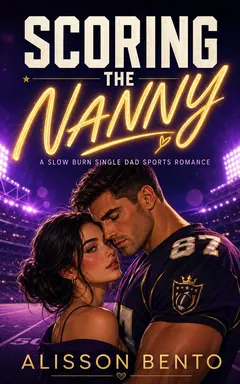
From Alisson Bento’s books
Slow Burn
A sports romance about a single dad who never planned to fall again.
Kindle edition · Check Kindle Unlimited availability on Amazon.
Can low-spice romance still feel intensely romantic?
Absolutely. Explicit description is one way to portray intimacy, not the only way. The narrative can make a small gesture meaningful because the reader knows what it costs. An adult who hates accepting help might finally ask a love interest to stay. Someone who deflects every personal question might volunteer an honest answer.
In an invented example, an adult musician remembers that a colleague struggles with crowded celebrations. At a party, they offer a quiet place to sit and let the colleague choose. The romantic charge comes from attention, understanding, and the risk of making care visible. It does not require sexual detail.
But low spice does not promise nonstop tenderness or minimal angst. A book can be emotionally turbulent, sharply funny, or full of conflict while keeping intimacy private. If you want gentle emotional stakes as well as limited detail, ask for both. Otherwise the heat label may match while the overall mood does not.
For the separate distinction between off-page intimacy and a scene cutting away, see closed door vs fade to black. That guide helps when your question concerns what is shown rather than how long the relationship takes.
What a blurb, sample, and content note can tell you
A blurb may suggest gradual development through phrases about reluctant trust, long-standing rivalry, or feelings the characters refuse to acknowledge. Those clues establish a premise, not a reliable schedule. Enemies to lovers can move quickly; friends to lovers can involve years of familiarity followed by a swift romantic decision.
A sample is more useful for testing how the attraction is written. Notice whether characters observe each other’s choices, interact often, and have interests beyond appearance. You can also judge whether the narrative voice makes anticipation enjoyable. An opening sample cannot confirm the amount of detail in an encounter much later in the book.
Author heat notes or a review with concrete descriptions can fill that gap. Prefer statements such as sexual activity is off page or one later scene has explicit description over an unexplained pepper count. Heptagon Books’ guide to identifying slow burn also treats pace and spice as separate checks; the useful habit is verifying both instead of treating one label as evidence for the other.
A request for detail need not demand spoilers. Ask when the relationship develops in broad terms, whether physical intimacy is described explicitly, and whether the buildup lasts across one book or several. Those answers usually matter more than the exact page of the first kiss.
Neither label settles the ending or other boundaries
Does slow burn guarantee a happy ending? No. It describes development, not the final resolution. A love story may delay intimacy and still end sadly or leave the central relationship unresolved. If an optimistic ending matters, look for a separate ending note and check whether the volume completes the relationship.
Similarly, low spice does not automatically exclude strong language, violence, grief, coercive fictional dynamics, or other difficult themes. The adults may never have an explicit scene while the surrounding story remains heavy. Read topic-specific content notes for your own boundaries instead of treating a heat description as an all-purpose content filter.
These are separate decisions, and keeping them separate makes your search easier. Our HEA vs HFN guide explains the degree of romantic closure those ending labels commonly describe. You can choose a long wait, limited detail, and strong closure together without expecting any single phrase to promise all three.
Build a request that gets the tension you want
Start with one sentence about timing and one about detail. For example: I want adult characters whose trust develops gradually, with a late first kiss, and sexual activity kept off page. That is clearer than asking for something slow and sweet, because sweet might describe tone while slow might describe plot.
Or try: I enjoy immediate attraction, but I want commitment to take work; explicit scenes are welcome after the buildup. This makes room for an early spark without inviting a relationship that feels fully settled before the characters know each other.
Then add only the preferences that matter most: an optimistic ending, a single-book romantic arc, or a lighter emotional mood. Too many optional details can obscure your actual must-have. The key is choosing what creates pleasure for you: the wait, the private door, the eventual payoff, or a particular combination. Once you can name that, the next recommendation has a much better chance of meeting your reading mood.