
If you are in a romance reading slump, choose your next book by the experience you want now: pace, emotional weight, setting, and relationship dynamic. Build a small mood menu with three possible combinations, then sample one. You do not need to find your next all-time favorite, finish every promising opening, or change your whole taste at once.
This is a practical preference exercise. It cannot promise to cure a slump, and it does not explain why reading feels difficult for you. Its purpose is narrower: make the next choice easier to recognize and easier to change. “What might interest me tonight?” is a kinder, more useful invitation than “Which book will make me love reading again?”
What is not working about your current choices?
Begin with a description of the reading experience, not a verdict about yourself. Are you choosing descriptions that all sound alike? Do the openings require more attention than you want to give? Are you chasing the exact feeling of a book you recently loved? Each observation suggests a different adjustment.
If every new romance feels too familiar, introduce one fresh ingredient. If unfamiliar worlds feel like work, keep the setting familiar and change the relationship dynamic. If a strong previous read is becoming the standard that everything must beat, choose a different kind of pleasure rather than another apparent replica.
You might also have no desire to read tonight. That answer belongs on the menu. This exercise is not a requirement to keep turning pages. A pause, an old favorite, or a different kind of story can be an appropriate choice without proving anything about your loyalty to romance.
Use ordinary language: “I want less explanation,” “I want more banter,” or “I want characters with a clear shared task.” Those observations are actionable. “Nothing is good enough” offers much less help when you are trying to pick the next sample.

From Alisson Bento’s books
Vampire
A vampire romance about a captive bargain that turns into the only place she wants to be.
Kindle edition · Check Kindle Unlimited availability on Amazon.
Build your romance mood menu from four choices
Choose a broad preference for each category. These are flexible signals, not a checklist a book must satisfy perfectly. You can leave one blank if you do not care about it today.
Pace: what kind of movement sounds appealing?
You may want quick attraction, gradual trust, frequent external events, or time to linger inside the characters’ feelings. Those are different forms of movement. A slow-building relationship can accompany a busy adventure, while early attraction can appear in a reflective story. Name the experience you want rather than relying only on “fast” or “slow.”
Emotional weight: how much friction do you want?
Perhaps you want playful disagreement, substantial relationship conflict, or a reassuring connection in a challenging fictional world. Ask what kind of friction sounds interesting. Some nights you may enjoy painful misunderstandings; other nights you may want adults who communicate directly even when their goals clash. Neither preference has to become permanent.
Setting: familiar ground or a new world?
A recognizable contemporary environment may let you focus quickly on the connection. A fantasy or paranormal setting may provide the freshness you want, with its own expectations and rules. Choose according to today’s curiosity and attention. An unfamiliar setting is an option, not a task you need to prove you can complete.
Dynamic: what question do you want to follow?
“Will they learn to collaborate?” differs from “Will a friendship survive attraction?” or “Can a practical bargain become a real commitment?” Pick the question that makes you curious. It points toward a relationship experience more clearly than a long list of tags.
Should you change genres or stay with your favorites?
Either can work as an experiment. The useful starting point is to change one ingredient while keeping something you already enjoy. If you love reluctant collaboration but your usual contemporary settings feel repetitive, try that dynamic in a fictional magical world. If world-building feels tiring, keep the contemporary setting and try a different dynamic.
Changing one ingredient also makes your response easier to interpret. If a new choice interests you, you can identify what refreshed the experience. If it does not, you still have a familiar anchor. Changing setting, voice, pace, heat, and structure all at once can make it harder to tell which part helped or hindered.
You can leave romance for a while, too. The menu does not need to defend the genre or pull you back immediately. A different type of book may be what you want. When romance sounds appealing again, you can use the same four questions without needing to explain the interval.
Practical reading-slump guidance from Kent District Library includes changing reading choices and revisiting favorites. Treat such suggestions as possibilities to try, not methods with a guaranteed result. Your response supplies the useful information.
Three specific mood combinations to try
These are invented combinations for choosing descriptions, not claims about any published book or catalog title. All romantic examples concern adults. Use whichever invitation sounds most appealing, and change its ingredients freely.
Familiar setting, fresh cooperation: an adult small-town romance in which two people with different methods must complete a community project. Look for a clear task, practical friction, and the chance to watch respect grow. Your guiding question is, “How will they learn to work together?” If you want reassurance, check romantic closure separately.
Unfamiliar world, familiar bargain: an adult fantasy romance built around a negotiated alliance. Keep the recognizable pleasure of terms, boundaries, and changing trust while trying a different setting. Your guiding question is, “What happens when the agreement no longer fits their feelings?” Check whether the world requires several volumes before committing to it.
Quick premise, public complications: an adult contemporary romance involving a performed relationship for an audience. Look for a concrete reason for the arrangement and a voice that makes the public moments engaging. Your guiding question is, “How will they keep the performance believable as their private connection changes?” A fake-dating label alone does not establish tone or heat.
Do not force yourself to like all three. The purpose of a menu is to offer alternatives. If one sentence makes you want a scene while another leaves you indifferent, you have already learned something useful before opening a book.
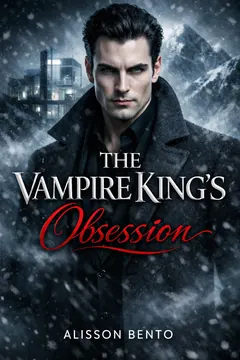
From Alisson Bento’s books
Vampire
A vampire romance about a hero who claims her and never lets anyone forget it.
Kindle edition · Check Kindle Unlimited availability on Amazon.
How do you choose when your reading list is enormous?
Let the current mood do the first sorting. Select only a few descriptions that might match the experience you named, rather than comparing your entire unread collection. You are choosing a candidate for tonight, not ranking every book you own.
Give the candidates simple roles: a familiar option, a fresh option, and a flexible option. The familiar one keeps your favorite dynamic. The fresh one changes a single ingredient. The flexible one may be a reread or a shorter story you already have access to. You do not need three new purchases to build this menu.
Then choose one promising opening. If two options look equally appealing, either is a reasonable experiment. There is no requirement to establish which is objectively best before reading. You can change your mind after hearing the narrator’s voice and seeing how the first scene unfolds.
A useful limit concerns the comparison itself: once you have a candidate and your essential questions are answered, stop adding more descriptions for that session. Endless comparison may produce more options without improving your understanding of what you want.
What should you notice in a sample?
Notice whether you want the next scene. You can pay attention to the narrator’s voice, the clarity of the situation, and whether the characters’ immediate concerns interest you. A sample does not need to produce instant obsession to earn a chance, but it should give you some reason to continue.
Avoid turning the opening into an examination. You do not have to annotate every trope, count jokes, or assess the entire genre. If the voice makes you smile, that matters. If you keep rereading a sentence because it is difficult to follow and you do not want that effort tonight, that matters too.
An opening cannot establish everything about the full novel. Later heat, difficult themes, and ending structure may not appear early. Check those through relevant notes when they matter. The romance blurb guide explains which questions a description can answer and which deserve another source.
Set a natural stopping point if it helps: the end of a scene or a moment when you can honestly say whether you want more. There is no universal number of pages you must read before your preference becomes valid.
Is rereading cheating, and is stopping a failure?
No. Rereading gives you an experience whose broad shape you already know. If your goal is enjoyable reading, that is a useful option. You may revisit a favorite dynamic, enjoy a familiar voice, or read only the part you wanted to spend time with. A new title is not automatically a better use of the evening.
Stopping is also a reading choice. A book can match your mood menu on paper and still not fit once you enter its scenes. You might return later, or you might not. Neither outcome requires you to condemn the book or question your ability to enjoy romance.
If your aim includes finishing something soon, a shorter work may be an option, but length does not guarantee ease or enjoyment. A brief story can ask for close attention; a long one can pull you along. Choose the kind of engagement that appeals to you rather than assuming a page count will solve the problem.
Keep one useful note and adjust the next invitation
After sampling or reading, record one specific observation if you want to. “I liked the clear shared task” or “I wanted less internal explanation” can improve the next menu. You do not need a spreadsheet, a score, or a public review. A sentence is enough.
Use that observation to make one adjustment. If the shared task helped but the setting did not, retain the task and change the setting. If the banter worked but the relationship developed sooner than you wanted, keep the lively voice and look for more gradual trust. The slow burn vs low spice guide helps separate development timing from intimate detail.
A menu is allowed to become simpler. “Familiar world, direct communication, complete romantic arc” may describe your next choice perfectly. Or you may want more danger and a longer series commitment. Browse the catalog with that invitation in mind, check the essentials, and choose the opening that makes you curious. Enjoyment can be a modest reason to read; it does not have to arrive as a dramatic comeback.