October in Sydney, São Paulo, Cape Town, and Buenos Aires means something utterly different from October in New York or London. While northern readers bundle up for autumn’s arrival, you’re stepping into spring’s changing weather—lengthening daylight and, in many places, gardens in bloom, and the entire rhythm of your reading season shifting away from introspective winter comfort reads toward something lighter and more expansive. If you’ve ever tried following a Northern Hemisphere reading list in October and felt it missed the mark, this is why: seasonal romance recommendations rarely account for the fact that southern seasonal calendars differ from northern ones, while local weather still varies. Your spring reading deserves its own guide, shaped by your actual daylight, your actual temperature, and the mood that your season genuinely creates.
Why October reads differently south of the equator
Spring in the Southern Hemisphere arrives with a particular kind of energy. The worst of winter is behind you—no more early darkness, no more cold that makes staying indoors feel necessary rather than chosen. Daylight extends noticeably week by week. Temperatures climb into the comfortable range where sitting outside becomes appealing rather than brave. Gardens and parks fill with flowers and returning bird life. This shift is real and physical, and it changes what you want to read.
A Northern Hemisphere autumn reader often gravitates toward coziness, introspection, and stories that feel like wrapping up the year. They reach for dark academia, gothic atmospheres, and narratives shaped by the sense that the world is closing in as days shorten. You’re experiencing the opposite momentum. Your world is opening. Your instinct is toward stories that match expansion, possibility, and the sense that the season itself is generous with time and light. This doesn’t mean avoiding depth or complexity—it means choosing stories where those qualities emerge alongside warmth, outdoor life, and the sense that characters have room to move and breathe.
Recognizing this seasonal difference lets you stop fighting your own reading impulses and start honoring them. A story that feels slow and heavy in October might have been exactly right in June. A romance that sparkles with social energy and outdoor scenes might have felt too light in your winter. Spring is asking you for something specific, and reading guides written for the opposite hemisphere were never going to name it.
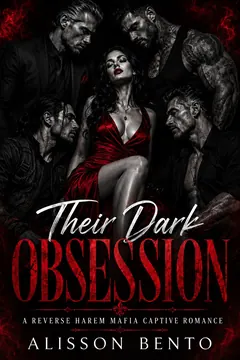
From Alisson Bento’s books
A mafia romance about a captive bargain that turns into the only place she wants to be.
Kindle edition · Check Kindle Unlimited availability on Amazon.
Spring moods versus autumn moods in romance
The emotional landscape of spring romance differs fundamentally from autumn romance, even when the plot is similar. An autumn romance often explores characters moving inward—secrets revealed as the year winds down, vulnerability surfacing as the outside world becomes smaller and colder, intimacy deepening in enclosed spaces. Spring romance tends to move outward. Secrets unravel differently when characters are visible, moving through shared spaces, meeting each other in settings that feel alive and populated.
In spring, isolation reads differently. A character trapped or confined creates tension against the backdrop of a world full of light and activity happening without them. Compare that to autumn, where confinement can feel almost natural, an extension of the season’s own inward turn. Spring romance often thrives on the collision between personal stakes and public life, between what characters want to keep private and the fact that spring makes privacy harder to maintain. You’re more likely to want stories where characters are spotted together at markets, where a new relationship becomes visible to a community, where the season’s social energy forces confrontation and clarity.
This also shapes how you might feel about pacing. Spring daylight gives you actual hours to read in natural light. You might find yourself drawn to books with faster momentum, multiple perspectives, or social complexity that keeps your mind engaged during those long afternoon reading sessions. Conversely, if you do want a slower burn, spring’s abundance of daylight means you have room for it without the pressure to finish quickly before darkness falls. The mood of the season opens different possibilities than autumn offers.
Outdoor-setting romances that suit warm afternoons
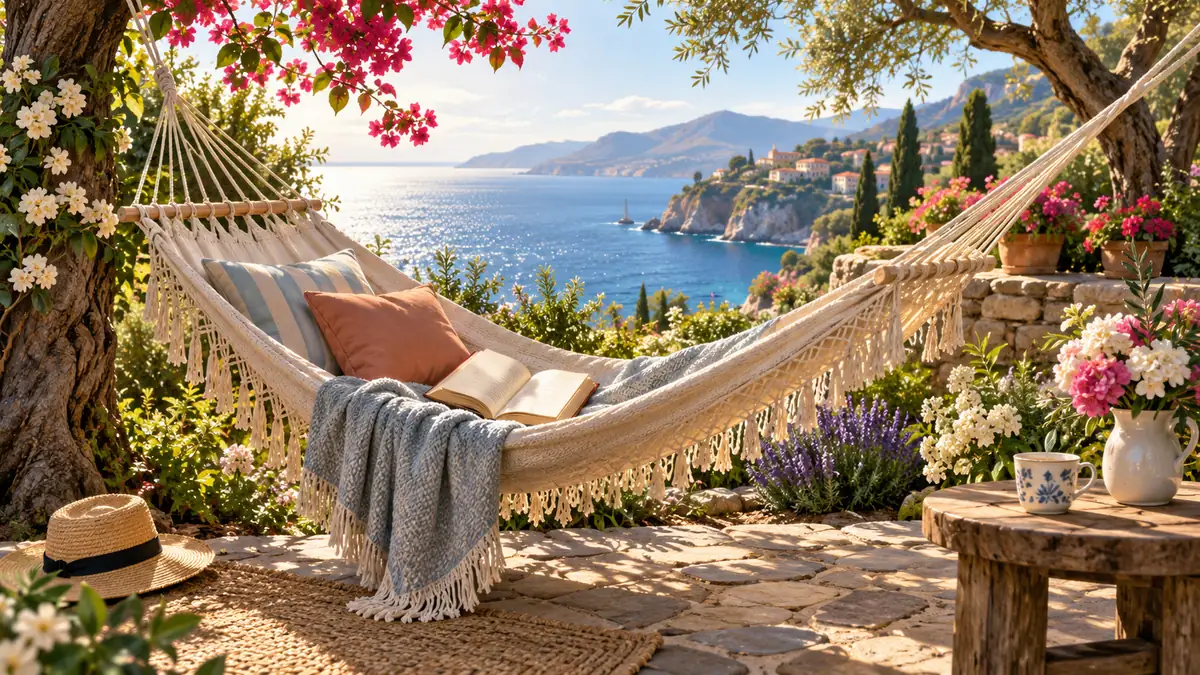
October warmth invites you toward stories set outside. Not adventure narratives necessarily, but romances where outdoor space matters to the plot and emotional texture. A balcony conversation, a market encounter, a garden where characters keep meeting—these settings carry different weight when you’re reading them while actually sitting outside, feeling actual spring air.
Look for contemporary romances where characters meet in public outdoor space repeatedly. A farmer’s market, a café with outdoor seating, a public garden, a neighborhood street where routines intersect. These settings create natural obstacles to privacy (which generates tension) and natural reasons for characters to encounter each other across multiple scenes (which develops connection). They also tend to be populated with secondary characters and community life, which suits the social energy spring creates.
Consider what kind of outdoor activity interests you. Some readers want hiking or adventure pairing with romance. Others prefer low-stakes outdoor time—sitting, walking, eating, observing. Both work beautifully in spring, but they shape different story experiences. A romance built around characters who cook and eat outdoors together, like Oden at Midnight, centers intimacy in a professional and communal space. Kaito and Hana’s story unfolds across a Tokyo street where an oden stall anchors neighborhood life. The outdoor setting isn’t backdrop; it’s where their conflict and connection actually live. Choosing books where setting functions this way means you’re not just reading about outside—you’re reading stories shaped by outdoor life mattering to who the characters are.
Temperature also matters practically. October in spring means you can comfortably read on a verandah, in a park, or on a beach for hours. This changes what book length feels right and how long you can sustain attention. Use this advantage by choosing stories dense enough to reward extended reading time, rather than reaching for quick reads just because that’s what worked during cold months.
Beach-adjacent and coastal romance picks by atmosphere
Southern Hemisphere spring often means coastal communities are awakening. Water temperature is still cool in many regions—not quite swimming weather—but beaches are visibly busier. Coastal towns that felt sleepy in winter are becoming social spaces. This is the perfect season to read romances set in these liminal coastal environments, where the beach or harbor creates the story’s atmosphere without requiring characters to already be vacationing or living permanently by the sea.
Coastal romance works differently when you’re reading it as your season approaches beach season rather than leaving it behind. You might find yourself drawn to stories about characters returning to coastal towns after years away, or stories where two people are meeting in a coastal community for the first time as it comes alive with spring activity. The atmosphere of a harbor town in spring—activity increasing, light extending, familiar faces reappearing—creates specific emotional textures.
Look for stories where coastal setting creates practical complications rather than just providing a pretty backdrop. A character who lives on the coast year-round versus a character discovering it for the first time in spring will experience the same physical space completely differently. A romance where one character knows the community’s rhythms and the other is new to it uses the setting to build tension and misunderstanding. The awakening coast becomes a mirror for characters learning each other.
Consider also the difference between stories set at beaches (open, social, exposed) and stories set in harbors or port towns (working spaces, populated but purposeful, less vacation-oriented). Your spring preference might lean toward one or the other. Beach stories often carry a lighter social tone; harbor stories tend toward grittier, more complicated relationships with work and community. Neither is more appropriate for spring—but being intentional about which atmosphere you want means you’re not randomly picking coastal reads and hoping they fit your mood.
Garden, farm and countryside settings in bloom
Nothing signals spring more reliably than growth. Gardens in bloom, farms preparing for growing season, countryside exploding with color and activity after winter dormancy. October is when these settings are genuinely at their most beautiful and alive, which makes it the perfect time to read romances built around them.
Farm and countryside settings in spring romance often carry specific emotional weight. A character returning to a family farm, a new partnership beginning on rural land, a community project centered on agriculture—these plots resonate differently when you’re reading them as your actual season comes alive with growing things. The setting isn’t just scenery; it’s a reflection of the emotional arc. Growth, restoration, new beginnings, cycles returning—all of these themes land harder when the physical world around you is demonstrating them.
Garden settings particularly suit spring reading. A garden romance might center on characters who meet while gardening, or share a garden space, or inherit a garden project together. The garden becomes a place where intimacy develops through collaboration and time. Unlike beach or urban settings, gardens create privacy within populated spaces—you can be alone together in a garden while still being part of a neighborhood or community. This suits spring’s balance between social energy and personal connection.
Countryside romances in spring often explore themes of belonging and return. A character coming home to rural life after city years, or discovering countryside life for the first time, or fighting to preserve a rural community—these stories use the setting to explore what home actually means. Spring’s renewal energy pairs beautifully with narratives about claiming or reclaiming a place.
If you’re drawn to this kind of setting, ask yourself: Do I want a story about agricultural work and practical rural life, or about rural space as a setting for personal transformation? Do I want community-centered countryside romance, or something more isolated? Does the garden or farm appeal to me because I’m interested in the actual work involved, or because I’m drawn to the aesthetic and emotional atmosphere? Your answers will guide you toward stories that will actually satisfy what you’re looking for, rather than vague countryside reads that might disappoint.
Light festival and spring holiday settings that still work
Spring in the Southern Hemisphere includes specific cultural moments and seasonal markers that shape how you might frame your reading. In different regions, school holidays, religious observances, agricultural fairs, or local festivals define the season. Think of jacaranda season in parts of Australia and South Africa, spring race carnivals, Melbourne Cup week approaching, grape-growing regions beginning their visible work, or local flower festivals. These cultural moments create natural settings for romance stories—gatherings, homecomings, community events, and celebrations that bring characters together.
When reading romance set around cultural holidays or festivals, choose stories that treat the occasion respectfully and specifically rather than using it as generic backdrop. A story genuinely grounded in a specific community’s spring traditions will resonate far more than a romance that simply names a holiday as scenery. The same applies to school holidays, which create specific practical circumstances—characters with time off, families gathered, seasonal rhythm shifting.
Spring festivals and events in your region might inspire reading choices. If your community has spring markets, garden festivals, or seasonal cultural celebrations, reading romances set in similar environments deepens the experience. You’re not just reading about characters meeting at a spring festival; you might be reading while anticipating or attending similar gatherings in your own life.
Be cautious of reading guides that assign Northern Hemisphere autumn holidays to October without recognizing that your October is spring. Halloween iconography, harvest festivals, and the North American and European traditions clustered around late October belong to a different hemisphere’s seasonal logic. If you’re drawn to romance incorporating cultural occasions, seek out stories that honor your own region’s spring markers rather than importing autumn decoration that doesn’t match the light or temperature outside your window.
Pairing book length with daylight hours
October in the Southern Hemisphere gives you dramatically more reading time than winter months did. Sunrise comes earlier, sunset comes later, and the warmth makes reading outside genuinely comfortable for hours at a stretch. This is practical information that should shape your reading choices.
Longer books—600 pages, 700 pages, series you can sustain over weeks—become genuinely manageable in spring in ways they might not have been in winter. You have actual daylight hours to read in. You’re not racing to finish before dark. You can pick up a substantial book and spend extended time with it without pressure. This is the season to tackle books you’ve been hesitant about because they seemed too long, or series you’ve wanted to explore more thoroughly.
Conversely, don’t assume shorter books are less valuable in spring. Some readers use abundant daylight to read multiple books across a week, finishing faster and moving through their TBR more quickly. Others use the same daylight to spend more time with single books, reading more slowly and deeply. Neither approach is more correct—but being intentional about which one appeals to you means choosing book length accordingly.
Temperature also matters. In winter, you might have gravitated toward very engaging plots that keep your attention despite cold and dimness. In spring, you might discover you can sustain attention on slower, more introspective books because the external environment is already pleasant and energizing. Alternatively, spring’s social energy might make you crave faster-paced, more plot-driven narratives that match the season’s momentum. Test this as October progresses. What length and pacing actually feel satisfying when you’re reading outdoors in warm light?
Why-choose and reverse harem romance in spring settings
Why-choose and reverse harem romance often involves characters navigating multiple relationships simultaneously, which requires social complexity, visibility, and active emotional work. These stories frequently thrive in spring settings where characters can’t hide, where community observes their choices, and where the season’s social energy creates natural pressure for clarity and commitment.
Consider Taken by the Triad, where art authenticator Sloane Hutton’s situation involves three men and her professional expertise. Or Her Three Riders, where Blythe seeks protection and partnership with three motorcycle club leaders. Both stories use professional competence and external circumstances to ground multiple-partner romance in specificity and credibility. Spring settings would intensify these dynamics—more visibility, more community awareness, less ability for characters to maintain separation between different relationships.
If why-choose romance appeals to you, spring might be the season to explore it. The social energy, the visibility, the sense that characters are navigating public space and community awareness—all of these suit narratives where characters are making complex relationship choices openly rather than secretly. Spring’s light makes hiding harder. It also makes the emotional work of choosing and committing to multiple partners more visible because everyone can see it happening. If you want help thinking about how much heat and how much slow development you actually want in that kind of story, Slow burn vs low spice: choose the tension you want is a useful companion piece.
Contemporary romance that matches your actual life
Spring is often when Southern Hemisphere readers find themselves more socially active. Work rhythms shift as the season changes. School calendars align differently than Northern Hemisphere academic years. Social gatherings, outdoor activities, and community events increase. This is the season to read contemporary romance that mirrors the actual social and professional complexities of your life.
Contemporary romance set in workplaces, community spaces, professional fields, and social networks reflects the texture of spring life better than epic fantasies or historical settings might. This doesn’t mean avoiding other genres—it means recognizing that contemporary romance, read during the season when your own life is most socially active and visible, lands with particular resonance. You’re reading about characters navigating work, community, and relationship while you’re actually navigating similar complexity in your own days.
Six Months in Florence follows chef Ella through culinary study and professional reinvention after betrayal. Oden at Midnight grounds architect Kaito and food-stall proprietor Hana in working life and community interdependence. Both stories use professional stakes and workplace relationship to create romance that feels grounded in real adult complexity. Reading these kinds of stories during spring, when your own social and professional life is likely more active, creates a particular kind of resonance. You’re not escaping into fantasy; you’re reading deeper into the actual emotional textures of your own season. If you want to think ahead about the kind of resolution these stories promise, HEA vs HFN: what a romance ending promises walks through the difference between a happy-ever-after and a happy-for-now and how each one lands.
Building a personal spring TBR without copying northern lists
Stop looking at autumn reading lists and pretending they’re your guide. You don’t need dark academia recommendations from October Northern Hemisphere book blogs. You don’t need October TBR videos shaped by American fall or British autumn. You need to build a reading list from your actual seasonal position and your actual mood.
Start by acknowledging: What is my season asking for? Not what do autumn readers want. What do you want? Do you crave social energy and visibility, or deeper quiet despite abundant daylight? Are you drawn toward outdoor settings because you’re spending more time outside, or are you reading escape narratives set elsewhere? Do you want stories that mirror your community and professional life, or stories completely removed from your actual context? Do you find yourself wanting faster pacing because spring feels energizing, or are you using spring’s generous daylight to read more slowly and deeply?
Once you’ve answered those questions honestly, start building your TBR from actual choices rather than seasonal defaults. Look for contemporary romance if that matches your mood, but also look for fantasy, paranormal, or historical romance if those genres call to you more. The season isn’t demanding a specific genre—it’s providing a mood and practical circumstances (daylight, temperature, social energy) that shape how different stories land.
Use this season to try genres or tropes you’ve been hesitant about. Spring’s generous daylight and social energy create space for experimentation. If why-choose romance has intrigued you, spring might be the season to test it. If you’ve wanted to explore slow-burn contemporary romance but worried it wouldn’t grip you, spring’s mood might make exactly that pacing satisfying. You have time, light, and mental energy available. Use them to read what you actually want rather than what you think you should want.
Finally, recognize that spring reading lists you build now don’t have to be permanent templates. Your autumn reading list in a few months will be different—and that’s exactly right. Your seasons are opposite from Northern Hemisphere readers. Your spring TBR should reflect that reality, honor your actual mood and circumstances, and guide you toward books that genuinely fit where you actually are when you’re actually reading them.
Starting your October reading
You have longer daylight, warmer weather, and the specific mood that spring creates in your part of the world. You have weeks of reading time ahead with conditions that support sustained, comfortable reading. You have the opportunity to read differently than Northern Hemisphere autumn guides assume you should. Start by choosing one book that genuinely matches what your season is offering—not what October looks like somewhere else. Read it outside if you can. Notice what you want to read next based on how that first book actually felt, not based on someone else’s autumn list. Your spring reading deserves that kind of attention. Build from there.