Choose a fantasy romance standalone when you want the central story’s promised resolution in one volume; choose a continuing series when following change across several books is part of the pleasure. First establish what continues. The couple’s relationship, the main fantasy conflict, and the wider cast can reach their endpoints at different times. A world with more stories to tell does not necessarily leave the current romance unfinished.
The practical question is therefore more specific than “Is this a series?” Ask whether the relationship you are investing in resolves here, what the next volume follows, and which unresolved threads would bother you if you stopped.
Separate the couple, the crisis, and the wider world
A fantasy romance can run three linked threads. The romantic arc concerns the adults’ developing relationship and its central obstacle. The external arc concerns a quest, curse, political struggle, or other immediate fantasy problem. World continuity concerns other communities, institutions, and characters whose stories extend beyond that problem.
These threads influence one another without being identical. A couple might agree on a shared future after preventing a local disaster, while a larger dispute remains unresolved. Alternatively, a magical threat might be defeated while the adults’ commitment is still uncertain. The first resolution should not be assumed from the second.
When descriptions say “complete,” look for the noun attached to it. A complete romantic arc, complete trilogy, and complete universe are different promises. You may only need one of them. Understanding which one matters to you keeps a broad setting from looking like an automatic demand for ten more books.
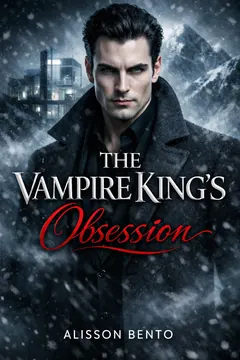
From Alisson Bento’s books
Romantasy
A vampire romance about a hero who claims her and never lets anyone forget it.
Kindle edition · Check Kindle Unlimited availability on Amazon.
What does standalone mean inside a fantasy series?
“Standalone” may indicate that the central plot resolves in the book, that a new reader can enter without previous volumes, or both. A story can finish its romance while still benefiting from earlier world context. Read the author’s wording carefully instead of treating the label as a universal reading-order rule.
A single-volume story
Here the main invitation fits within one book. Other adventures might be possible afterward, but the current story supplies the resolution its description promises. This suits a reader who wants to enter, care deeply, and leave with a sense of completion. It does not imply a small world or brief emotional development.
A continuing couple saga
The same adults remain central across volumes. Their relationship and external conflicts may develop through several stages rather than closing at the first ending. Some installments offer satisfying milestones; others deliberately suspend an urgent question. Check the specific installment’s structure instead of assuming every series volume ends alike.
Different couples in one changing world
Each volume may center a new relationship while a political or magical arc continues. That can combine romantic closure with returning places and familiar supporting characters. It can also make order important if later couples face consequences established earlier. Self-contained love stories and cumulative world history can coexist.
This guide focuses on that fantasy-scale commitment. For the choice of setting itself, the guide to high fantasy versus low fantasy romance considers a separate question: how familiar your first doorway feels.
Can the romance end while the world conflict continues?
Yes, provided the couple’s central question reaches the promised kind of resolution. An ongoing council dispute need not invalidate two adults choosing a shared life. What matters is whether that wider dispute still makes their relationship fundamentally uncertain or simply gives them future difficulties to face together.
Consider an invented example with adult protagonists. An engineer and a navigator restore a failing harbor ward, overcome their disagreement about whose safety comes first, and decide to build a home together. Other ports still need help. The next volume follows different adults negotiating a regional solution. The world’s work continues without reopening the original romantic decision.
Now change the final scene. The ward is repaired, but the navigator leaves because the engineer has concealed a condition that affects their future. Whether they reconcile remains the central unanswered question. The external victory is real, yet the relationship still asks for another installment.
Neither version is inherently the better structure. They make different promises about where emotional investment pays off. If you want closure tonight, the distinction matters more than whether both covers display a series name.
Which cliffhangers would make you want to wait?
“Cliffhanger” can describe several kinds of unfinished business. You might happily wait to discover a rival’s plan while finding uncertainty about the couple unbearable. Decide which unresolved thread creates enjoyable anticipation and which would keep the ending from satisfying you.
- Relationship suspension: a central commitment, separation, or reconciliation remains unresolved.
- Immediate danger: a character’s safety is uncertain when the volume ends.
- World escalation: the local goal succeeds but a broader threat becomes clear.
- Next-story invitation: another character receives a problem after the current arc closes.
These are useful distinctions for asking about an ending; they are not official labels applied consistently to every book. A final reveal can occupy more than one category. Ask which thread remains open rather than only whether a reader found the ending dramatic.
How can you check without spoiling the resolution?
Look first for author or publisher notes that explicitly describe cliffhangers or self-contained arcs. If asking another reader, phrase the question narrowly: “Does the main couple’s relationship resolve in this volume? Please do not say how.” You can separately ask whether the ending leaves immediate peril unresolved.
A full plot summary may reveal much more than you need. A structural answer gives you enough to choose while preserving the discovery. If the available descriptions are vague, accept that the ending remains uncertain and decide whether that uncertainty fits your mood.
Reading order follows consequences, not just numbering
Numbered volumes suggest an order but do not explain why it matters. A later book might reveal the outcome of an earlier battle, depend on a changed law, or assume you already know a supporting character’s loyalties. Different protagonists do not remove those connections.
Author guidance is the strongest starting point for the intended entry route. Some worlds offer several acceptable starting books, while others ask for a fixed sequence even when individual relationships close. As a concrete illustration of varied guidance, Amberlyn Holland’s author reading-order page distinguishes publication order from a chronological route within a shared fantasy world. That does not establish a rule for anyone else’s books.
If skipping a volume appeals because its central trope is not your favorite, check the required context rather than guessing. You may need only a spoiler-conscious recap, or the omitted events may be integral. You can also choose a different entry point with fewer prerequisites.
Publication order and in-world chronology answer different questions. A prequel may happen first but have been written for readers who know the later story. Follow explicit guidance where it exists; chronology alone cannot tell you what information an author expects you to have.
Are novellas and companion books necessary?
Sometimes they are optional visits; sometimes they carry important continuity. Format and length do not settle their role. A brief companion might explain a changed alliance that the next novel assumes, while a full-length side story might be designed for independent reading.
Check how the author describes the piece: optional bonus, prequel, bridge, alternate viewpoint, or next installment. Those terms still require context, but they provide a better starting point than assuming a shorter work cannot matter. If a reading-order list places it between two novels, look for any note about whether it is required.
A useful personal distinction is whether you need a fact or want an experience. You might understand the next volume after learning that a council changed leaders, but still want the emotional story of how that happened. Reading every companion is a preference when the author makes the main route clear, not proof of greater commitment.
What should you verify before starting a completed saga?
Verify the completion status of the specific arc you plan to read. A finished main trilogy can coexist with an ongoing spin-off or a newly announced story in the same world. Conversely, several currently available volumes do not establish that the central saga has reached its conclusion.
Use current author or publisher information, especially when the description mentions a planned final installment. Release plans can change. An announced book is different from a volume you can obtain now, and availability in your reading language may differ from availability in another language.
Before beginning, check:
- The stated endpoint of the main arc, if one is provided.
- Which listed volumes have actually been released.
- Whether the available edition matches the language and format you want.
- Whether companion works are required for the intended sequence.
- Whether “completed” refers to the couple, a subseries, or the entire setting.
Do not infer completion from a boxed set or a final-sounding title. A collection can contain only the volumes available at the time it was assembled. If an omnibus collects several installments, compare the included story titles with the intended reading order. The number of packages available is not the same as the number of stories required. The safest useful claim is specific: the described main arc is complete, with the relevant books currently released, according to the source you checked.
Match your next read to the commitment you enjoy
A standalone suits the mood of wanting a substantial emotional journey with a clear stopping point. You can still enjoy intricate magic and a richly imagined setting. One volume merely changes how the story allocates its attention; it does not promise a thin world.
A continuing saga suits the desire to live with the same adults through several changes. New problems can test a commitment already made or delay a resolution you want to earn over time. Choose this structure when anticipation itself is part of the pleasure, with a release situation you understand.
A shared-world series with changing couples may suit both impulses: closure for the current romance and more places to visit later. Ask whether the continuing fantasy conflict requires consecutive reading and whether you would be content to pause after one relationship.
Turn your preference into a concrete request. “Adult fantasy romance with a resolved couple arc in the first book, no immediate-danger cliffhanger, and optional later stories” communicates a different mood from “same protagonists across a finished saga.” Both requests leave room for the world to surprise you.
Keep content boundaries and heat separate from the length of the journey. Once those promises are clear, the choice becomes inviting: decide how long you want to stay, which people you want to follow, and what kind of resolution you want waiting at your next stopping point.