A why-choose standalone should give you the central adult group’s complete romantic arc within one book. A continuing series develops that same group across several volumes, while an interconnected series may move to a different protagonist and romantic group in a shared world. To choose confidently, check what remains unfinished and whose relationships the next book follows.
The number of love interests cannot tell you how many books you need. Several relationships can develop within one focused volume; a smaller group can sustain a long journey. Your useful question is not “does this have a series name?” but “where does the romantic story I am starting reach its intended resolution?”
What counts as standalone closure for a romantic group?
Standalone closure concerns the central relationship questions the book asks you to invest in. The adults have reached a meaningful understanding of their continuing connections, the main obstacle to those connections has been addressed, and the ending gives the advertised romantic arc a sense of completion.
That does not require every adult to reach every milestone simultaneously. One bond may begin from years of friendship while another develops from a recent alliance. Their routes can differ. What matters is that the story does not quietly leave a core romantic connection unresolved while presenting another partner’s happiness as closure for everyone.
Nor does closure require an account of the adults’ entire future. An ending can leave work ambitions, friendships, or ordinary life ahead of them. The distinction is between a continuing life and a central romantic question that still requires another volume to answer.
Can a why-choose standalone belong to a series?
Yes. A series can contain separate complete romantic stories set in the same town, community, or fantasy world. The current group may reach its resolution before the next volume follows another adult. “Standalone in an interconnected series” usually points toward that arrangement, but check the particular description and recommended order rather than relying on the phrase alone.

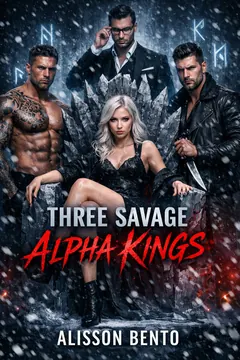
From Alisson Bento’s books
Why Choose
A mafia romance about a curvy heroine worshipped exactly as she is.
Kindle edition · Check Kindle Unlimited availability on Amazon.
Four publishing shapes that can look alike on a shelf
Similar covers, repeated surnames, and a shared series banner can make different narrative structures look interchangeable. Identify the structure before interpreting the number on the spine or product page. A reading order tells you sequence; it does not automatically tell you which relationship remains open.
- One-volume group arc: a single book develops and resolves its central romantic group.
- Continuing group series: the same protagonist and partners carry unresolved relationship questions across volumes.
- Interconnected standalones: each book centers a different romantic group while sharing people or setting.
- Mixed sequence: a world contains a completed main arc alongside companion books, earlier events, or later stories with different leads.
Mixed sequences deserve particular care. A series page may list seven items even if one group’s arc occupies three of them. A novella may be a companion rather than the missing conclusion. An omnibus may collect existing books rather than add another installment. Compare titles and descriptions so you know what you are counting.
When a page is ambiguous, keep the uncertainty visible. “Book one of three announced” is different information from “all three books released and the author identifies the arc as complete.” Neither cover design nor a reader’s short review should erase that distinction.
Track the individual bonds as well as the shared plot
A why-choose volume can finish an external task while leaving its relationships in progress. The group might solve a mystery, reach a refuge, or win a political concession. That can provide a satisfying installment ending without completing the romantic story you came to read.
Ask which adult connections have changed by the end. Has one partner confessed while another still doubts their place? Are the adults exploring an arrangement rather than committing to it? Does a new connection appear late and explicitly point toward the next book? These signs concern group continuity, not whether the volume has exciting action.
The reverse also occurs. A romantic group can become secure while an external conflict continues elsewhere in the world. If your primary concern is romantic closure, an unresolved political threat may feel different from a missing relationship decision. You may want both resolved, but name that preference clearly.
Does one happy relationship scene mean the entire group arc is finished?
No. A declaration or celebration may mark a milestone for one connection. It does not establish the status of every partner or the intended endpoint of the series. Rely on the author’s or publisher’s structure notes where available. When discussing your preference, ask for complete closure for the central group rather than merely “a happy moment at the end.”
Read cliffhanger notes for the kind of suspense involved
A cliffhanger can leave an adult in danger, introduce a sudden revelation, or suspend a major romantic choice. Those events create different emotional costs. Readers who happily wait for the next adventure may dislike waiting to learn whether a partner has been rejected. Other readers enjoy both kinds of uncertainty.
A note saying “no romantic cliffhanger” should not be stretched into a promise that every plot thread closes. Likewise, a continuing series does not necessarily end every volume at a moment of immediate peril. Some installments conclude at a stable milestone while preserving a larger arc.
If cliffhangers are a firm boundary, look for an explicit statement about the particular volume. A missing warning is not reliable evidence that an ending is complete. Reader comments can help identify what to check, but they may define “cliffhanger” differently or reveal more plot than you wanted.
You can ask a precise spoiler-light question: “Does this volume resolve the group’s central romance, or do I need the next book for that resolution?” That question is often more informative than asking whether the ending is “good,” because taste and closure are separate issues.
Will reading a completed series eliminate every cliffhanger?
No. Earlier books in a completed arc may still have cliffhangers. Completion means you can continue to the released conclusion without waiting for its publication. It does not change the endings already inside the sequence. Choose a completed arc if you enjoy sustained suspense but want the next installment available.
An invented comparison: the same world, different commitments
Consider three invented adult romance descriptions. The first follows Nessa and her three adult partners as they renovate a neighborhood theater. The book addresses their differing expectations, resolves the central group conflict, and ends with a continuing arrangement they have chosen. A later book follows Nessa’s adult friend and a different group. That is the shape of interconnected standalones.
The second follows the same adults over a trilogy. The theater opens in the first volume, but one relationship remains uncertain and a concealed obligation threatens the arrangement. The second volume continues those questions with the same protagonist. Finishing the renovation has not finished the romantic arc.
The third gives the group a complete romance in one book, followed by an optional holiday companion that shows their established life. The companion offers more time with the adults rather than withholding the main resolution. Whether you want to read it is a preference about extra time in the world.
All three can use similar settings and covers. Only the descriptions of what continues reveal the required commitment. That is why “the next book has familiar names” is too weak a test: a former lead can appear as a supportive friend without reopening their central romance.
Check reading order with the question you need answered
Start with the author’s series page or publisher’s official description. Look for volume numbering, a recommended starting point, information about the central characters, and statements about completion. If there is a specific recommended order, use it instead of assuming the earliest event in the fictional timeline comes first.
- Identify the book you are considering and the group it centers.
- Find the official sequence and read the descriptions of adjacent volumes.
- Check whether those volumes continue the same romantic adults or introduce new leads.
- Locate cliffhanger and completion notes for the main arc.
- Confirm which volumes are currently released before planning a complete read.
Release plans can change. An announced date is a plan, and a preorder is not an already available conclusion. If you intend to wait for the entire arc, check current information when you are ready to begin rather than using an old recommendation list as proof.
Edition differences can also confuse the list. A collection, translated edition, or revised cover may appear beside individual volumes. Match the title and contents before treating it as another installment. This check is about the narrative you will read, not about requiring every format in which it exists.
Choose the commitment that fits your reading mood
A standalone can suit a reader who wants to meet a group, feel its chemistry, and receive closure within one book. You may prefer a focused obstacle and a smaller amount of worldbuilding. That does not make the relationships shallow; scope and depth are not determined by the presence of sequels.
A continuing group series can suit a reader who enjoys watching adults revise first impressions over time, negotiate several obligations, and grow into a shared future gradually. The additional space is an opportunity for development, not a guarantee. Read a sample to assess the voice and pacing instead of assuming more volumes must mean more satisfying characterization.
Interconnected standalones offer another appeal: a familiar community with a fresh romantic center each time. You can enjoy returning characters while avoiding the need to remember every unresolved detail of the original group. Recommended order may still improve context or prevent spoilers about earlier outcomes.
For a practical selection note, try: “One complete adult group arc, connected books welcome, no required sequel for romantic resolution.” Or choose: “A finished continuing series with gradual group formation.” Both are clearer than simply asking for a short or long book.
Extra questions before you commit to the group
Can new partners enter in later books? They can, if that is the particular story’s structure. A new romantic adult may be part of an ongoing group arc rather than a separate romance. If the final configuration matters to you, check available relationship notes without assuming the first volume introduces every partner.
Should I start with a prequel? Follow the official recommended order when one exists. A prequel can add background while being written for readers who already know the group. Its earlier chronology does not automatically make it the clearest introduction.
Is a standalone always lower angst? No. One volume can contain intense internal conflict, and a long series can offer a reassuring group. For the kind of friction you want, see jealousy in why choose. For the other selection choices, use the reading preferences checklist.
When the scope feels right, browse the why-choose catalog and confirm the individual book’s structure. You are choosing how long to stay with these adults and where their romantic promise is meant to land.