The blue-collar romance trope makes hands-on work part of an adult love story. A trade, practical job, or manual livelihood can shape the characters’ schedules, ambitions, and material stakes. Its particular attraction often comes from seeing what someone can do and how they follow through. The job is a source of characterization, not a substitute for it.
If your heart responds to a person who keeps a promise, explains a problem honestly, and takes another adult’s needs seriously, this can be a very satisfying reading lane. But practical skill does not automatically imply kindness, emotional fluency, or one particular personality. Look for the choices around the work as well as the work itself.
What counts as blue-collar romance?
In reader searches, the label commonly points toward characters doing hands-on or manual work: a fictional mechanic, carpenter, construction worker, or another adult whose livelihood involves practical tasks. Descriptions vary, so the actual occupation and its place in the plot are more useful than expecting a universally fixed list.
A reader discussion devoted to blue-collar workers uses hands-on work as its organizing theme. It is a useful example of how the search label is used, rather than an authority on every book’s content or a reason to assume all workers share the same background.
The romance may center one working character or two. They might meet through a project, live in the same community, or have a relationship that develops away from work. What makes the occupation relevant is its effect on decisions: what they can promise, what they want to change, and what another person comes to understand about them.
Do not infer a character’s income, education, ownership status, or temperament solely from the label. A worker might own a business, be employed by someone else, be learning a trade, or be considering a different role. Those distinctions can produce different fictional stakes.

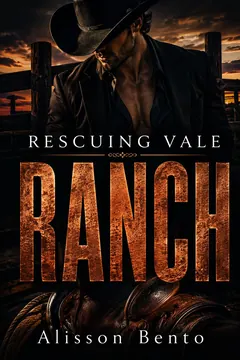
From Alisson Bento’s books
Cowboy & Western
A cowboy romance about a single dad who never planned to fall again.
Kindle edition · Check Kindle Unlimited availability on Amazon.
Why is practical competence attractive on the page?
Competence makes attention visible. A character who understands a task can notice what someone needs, anticipate a difficulty, or explain an option clearly. When the other adult sees those actions, attraction gains something concrete to respond to. The reader can understand the spark without being repeatedly told that this person is impressive.
A realistic deadline can reveal character
Imagine an invented adult carpenter working on a community project with an adult organizer. The carpenter promises a completion date they can reasonably meet. When a delay emerges, they explain it early and offer alternatives. The organizer sees skill, honesty, and respect for the consequences of a changed plan.
The attractive detail is not that the carpenter prevents every problem. It is that the organizer does not have to guess what is happening. That small exchange can build trust while leaving room for irritation, humor, and desire. Reliability becomes an interaction between two people rather than a flattering adjective.
Listening belongs beside knowing
Now imagine the organizer explaining why an access requirement matters to the project. The carpenter takes the information seriously instead of dismissing it. Technical ability and another adult’s expertise work together. This is a richer version of competence than making one character the only person who understands anything.
A romance can also make admitting a limit attractive. “I cannot do that by tomorrow” may reveal more integrity than an impossible promise. You can enjoy exceptional skill while still wanting a character who recognizes when someone else should contribute.
How does the working day create romantic stakes?
A job can give a relationship a rhythm. Adults might meet before a shift, make plans around a deadline, or discover that one person’s busiest time is the other’s only free evening. These practical differences can create tension without needing a villain or a spectacular misunderstanding.
The invitation has to fit a life
In an invented example, an adult mechanic finishes work later than the adult teacher they are dating. A spontaneous dinner invitation repeatedly misses the same limit. The relationship develops when the adults explain their schedules and choose a plan both can keep. The adjustment shows that attraction has begun to include consideration.
Work may also create an ambition the romance must respect. A character might want to train for a new responsibility, take on a project, leave an unsatisfying workplace, or keep a business steady. The story becomes more specific when these goals influence the couple’s decisions instead of disappearing once they get together.
You do not need a novel full of technical process to feel the working life. A few well-placed details can establish what a commitment costs. What matters for this reading mood is whether the job changes behavior, not how many tools, tasks, or specialist terms the narration can name.
Look for variety in those scenes. Constant work crises can become a convenient barrier to conversation. A more developed pattern may show pressure in one chapter, enjoyment in another, and a difficult choice later. The occupation then reveals a person rather than supplying the same interruption repeatedly.
Blue-collar, working-class, workplace, and cowboy: where do they overlap?
Blue-collar points toward the kind of work being described. Working-class romance more directly raises questions of economic circumstances and social position. The labels can overlap, but they do not give identical information. A practical occupation does not, by itself, establish exactly how much money a character has or what class conflict the plot contains.
Workplace romance describes the relationship’s connection to a shared professional setting. A blue-collar couple could work together, but they could also meet elsewhere. If you want romance built through shared shifts or a project, seek that premise explicitly rather than assuming the job label guarantees repeated workplace encounters.
Cowboy romance adds a particular character world or rural setting. Some cowboy stories foreground hands-on working life; others emphasize family, a return home, or another relationship obstacle. For shared rural duties specifically, the ranch romance and forced-proximity guide explores how repeated tasks affect the couple.
These distinctions help you combine preferences. You might want a blue-collar character with an independent partner, two peers working together, or a cross-class relationship in which money is central. Each offers a different question for the adults to answer. None specifies heat, tone, or the ending on its own.

From Alisson Bento’s books
Cowboy & Western
A mafia romance about a hero who claims her and never lets anyone forget it.
Kindle edition · Check Kindle Unlimited availability on Amazon.
A skilled worker still needs an emotional life
A person can repair an object and struggle to express disappointment. Another can be physically capable and emotionally open from the beginning. Blue-collar work does not require a gruff hero, a shy heroine, a protective personality, or any fixed gender pairing. The sample should establish who these adults actually are.
Character depth appears in preferences and contradictions. A fictional tradesperson might enjoy patient work but dislike planning social events. They might feel confident at the job and uncertain about an important friendship. These details make room for discovery beyond the familiar image of capable hands.
Be alert when the book treats an occupation as a moral certificate. Doing demanding work does not automatically make a character more authentic than someone with a desk job. Likewise, a different professional background does not make the love interest superficial. Attraction can emerge through curiosity instead of requiring one lifestyle to humiliate the other.
Practical competence and emotional responsibility are separate traits. If a character performs a useful task after an argument, the task may communicate care; it may not answer the question raised by the disagreement. A satisfying repair often includes understanding what happened and what will change, as well as a gesture the other person appreciates.
Whose ambitions does the romance take seriously?
Both adults should have room to matter. A character’s practical expertise can be a major source of attraction without making the other protagonist a helpless audience. The partner might contribute professional knowledge, judgment, creativity, friendship, or a very different way of looking at the shared problem.
Imagine an invented adult welder dating an adult event coordinator. One has a training opportunity during the other’s most important annual event. There is no automatic winner because one job appears more physically demanding. The scene becomes interesting when the couple discusses what each commitment means and what support is realistically possible.
Changing a plan can express love when the adult chooses it and the story acknowledges the cost. A pattern in which the same partner always gives something up creates a different dynamic. If mutual respect is what you want, watch for whether both people get asked rather than one person simply announcing the solution.
Competence can also become intrusive when a character fixes or changes something the partner did not want changed. The more specific agency question belongs to competent versus controlling heroes. Here, notice whether the working character’s help starts a conversation and preserves the partner’s say.
Does the happy ending require a sudden fortune?
No. A romance can offer an emotionally hopeful ending without transforming every working character into an unexpected millionaire. The adults may reach a more secure arrangement, agree on a shared plan, or remain committed while their work continues. The relationship payoff and the financial plot do not have to be identical.
If ordinary working life is the reason you chose the book, a surprise wealth solution may change the fantasy substantially. Some readers enjoy that transformation; others want the practical circumstances to remain part of the couple’s future. Check the description for an inheritance or business-success premise when that distinction matters.
Material stakes can be acknowledged without making the novel relentlessly bleak. Limited time, an uncertain project, or a meaningful purchase may be enough to give choices weight. Nor should hardship function only as a decorative sign that a character is noble. Look for circumstances that influence actions and retain meaning when the romance deepens.
The useful ending question is what the adults have learned to handle together. Do they discuss their work honestly? Can they make commitments both can keep? Have their ambitions found a place in the relationship? Those answers can provide reassurance without requiring the fictional world to eliminate every practical concern.
Choose a blue-collar romance by the kind of chemistry you want
Name the appeal precisely. You may want work-centered encounters, competence observed from a distance, class differences handled respectfully, or a steady adult whose care appears in small actions. That preference tells you more than choosing solely because the protagonist wears a particular uniform.
- Check the role: what does the character do, and how much does that work affect the plot?
- Check the relationship: are they colleagues, customers, neighbors, or adults meeting elsewhere?
- Check reciprocity: does each protagonist have expertise or goals the other takes seriously?
- Check the appeal: do you want reliability, rivalry, ambition, or cross-class tension?
- Check tone and intimacy separately: practical skill does not predict how gentle or explicit the book will be.
A sample can show whether dialogue makes the character distinct and whether a working detail changes a choice. Later heat, major content concerns, and the ending may need separate checks. Choose the book in which the skill interests you and the person behind it gives you a reason to stay.