
Small-town romance describes where a love story happens; cozy romance describes the reading atmosphere readers hope to find. The labels can overlap, but neither answers every question about heat, grief, conflict, or danger. A close-knit setting can cradle an adult couple or squeeze them until they fight for privacy. To choose well, separate the place from the emotional experience.
That distinction saves you from the charming-cover trap. A bakery window and a welcoming main street might accompany a gentle courtship, an explicit romance, or a story with painful family history. Decide what comfort means to you, then look for evidence of that particular promise.
Small-town romance vs cozy romance: two different clues
A small-town premise places the relationship inside a community with repeated encounters and overlapping connections. The adults may share a workplace, recognize each other’s relatives, or discover that avoiding an awkward conversation requires more effort than having it. The setting affects how their relationship develops, even when the story never describes the town’s population.
Cozy is a more flexible mood description. It may suggest reassuring humor, manageable conflict, comforting routines, or a sense that the characters will find people who care about them. It is useful shorthand, but readers and marketers can use it differently. One person’s cozy evening includes emotional tears; another wants very little distress.
Can a romance be both small-town and cozy?
Yes. An invented example would follow two adult neighbors who gradually fall in love while organizing a community garden. Their disagreement about the project matters, but friends offer support and the tone treats mistakes with kindness. The town supplies repeated meetings; the handling of those meetings supplies the comfort.
The same fictional garden could appear in a darker story involving a damaging secret and public hostility. Familiar landmarks do not change the emotional stakes. Ask how the narrative uses the community rather than counting comforting objects in its scenery.

From Alisson Bento’s books
Small Town · Cowboy & Western
A cowboy romance about snowed in, stuck together and running out of excuses.
Kindle edition · Check Kindle Unlimited availability on Amazon.
Cozy romance does not settle the spice question
If your first question is whether a cozy romance contains explicit intimacy, the answer is: check the individual book. The Ember cozy-romance glossary, for example, distinguishes reassuring tone from whether scenes are open-door or closed-door. That distinction is more useful than treating a mood label as a universal content rating.
An adult couple can enjoy a warm, supportive courtship with on-page sexual intimacy. Another can experience substantial longing while intimate scenes remain off-page. Either approach may fit a reader’s idea of comfort. Explicitness describes what the prose shows; comfort also depends on the relationship, the surrounding conflict, and the reader’s preferences.
Does closed-door automatically mean gentle?
No. A closed-door description addresses the presentation of sexual scenes. It does not necessarily rule out bereavement, betrayal, family rejection, threatening behavior, or an emotionally punishing breakup. If those subjects affect your choice, look for content information about them separately.
Likewise, a spicy description does not automatically promise high angst or suspense. You can want adult desire and a tender atmosphere together. A useful request might be: “Open-door small-town romance with supportive friends and little external danger.” It names three separate preferences without asking one label to carry all of them.
Choose the kind of comfort you actually want
Before searching for a cozy small-town romance, identify the element that would make this particular reading session enjoyable. Comfort might come from the setting, the couple’s behavior, or the handling of conflict. Those needs can point toward different books.
- Atmospheric comfort: familiar shops, recurring meals, seasonal events, and routines that make the fictional place feel lived in.
- Relational comfort: adults who respect boundaries, communicate with care, and show affection through meaningful choices.
- Social comfort: friends or neighbors who offer help without requiring conformity in return.
- Plot comfort: limited external threat and problems whose scale feels manageable for your current mood.
- Ending comfort: clear information about the couple’s resolution and whether later installments are required.
You do not need every item. Someone may welcome a difficult family plot if the couple faces it together. Someone else may prefer a low-pressure courtship but enjoy prickly neighbors. Naming the source of comfort makes your preferences easier to communicate than simply requesting something “nice.”
A welcoming town and a watchful town feel different
In fiction, community attention can have more than one function. It can give an isolated newcomer practical help, make the couple’s connection visible, or turn a private choice into a public debate. None of those mechanisms describes every real small town; they are ways authors can shape a romantic story.
Notice whether community participation leaves room for the protagonists to choose. A neighbor who invites both adults to dinner can create a warm opportunity. A neighbor who announces their relationship without permission creates a different pressure. Both scenes can be funny, but their effect depends on how the adults feel and what happens next.
Does a close-knit setting guarantee found family?
No. Knowing everyone is different from feeling accepted by them. Look for mutual care and the freedom to disagree, decline invitations, or pursue an unfamiliar ambition. A town feels supportive when belonging can survive an adult character’s independent choices.
For a quick test, ask whether the community helps the couple build the life they want or insists on the life everyone else expects. That question does not require flawless side characters. A nosy friend can learn a boundary, and a divided town can change. The narrative’s response matters more than the first intrusion.
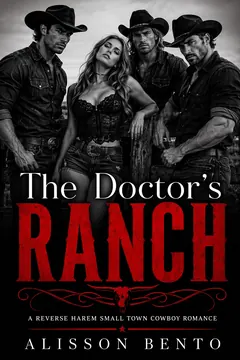
From Alisson Bento’s books
Small Town · Cowboy & Western
A cowboy romance about one heroine, more than one devoted hero, and no choosing.
Kindle edition · Check Kindle Unlimited availability on Amazon.
Low stakes can still carry strong feelings
A romance does not need a dangerous villain to create momentum. An adult deciding whether to stay in town may risk a beloved friendship, a business dream, or the possibility of a future with someone who cannot easily leave. Those stakes are personal and can feel substantial without turning the book into suspense.
Low external stakes also differ from low emotional strain. Two characters planning a harmless festival might struggle with rejection or an old loss. Conversely, a demanding practical problem may feel reassuring when the adults approach it as partners. Look at the relationship’s emotional weather as well as the scale of the outside problem.
Can a cozy romance include grief?
It can, but the label alone will not tell you how much space grief occupies or how closely the prose follows it. Some readers find a tender story about rebuilding after loss comforting. Others want distance from that subject. Neither preference is a failure to appreciate romance.
Seek specific content notes if a theme matters to you, and consider whether the description emphasizes healing, ongoing distress, or a new beginning. A reassuring ending may be welcome while the journey still asks more emotional energy than you have tonight.
Three invented premises show why the distinction matters
Consider three fictional romances featuring adult protagonists in the same town. In the first, a newcomer opens a repair shop and falls for a neighboring florist. Their strongest obstacle is coordinating different plans for the future. Friends respect their privacy, and humor carries the awkward moments. This premise suggests small-town warmth with relatively contained conflict.
In the second, two adults work together on a community fundraiser while one faces a difficult family estrangement. The town provides friendship, but the personal story brings heavier emotion. It might still feel cozy to a reader who enjoys compassion and repair; it might feel too demanding to someone seeking almost no angst.
In the third, an adult returns to town carrying a secret that could threaten another person’s livelihood. Attraction develops amid suspicion and public scrutiny. The setting remains small-town, yet the premise points toward a more pressured reading experience. You would need further information before calling it comforting.
The useful comparison is not which premise is better. It is which one matches the mood you want. Even identical scenery can host different heat levels, conflict patterns, and emotional demands.
Read the description for promises, then sample the tone
Start with the blurb’s verbs. Are the adults restoring, helping, settling, hiding, fleeing, investigating, or fighting? These words are clues to the work the plot asks them to do. A phrase such as “a fresh start” can be hopeful without explaining how difficult the starting point is, so keep reading for concrete circumstances.
Next, examine the relationship obstacle. Shared schedules suggest one kind of tension; a serious deception suggests another. Ask whether the attraction feels like refuge from outside trouble or whether the relationship itself supplies much of the distress. Both are valid romantic experiences, but they offer different forms of comfort.
A reading sample can help you notice humor, narrative warmth, dialogue, and how characters respond to embarrassment. It cannot establish every later scene. Use separate book information for heat, specific content boundaries, and ending continuity instead of assuming the opening contains all the relevant evidence.
- Write down one mood requirement, such as reassuring humor or limited external danger.
- Add your intimacy preference in separate terms.
- Check any subject you specifically want to avoid or approach carefully.
- Read enough of the opening to assess voice and how the adults treat one another.
If a recommendation says a book is comforting, ask what made it feel that way: the supportive couple, limited danger, funny side characters, or a hopeful recovery arc. The answer may reveal that you and the recommender mean different things by cozy. You can still value their enthusiasm while choosing according to your own boundaries. A short preference note after reading can help next time: “Loved the welcoming neighbors; wanted less conflict inside the couple.” That is a useful description of taste, not a verdict on every small-town book.
Search for the combination, not the postcard
Can cozy romance happen outside a small town? Yes. Comfort can develop inside an apartment building, a city neighborhood, or a workplace when the story’s tone and relationships create it. Likewise, a rural landscape is not required for a supportive community. The scale of the address and the feel of the reading experience are separate choices.
Does small-town romance mean cowboy romance? Not necessarily. A town may contain a ranch, but the central adults could run a shop or work in entirely different fields. If the ranch world is part of your appeal, choose that setting deliberately; the cowboy romance guide is a useful place to explore that preference.
Try a search phrase built around your actual combination: “small-town romance, low angst, closed-door,” or “cozy adult romance, open-door, welcoming community.” These are preference examples, not promises that every matching result meets them. Read the individual description before choosing.
Small-town romance gives the couple a social world. Cozy romance suggests a possible feeling within that world. When you name the setting, tone, heat, and boundaries separately, you give yourself a better chance of finding the particular kind of warmth you want to spend an evening with.