Billionaire romance is one of the most durable shelves in contemporary romance, and its heroes tend to reflect where fortunes are made. The wealthy hero has long been an heir or a tycoon; today he may just as easily be a tech founder or an executive whose company’s power is hard to see. That shift matters if you are choosing a book. It changes what the money means, how danger arrives, and what kind of control a reader is asked to find attractive.
From old money to tech founders
Wealthy heroes are older than the modern genre. Jane Austen’s Mr Darcy is famously rich, with an estate and an income that make him a catch, yet the novel is far more interested in pride, prejudice and what a man does with his advantages than in his balance sheet. F. Scott Fitzgerald’s Jay Gatsby builds a fortune in The Great Gatsby in order to win back a woman he once loved, and the novel is clear about what that kind of wealth costs everyone around him. Both books show the root of the fantasy: money gives a man options, and the story asks what he will do with them.
Modern billionaire romance inherits that question but changes the source of the money. Earlier heroes often inherited land, shipping lines or mills. Some newer heroes are founders who built companies around software, platforms or data, which makes their power harder to see and harder to measure. A tech founder can seem remote, even benign, while controlling systems that touch thousands of people. That gives writers a richer kind of danger: not a rival with a gun, but an algorithm, a contract clause or a company that knows more than it should. The shift matters because it changes what readers are asked to admire.
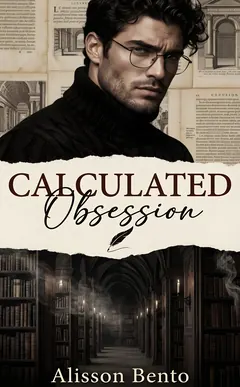
From Alisson Bento’s books
A billionaire romance about hate, sparks and the moment the line between them burns.
Kindle edition · Check Kindle Unlimited availability on Amazon.
What readers look for in a wealthy hero
For many readers, the appeal is not wealth as a shopping list but evidence that a hero is capable. The most satisfying billionaires solve problems: they negotiate, read the numbers, understand the people involved and act decisively. Competence is attractive in any hero, but in a billionaire it has to be shown on the page, because money alone can do the work for him. A character who simply buys a solution is less interesting than one who can explain why the solution matters.
Readers also look for protection. Many billionaire heroines are vulnerable in some way: short of cash, facing a legal threat, or caught between powerful people. A hero who can shield her is appealing, but the best books make protection a shared decision. If you enjoy protective heroes, Billionaire bodyguard romance: safety inside a world of resources explores how bodyguard and safety plots work when the protector also has resources. Finally, readers want generosity with boundaries. A hero who offers help without demanding that she surrender her own judgement feels trustworthy. A hero who uses his help to control her feels like a different book entirely.
Money as plot pressure, not decoration
A common weakness of the subgenre is treating money as wardrobe. Designer clothes, private jets and penthouse views are pleasant, but they do not create conflict on their own. The stronger books make money a source of pressure. Debt, deadlines, takeovers, legal disputes and creditors all give a story things to do. They also make the romance more believable, because two people with real obligations have to find time for each other rather than simply enough money to ignore their problems.
Rescuing Vale Ranch is a good example at a modest scale. Mara Vale starts each morning with a bank notice and a debt of more than one hundred eighty-seven thousand dollars, with eighty-three days left to cure the default. The hero is a billionaire in hiding, and the ranch’s money problems sit at the centre of Mara’s decisions about who to hire. At the other end of the scale, Derailed by the Billionaires puts a corporate rescue specialist in front of a rail company that owes $290 million to a creditor, with sixty days to avoid liquidation and twelve thousand jobs at stake. Its financial trouble is tied to a founding pact that requires three estranged men to agree on major decisions, which is where the reverse harem structure begins. Money in that book is not background; it is the reason the characters must be in the same room.
The best money plots also let the wealth be insufficient. A billionaire can buy time, lawyers or security, but he cannot buy trust, a clean conscience or a family’s forgiveness. When a story shows the limits of money, the romance has to work harder, and readers feel the difference. Billionaire romance relationship dynamics: what money cannot solve looks at this idea in more depth, and it is a useful lens for any billionaire book you are considering.
Money also changes the ordinary courtship. When one partner can pay for dinner, a flight or a new roof, the simple acts of splitting costs and choosing where to go become emotionally loaded. A well-written book lets the characters talk about this openly, whether that means a heroine insisting on paying her share, a hero learning that a gift is not always welcome, or both of them admitting that the imbalance makes them uneasy. Those small scenes often reveal more about a relationship than the big set pieces do.
When the billionaire is dangerous
Some billionaire romances have a darker edge: the hero is morally grey, the setting is a surveillance-heavy company, or the heroine is held somewhere she cannot leave. These stories can be gripping, but they change the contract with the reader. A dangerous hero is not automatically a bad sign, and a morally grey man can be a compelling romantic lead. The question is whether the book is honest about what he has done and whether the heroine’s choices remain her own.
The Alpha’s Algorithm is a morally grey tech billionaire captive romance. Security researcher Maya Pager finds a flaw that could turn a maintenance certificate into authority over banks, hospitals, transit and home access, and the danger reaches into her apartment. It is a suspenseful premise built on technology and control, and it suits readers who want a thriller that happens to be romantic. A captive premise and a grey hero mean it is not a light read, so check the content notes before you begin. The technology is the menace here, which makes the story feel close to the systems many readers use every day.
Spotting a controlling hero: what to watch for
Control is the subgenre’s most common problem and its most divisive appeal. Readers enjoy a hero who is used to getting his way, but they often draw a line at a man who isolates the heroine, makes her career decisions for her or treats her money as his to manage. The best billionaire romances show power that is exercised outward, against rivals and threats, and then put checks on how it touches the heroine. Watch for whether she keeps her friends, her job, her decisions and her own bank account.
Revenge plots test that line especially well. Cornered with the CEO is a billionaire revenge-and-redemption romance in which journalist Noelle Voss receives evidence that the source material behind her career-making investigation was manipulated. Her decision to test the metadata and file records rather than accept absolution at face value is what makes her interesting, and it places the hero’s power in context. Dominic has already retaliated against her, but she is the one checking the facts. A revenge story works when the heroine is not simply a target for someone else’s wealth.
Choosing your heat and your darkness
Billionaire romance covers the whole range of intimacy, from sweet and slow to open-door, and a hero’s wealth does not tell you how explicit the page will be. Start with the description, the tropes and any content notes. Terms such as captive, morally grey, revenge or bodyguard are clues to tone rather than promises about heat. A book can have a dark premise and still be restrained on the page, or the reverse. If a dark theme is a line you do not want to cross, read the notes first and decide before you buy.
It also helps to separate heat from harm. A hero can be intense, or ruthless toward his enemies, while the romance itself respects consent and the heroine’s agency. Equally, a billionaire romance can be warm and playful with no suspense at all. Knowing which of those you want means you can choose the right book without a bad surprise halfway through.
How to choose your next billionaire read
Begin with the source of the wealth. Old money, a family business, a self-made fortune, a tech empire and a corporate turnaround each put different pressure on a relationship. A family heir may fear being valued for a name; a founder may be caught between growth and conscience; a turnaround expert may be too busy to notice that the people around him are hurting. Then ask what the story wants the money to do: provide escape, rescue, revenge, leverage or a cushion for ordinary life. The answer usually tells you whether the book suits you.
Then consider the structure. A single billionaire with one partner gives the romance intimacy and focus. A reverse harem story, like the one in Derailed by the Billionaires, spreads attention across several men, and the business plot becomes part of the relationship politics. Be sure you know which shape you are choosing. Rescuing Vale Ranch is a different experience again: a stranger arrives asking for ranch work, and Mara, who notices his new calluses and careful speech, offers only a tightly defined two-week trial while the bank deadline keeps running.
Is a billionaire romance always about money?
No. Money frames the story, but the best books are about trust, choices and the people who keep a wealthy hero honest. If the wealth disappears from the plot for long stretches and the relationship still carries weight, the book is doing its job.
What if I want the wealth to stay in the background?
Look for protection plots, small-town settings, or stories where the hero keeps a working life and his money is used quietly. The subgenre has room for billionaires who do not flaunt the trappings, and a billionaire-in-hiding premise is one way to get that balance.
How do I avoid a controlling hero?
Read for the heroine’s voice in the sample. If she has her own goals, opinions and ways of saying no, the book is likely treating her as a partner. If the hero’s control is presented as romance with no consequences and no pushback from the heroine, choose something else. Check the content notes, and remember that a book can be intense without asking you to admire control.