
Start with the kind of darkness you want to see. For a vampire mystery with attraction woven into the investigation, consider Carmilla: The First Vampire. For a disturbing relationship origin, look at Harleen. For desire complicated by supernatural bargaining, try the opening volume of Fine Print. A Guest in the House belongs on the horror side of this map, while Sunstone offers a useful contrast: explicit adult romance is not automatically dark romance. These are five different reading routes, rather than five interchangeable promises of a comforting ending.
The phrase “dark romance graphic novels” often gathers together books that share little beyond an intense cover. A graphic novel can depict desire, danger or an intimate relationship without making the couple’s happiness its central destination. Choosing well means noticing what the book asks you to follow: a romance, an investigation, a frightening marriage, a downfall or an erotic fantasy. The drawings matter too. In comics, an image can reveal something before dialogue acknowledges it, and the space between panels leaves the reader to connect actions.
The Quick Choice: Which Relationship Question Interests You?
Choose Carmilla if the appealing question is how attraction changes an investigation. Choose Harleen if you want to examine fascination inside a dangerously unequal relationship. Choose Fine Print if the fantasy of an answer to heartbreak is more tempting than a realistic courtship. Choose A Guest in the House if marriage, secrets and uncertainty sound more compelling than the assurance of a romance resolution. Start with Sunstone if adult desire and an evolving relationship are the main attraction, especially if you were using “dark” simply to mean sexually explicit.
That last distinction prevents a common disappointment. A story about consensual kink is not equivalent to a story about coercion, and a horror comic involving desire is not automatically an erotic romance. You can enjoy several of these directions without wanting them on the same evening. Treat this as a comparison of reading experiences to investigate, not a ranking from mildest to most extreme. There is no reliable universal scale connecting frightening imagery, sexual detail and emotional distress.
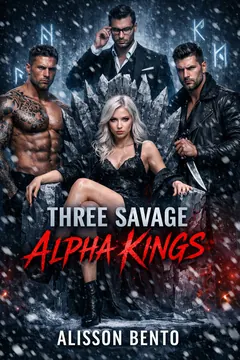
From Alisson Bento’s books
A shifter romance about one heroine, more than one devoted hero, and no choosing.
Kindle edition · Check Kindle Unlimited availability on Amazon.
Carmilla: Follow the Attraction Inside a Vampire Investigation
Amy Chu and Soo Lee’s Carmilla: The First Vampire at Dark Horse is catalogued as mystery and horror, with a 16+ age designation. Its premise brings an investigation and attraction together. That makes it a useful starting point for readers whose interest in dark romantic comics begins with vampires rather than with a particular relationship trope.
The important selection question is whether you want the mystery to keep its own weight. A vampire can function as an object of fascination, a possible threat, a clue or some combination of those possibilities. A reader who primarily wants time with a couple may therefore make a different choice from someone who enjoys following uncertain motives. Neither preference is more sophisticated; they simply ask the book to spend its attention differently. Read the sample with that distinction in mind rather than expecting every suspicious encounter to become a courtship scene.
There is also a difference between being drawn toward danger and being assured that the dangerous figure will become a suitable romantic partner. An investigation premise creates room for doubts that a conventional romantic introduction might resolve sooner. If that uncertainty is part of the appeal, this is the route to explore. If it is exhausting, begin elsewhere. Our guide to vampire romantic suspense can help articulate whether the mystery or the relationship is doing most of the work for you.
When comparing an edition, keep Amy Chu and Soo Lee in the search. Carmilla is also the title of the older prose work that inspired this graphic narrative, and sharing a title does not make different adaptations the same book. Check the creative team and full subtitle before borrowing or buying. This is particularly useful when a catalogue mixes novels, adaptations and other vampire comics in one search result. The title alone is not enough to identify the reading experience discussed here.
Harleen: A Relationship Origin With a Different Destination
Stjepan Šejić’s Harleen collection at DC brings together issues one through three and carries a Mature rating. DC’s first-issue description explicitly presents the relationship as tragic. This is the clearest choice here for readers interested in an intimate downfall, rather than for readers seeking reassurance about a couple’s future.
The premise is especially uncomfortable because professional judgment and personal fascination can pull in different directions. A doctor and a patient do not begin from the same position as two strangers meeting at a party. For reading purposes, that inequality is a reason to examine the relationship, not a shortcut to calling it more passionate. Ask whether your interest lies in understanding a character’s choices even when you would not want those choices rewarded. That is a different emotional project from watching two people build a trustworthy partnership.
This makes Harleen a poor substitute when the request is simply “a romance with a dangerous hero.” Familiar character names may suggest that you already know the shape of the relationship, but a particular retelling still has its own viewpoint and emphasis. Look for the book by title and creator instead of choosing any Harley Quinn volume with the Joker on the cover. The collection’s contents give a concrete way to identify it without needing to navigate every version of the wider superhero universe.
For a book club, the productive discussion is not whether an attractive drawing excuses troubling conduct. It is how a story can make fascination understandable while leaving the relationship disturbing. That question allows readers to disagree about sympathy, proximity and narration without confusing depiction with endorsement. It also gives you a meaningful reason to choose this comic over Carmilla: you are selecting a relationship’s damaging trajectory, rather than starting with a mystery in which attraction complicates the inquiry.
Fine Print: Desire as a Supernatural Bargain
In Fine Print, volume one, also by Šejić, heartbreak leads Lauren Thomas toward a bargain involving a deity of desire. Image Comics rates the volume M. The key attraction for this guide is the supernatural transaction: the promise of relief can itself create the reason to keep reading.
A bargain changes the questions you bring to a romantic fantasy. Instead of asking only whether two people belong together, you can ask what someone hopes desire will repair. Is the fantasy appealing because it removes loneliness, offers recognition or allows an escape from an unwelcome version of life? Those are reader questions suggested by the setup, not claims that every one becomes a separate plotline. They help explain why a supernatural premise may suit a particular mood better than a realistic account of dating after disappointment.
The title also invites a useful way to approach the sample: pay attention to the difference between what is offered and what a character wants to hear. You need not know the outcome to decide whether that kind of uncertainty attracts you. Someone looking for ordinary intimacy may find the transaction more distracting than enticing. Someone interested in temptation and unequal knowledge may find precisely that complication appealing. It is a fantasy-led choice, not evidence that divine characters automatically make a book darker or more explicit than other adult comics.
Do not treat the first volume as a guarantee of a completed relationship arc. A volume number identifies a place to begin, not the location of every resolution. Likewise, the same creator being responsible for Harleen, Fine Print and Sunstone does not make those books alternate covers for the same emotional experience. Here, that shared credit is useful because the premises differ so sharply. Choose the bargain if that is the question you want to pursue; choose the other works for their own relationship structures.
A Guest in the House: When the Reading Promise Is Horror
E.M. Carroll’s A Guest in the House at Macmillan is explicitly presented as adult horror. A marriage and the shadow of a previous wife sit at its centre. Those facts make it relevant to readers seeking darkness around intimacy, but they do not turn it into a promise of genre-romance satisfaction.
This is the route for someone interested in what it feels like when a domestic space becomes difficult to interpret. A house in a story can suggest security, belonging and a shared future; it can also make privacy, memory and exclusion unsettling. The reader deciding between this book and Fine Print is therefore choosing between two very different starting pressures. One begins with the appeal of a possible remedy for heartbreak. The other directs attention toward a relationship and a household that may not mean what they first seem to mean.
Our Gothic romance guide explores the appeal of secrets and an unsettling house. For this particular graphic novel, however, retain the publisher’s horror framing. Gothic atmosphere can be a bridge between reading tastes without erasing differences in the destination. If your non-negotiable requirement is an emotionally reassuring conclusion for a central couple, establish that separately before choosing a horror book on the strength of its romantic elements.
The format also changes how to sample this route. Try several consecutive pages, not only a striking illustration circulated online. One image can show a character, but a sequence lets you test whether uncertainty, pauses and visual transitions hold your attention. That is especially useful when choosing a book for atmosphere. The relevant question is not simply whether you would hang the art on a wall; it is whether you want to follow a story told through that sequence of images and words.
Sunstone: The Useful Contrast to “Explicit Means Dark”
Šejić’s Sunstone at Image Comics is presented as lesbian romance. The official distributor’s description identifies negotiated BDSM and an adult audience. It belongs in this comparison because it helps separate sexual explicitness from relationship danger, rather than because kink should be classified as darkness.
If your original request meant “a graphic novel that takes adult attraction seriously,” this may be the more useful direction to investigate. In a reading choice, vulnerability can create tension without requiring a predatory partner. Being seen, stating a desire or risking rejection can matter alongside sexual content. Those possibilities offer a different reason to be invested from the uncertainty surrounding a vampire investigation or a frightening marriage. You do not have to seek the most threatening premise to find emotional stakes.
The comparison with Harleen is particularly instructive. A shared creator credit does not erase the difference between negotiated intimacy and a relationship framed as tragic. Calling both simply “dark” would hide the most useful information from the reader. It would also make a poor recommendation for someone who has asked specifically for either danger or consent-aware erotic romance. State which experience you want instead of assuming that visible sexual material predicts the moral structure of the relationship.
There is a practical edition issue as well. Image’s new volume-one paperback is a smaller format with new cover art. If the sample you enjoy comes from another physical edition, compare the actual dimensions and contents before assuming the copies will feel identical in the hand. This does not require collecting every version. It is simply a way to avoid buying an edition that makes lettering or panels less comfortable for your own reading preferences.
Read the Page, Then Check What the Volume Contains
A useful sample test has two parts. First, read a complete short sequence without stopping to inspect isolated artwork. Notice whether you can follow speaker changes, movement and the order of the panels comfortably. Then return to a page you found compelling and ask what kept you there: an expression, dialogue, a withheld answer or a visual transition. These are general ways to assess comics, not assertions about a particular unexamined page in the five books above.
This matters when moving from prose because a sparse page is not necessarily an empty page. A pause can carry information, while a dense speech balloon can slow the reading pace. Your preference may also depend on the device or print size. If a digital sample requires constant zooming, try a legal preview in a larger display before deciding the storytelling itself is difficult. Avoid assuming that every digital edition offers the same navigation features; examine the actual preview for the format you intend to use.
After the sample, check contents rather than relying on a prominent “book one” label. A single issue, a paperback volume and a larger collection can cover different amounts of the same story. Harleen gives a clear example because DC identifies the three collected issues. With a serial such as Fine Print or Sunstone, use the volume’s own catalogue record to establish your starting point. Neither a high page count nor a handsome hardback is proof that the entire series is included.
Choose the Next Book for the Evening You Actually Want
Imagine two readers asking for the same dark romantic comic. One wants the unease of not knowing what a stranger intends and starts by sampling Carmilla. The other wants an intimate relationship with adult sexual content and investigates Sunstone. A third reader may prefer the tragic framing of Harleen. These are hypothetical choices, but they show why a recommendation becomes more helpful when it names the desired experience instead of simply intensifying the adjective “dark.”
For translated editions, keep the creator names and original titles from this guide as identification anchors. A local title, cover or volume grouping can differ, and an English publisher page is not proof that a translation exists in your language. Compare the local publisher’s contents and language field before purchasing. The links here identify the original works; they do not promise current stock, subscription access or identical publication schedules across countries.
Choose one route and sample its opening rather than buying the whole comparison at once. If you discover that the drawings are less important to you than the romantic premise, return to the Alisson Bento book catalogue for prose possibilities. If the panels are the attraction, let format and relationship expectations guide the next choice together. The most useful dark romantic graphic novel is the one whose kind of desire, uncertainty and storytelling you actually want to spend time with.