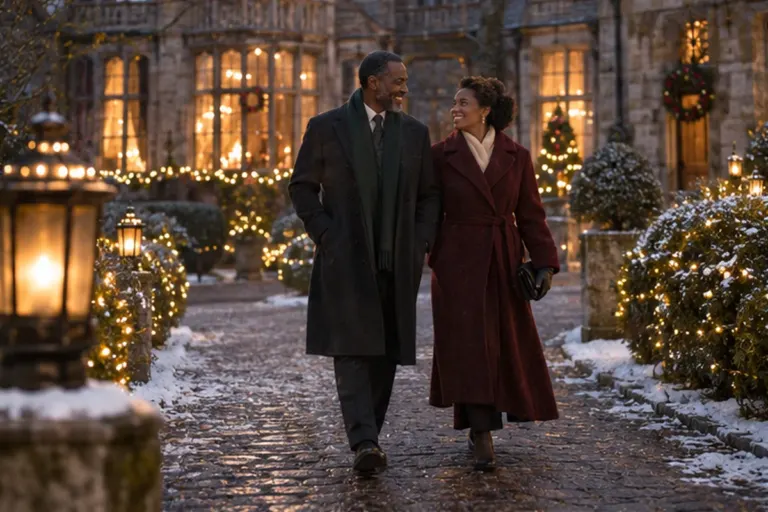
Joanna Nell’s The Single Ladies of Jacaranda Retirement Village and Helen Simonson’s Major Pettigrew’s Last Stand put new attraction into two very different routines. Nell’s Peggy Smart is a seventy-nine-year-old pensioner who would like to invite her neighbor Brian to dinner. Simonson’s retired Major Ernest Pettigrew is drawn to Jasmina Ali, a shopkeeper in his English village. Try the first for the daily life of a retirement community and the anticipation of an invitation. Try the second for a friendship with a village watching closely enough to have an opinion.
Begin with the week each person already has
A romance after retirement can turn on a surprisingly ordinary question: when would you like to see me again? An author can answer it in a sentence, or use it to show what the people have built over years of living on their own terms. A person may have left paid work and still spend every Tuesday teaching a grandson to cook. Someone who is still working may guard the hour they get to read the newspaper before opening the shop. When two characters start to see each other, each brings a real week to the table.
Imagine a man who has walked along the same river every morning for fifteen years. He begins to stop for coffee because a woman he likes is there most Wednesdays. She has recently started coming into town on Wednesdays to have lunch with a friend. He proposes a long walk one morning. She says she has forty minutes and would love to see the lock gates. The important decision comes when he chooses the shorter route and discovers that he likes it. You can see him find room for her without losing something he genuinely enjoys.
If you want romance to grow from that kind of attention, sample a few pages before the first outing. Look for something each person does for their own pleasure. A change in an established habit has more weight when you understand what the habit gave them. You can also look for the small signs that one person has started counting on the other. A second cup on a table or a question about next week may tell you more about a courtship than a long speech.

From Alisson Bento’s books
Vampire
A vampire romance about a captive bargain that turns into the only place she wants to be.
Kindle edition · Check Kindle Unlimited availability on Amazon.
Consider a dinner invitation at Jacaranda
In Joanna Nell’s book, Peggy Smart lives in a retirement village. Her routine includes aqua aerobics and appointments. She enjoys watching Brian leave for his morning swim and would like to invite him to dinner. He is a widower and serves on the residents’ committee. The publisher describes a story about friendship as well as love. Pick up the book if you want to spend time in the community that exists around Peggy while she considers how to change her own routine.
The invitation gives a prospective reader a sense of scale. Peggy can act on her interest by asking someone she already sees to spend a different kind of time with her. That sounds simple until you picture how often the two might cross paths after a dinner, or after a declined invitation. A book set among recurring neighbors can make a quiet evening feel like a big step even before anybody else hears about it.
One way to use the sample is to look at what Peggy notices on an ordinary day. A familiar face can be part of the background for years before it becomes the face someone hopes to see. If you like that gradual change, give yourself enough pages to get a sense of Peggy’s voice and the life she leads beyond Brian. The prospect of dinner can matter more when you have some idea what it takes for her to ask.
Hachette’s page for The Single Ladies of Jacaranda Retirement Village
Make time around a shop that still has to open
Helen Simonson’s Major Pettigrew’s Last Stand introduces a retired major and a widowed shopkeeper, Jasmina Ali. They have an interest in books in common and have both experienced loss. The story takes place in an English village where other people have ideas about what a relationship between them means. The publisher describes a story in which family obligations and traditions make the pursuit of happiness complicated. It is a good starting point if you like reading about what happens when an established community sees two people in a new light.
A shop gives a writer a concrete way to put two schedules in the same room. Imagine a retired character with plenty of time to browse and a shopkeeper whose supplier is running late. They can talk for as long as the door stays shut, or they can pick up the conversation during a walk after closing. Those choices offer a reader different pleasures. In one, you can listen for how people talk when they might be interrupted. In the other, you can see what changes when they have agreed to spend time together.
When you sample Simonson’s book, see whether you enjoy hearing the village’s voice alongside the quieter exchanges between the people at its center. A book like this can offer the satisfaction of watching someone put a new relationship ahead of other people’s expectations. The pressure means more if the reader understands why the place has mattered to the characters for so long. If you love stories where a shared interest draws people together, pay attention to what they enjoy speaking about before anyone calls it a courtship.
Penguin Random House’s page for Major Pettigrew’s Last Stand
Look for how they spend a second afternoon
A first date may give a couple a pleasant surprise. The next meeting is where a book can show whether they are curious about each other’s ordinary life. One person may offer a repeat of the first date because it went well. The other may suggest something they have never done together. Either can make a satisfying scene when the suggestion comes out of a detail you heard earlier.
In an invented example, Patrick and Ruth first meet at a daytime film screening. Ruth tells him the best part of going alone is staying for the credits. A week later, he suggests a second film and asks whether she would like to go for coffee afterward. The café closes early. He could push for leaving before the credits, suggest walking to a bakery that stays open, or decide to meet her some other time. The decision gives the reader a small way to see if he heard her.
A book can make a routine exciting without replacing it. Perhaps Ruth has been to that cinema every week since the seats were reupholstered. Patrick can add something by telling her what he noticed in a scene she took for granted. If you like courtships that develop slowly, look for these changes in conversation. A second meeting may go to the same place while telling you something you could only learn once the people have begun to pay attention.

From Alisson Bento’s books
Vampire
A vampire romance about a hero who claims her and never lets anyone forget it.
Kindle edition · Check Kindle Unlimited availability on Amazon.
Follow the commitments each person wants to keep
Retired protagonists can still have full days. A novel can use volunteer work, family visits, friendships, a part-time job, errands or a long-standing project to let you see what they care about. You might enjoy reading about someone delighted to leave a committee after years of taking minutes. You might prefer a protagonist who looks forward to their shift and would be disappointed if a new partner assumed they wanted to give it up.
Picture Sylvia, who has spent three years helping a community garden run its Saturday seed table. When Ian asks her to lunch, she suggests a later hour. He offers to pick her up just as the table closes. She says she likes staying for tea with the other volunteers and will meet him at the restaurant instead. The romance has room to move because she can say which part of her morning matters. When he orders an extra glass of water because he knows she has been outside for hours, you can see what he did with that information.
Consider what kinds of commitments you want on the page before choosing a book. A story with a local committee can let you watch a couple get to know each other through work they both care about. A story built around unrelated interests can make the first invitation to visit the other person’s world a milestone. If a synopsis mentions the things each character is busy doing, see which ones remain interesting after you imagine taking the couple out of the picture.
Choose how much of the community you want to meet
A retirement village can give you recurring people and places close enough for characters to meet without making a formal plan. A neighborhood with shops and households can do the same thing with a wider set of errands, working hours and loyalties. The useful question for a reader is how much time the author spends with the people who keep showing up. One reader wants a talkative neighbor to come back with a story of her own. Another wants every spare minute to go to the couple.
An ensemble can make an early encounter easier to picture. Imagine a community hall after a birthday lunch. As two people decide whether to walk home together, a neighbor needs help carrying a folding table. They can go on with the walk once the work is done. You may like a scene that makes room for the little interruption and shows how the pair works together before anyone says they are in love. You may prefer to follow them out the door and hear the question one of them has been trying to ask all afternoon.
Look at the first substantial conversation in your sample. Who starts it, and does anyone else have a reason to be in the room? If there is a second conversation in the same place later, see whether the room feels different because something has changed between the two people. A returning shop, pool or village lane can be a familiar stage for a relationship that keeps moving. Choose the book in which you can imagine wanting to go back.
Start with the book you want to hear on the page
Choose Peggy Smart’s story if the image of a neighbor preparing to ask another neighbor to dinner interests you. Pay attention to Peggy’s view of a familiar day and how early you want her to have someone to share it with. The community setting gives you a chance to read for friendships as well as attraction. If you are drawn to lively company and an invitation that means a lot to the person making it, start there.
Choose Major Pettigrew’s Last Stand if you want the relationship to grow among obligations, established ways of seeing people and family history. Notice whether the dry humor the publisher describes appeals to you when you read a few pages. Some readers enjoy hearing the point of view of a village just as much as hearing what a couple tells each other. You can check how much space the book makes for both before choosing it for a long evening.
Use the title and author together when you search for either book. Check the language and format on the actual listing. An audiobook preview can tell you whether a narrator’s performance makes the exchanges easy to follow. For an ebook, start where you can see the character make one ordinary decision and imagine what will happen if that decision changes next week. The first chapter has already done useful work if you find yourself hoping someone asks for another afternoon.
A final way to choose is to think of the relationship moment you most want to read. You might be waiting for the person who usually opens the shop early to make time for a walk. You might want the woman who can see her neighbor from the window to ask him over for a meal. The two choices give you different evenings, and each begins with someone deciding how much of a familiar day they would like to share.
A printed book can also make it easier to look back at an earlier conversation when a small habit becomes important. If you try the audio edition first, listen for a phrase or a place you will recognize when it comes around again. A short exchange about a favorite book or a swim at the usual hour can be enough to make a later invitation feel earned.