Try Maggie Knox’s The Holiday Swap if you want twins deliberately trading jobs and hometowns before Christmas. Pick Ally Carter’s The Blonde Identity for a woman who wakes up in Paris and has to work out why other people think she is a spy. Start with Paullett Golden’s A Counterfeit Wife if you want a marriage that already happened when a man discovers he married someone other than the woman he expected. Each of those stories begins with a believable reason for someone to make a wrong assumption. They differ in what someone will admit once the assumption becomes inconvenient.
The seven recommendations here include mistaken twins, espionage, a historical mix-up and a marriage under the wrong name. You can choose how long you want the misunderstanding to last. A quick correction gives two people a chance to get to know each other on different terms. A long concealment can turn the first conversation after the reveal into the scene you have been waiting to read.
What is the mistaken identity trope?
Someone believes one person is another. That belief might come from a familiar face, a role the person appears to be performing, or a name attached to the wrong person. Sometimes nobody meant to fool anyone at first. Sometimes one character knows exactly why the mix-up has happened and lets it continue. In a romance, the mistake becomes important when it changes what the characters think they have chosen or what they are willing to tell each other.
A secret identity begins with someone trying to hide a part of their own life. Mistaken identity begins with what somebody else assumes. Both can happen together. Cass and Charlie choose to switch places, and everyone they meet afterward judges them through the information they have been given. The heroine of The Blonde Identity has to discover both who she is and why other people are sure she is someone else. For the separate question of when a person chooses to disclose a private role, see the secret-identity romance guide.
A wrong number can create a similar uncertainty with a smaller starting point. The people can respond to each other before matching a face to the words. A mistaken bride or groom usually brings an obligation into the situation much sooner. Before choosing, consider what you want the characters to have to sort out. A name can be corrected easily. A home, a job or a marriage can carry expectations the person with the wrong name did not create.
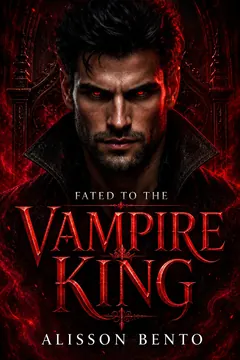
From Alisson Bento’s books
Vampire
A vampire romance about a captive bargain that turns into the only place she wants to be.
Kindle edition · Check Kindle Unlimited availability on Amazon.
The Holiday Swap by Maggie Knox
Charlie Goodwin is a chef working on a television baking show in Los Angeles. A head injury leaves her unable to taste or smell, abilities she needs for judging. Her identical twin Cass is managing the family bakery and a difficult personal situation in their hometown. When Charlie asks her to switch places, Cass agrees. They are each temporarily living in a role the other knows better. The publisher identifies a firefighter, Jake Greenman, and a physician assistant, Miguel Rodriguez, as people who make their plans more complicated. Penguin Random House edition
Choose this if you want to understand both sides of a swap, including what each sister thinks she will gain. Her twin’s ordinary work looks manageable until someone expects her to know the small habits that are usually automatic. There is also a calendar. They make the trade just before Christmas, which gives them a reason to believe it can be left behind once the season has passed. The book is a good first choice for a holiday setting and a misunderstanding the two women agreed to cause.
Things We Never Got Over by Lucy Score
Naomi Witt goes to Knockemout, Virginia, after leaving her own wedding plans behind. Her twin Tina takes her car and money and leaves Naomi caring for a niece she had never met. In the opening, people are ready to judge Naomi from Tina’s reputation. Knox Morgan, a barber who would normally stay away from other people’s troubles, becomes part of Naomi’s life as she tries to find her footing. The publisher presents this as a small-town grumpy/sunshine romance. Sourcebooks edition Hachette’s opening excerpt
This is a good choice if you want a mix-up involving twins to lead into a bigger story about family and the lasting effect of somebody else’s choices. Naomi can explain who she is. That still leaves her with a child who needs care and a town whose people have their own opinions about her sister. The recognition scene has consequences after a mistaken name has been corrected. When you choose it for that reason, you get a story about what someone does after being taken for the wrong person and about whether the people around them are willing to look again.
The French edition is Ces choses qu’on n’oublie pas, the Spanish edition Cosas que nunca dejamos atrás, the Brazilian edition As coisas que nunca superamos, and the Italian edition Cose che non abbiamo mai superato. Ullstein keeps the English main title for its German edition. If an age recommendation was part of your search, this is an adult contemporary romance. The publisher’s excerpt gives a way to check the dialogue and tone before choosing it for a reader. For the sequence of other Lucy Score books, use the Lucy Score series guide. French edition listing Spanish Chic edition Brazilian Alta Books edition Italian Newton Compton edition German Ullstein edition
It Seemed Like a Good Idea by Lauren Blakely
A lavender farmer lives in the small town where her identical twin sister is shooting a movie. The actress’s presence brings cameras, attention, and a bodyguard into the farmer’s ordinary life. Blakely explicitly lists mistaken identity, bodyguard romance and only one bed among the tropes. This is a contemporary romantic comedy for readers who want both the family resemblance and a practical reason for the leads to keep seeing each other after the first encounter. Lauren Blakely’s book page
Compared with The Holiday Swap, the appeal here is the meeting of a private routine with a public job. Somebody who wants a picture may care mainly about which sister resembles a movie star. The romance has time to ask how each person wants to be seen without those assumptions. Choose it if a protective love interest or a shared room drew you to this search. The site also compares other only-one-bed books by setting and relationship.
The Blonde Identity by Ally Carter
A woman wakes up in Paris with almost no memory. Other people are sure enough of who she is to be looking for her. She has a twin sister who is a spy, and the man helping her has information she needs. The pair pretend to be honeymooners as they try to learn why the sister is in danger. Choose this adult romantic comedy for a fast-moving trip, action and a heroine who gets to learn facts about her own life at the same time the reader does. Ally Carter’s book page
Here the difference between being recognized and being known is consequential. A person pursuing a resemblance can have the wrong goal. Someone who knows more than the heroine can still choose the details they are prepared to share. This gives the romance a specific first question about trust. The lead needs information to make decisions, and attraction adds a reason to care whose version turns out to match her own experience.
The Spy and I by Tiana Smith
Dove Barkley works in cybersecurity. Other people mistake her for her sister, whose work as a spy is news to her. A man named Mendez claims to be her sister’s partner. Dove must decide what she can rely on while there is still time to help her sister. The publisher calls the novel a romantic comedy with a case of mistaken identity at the start. Choose it for a heroine who arrives with her own area of expertise and must figure out who can explain the things she does not already know. Penguin Random House edition
Carter and Smith both offer mistaken-sister adventures. The lead in The Blonde Identity is learning about an immediate gap in her own past. Dove knows who she is and what she does. She needs to understand the other life people have assigned to her. If you remember the plot but have forgotten the title, think of the opening. Paris and amnesia point to Carter. A cybersecurity analyst named Dove and a man called Mendez point to Smith.
The Wrong Highlander by Lynsay Sands
Lady Evina Maclean seeks a healer named Rory Buchanan for her father. She instead brings back his brother Conran. The error comes out early enough to give both characters a choice about what to do when Evina still needs help. Conran has learned a great deal from Rory and can offer a reason for her to listen even after she learns he is the wrong brother. Start here if you want a historical romance in which the initial assumptions dissolve and the relationship gets a chance to develop after that. Lynsay Sands’s book page
What Evina needs makes this a more direct misunderstanding than a job swap. There is no long plan for Conran to occupy Rory’s life. Evina has an urgent problem and must discover what the person in front of her can do of his own accord. For readers who would rather get past the false name and see a couple talk, this is useful. The mistake explains why they meet. The way that each deals with being mistaken about the other has to carry the rest.
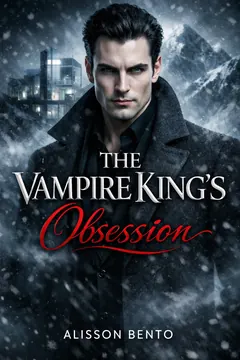
From Alisson Bento’s books
Vampire
A vampire romance about a hero who claims her and never lets anyone forget it.
Kindle edition · Check Kindle Unlimited availability on Amazon.
A Counterfeit Wife by Paullett Golden
Trevor Gaines, the Marquess of Pickering, intends to marry a woman with a dowry. J’non Butler is the maid accompanying his intended bride. When her mistress elopes with someone else, J’non marries him while presenting herself as the woman he planned to wed. Trevor realizes after the wedding that someone else made the vows. This serves the search for a mistaken-identity wrong-marriage novel where one person knows about the substitution and the other person believes the original arrangement is in place. Paullett Golden’s book page
The marriage gives the two a different conversation from the people who meet under the wrong name for an evening. Trevor has to think about an agreement he thought he had reached, and J’non has to answer for the public place she accepted. If both spouses knowingly choose someone unexpected on the day of the ceremony, the situation has a different shape. That variation is covered in the accidental-marriage reading guide and includes the courthouse story about Jessica and Xavier.
Which film or summer romance did you mean?
In While You Were Sleeping, a family assumes that Lucy is the fiancée of a man she helped after an accident. She spends time with people who treat her as if she had a relationship she never actually had. The Disney account gives that premise, so you can identify the film before finding out what happens to Lucy and the family. The mistake brings her into an entire household, which is one reason the film remains a useful comparison for books in which the idea of someone matters to people beyond the couple. Disney’s film entry
Un été dans les Hamptons is the French title of Sarah Morgan’s Holiday in the Hamptons. The central pair is Felicity, known as Fliss, and her former husband Seth. Search for it if you remember a veterinarian, a summer at the grandmother’s and a marriage these two people had years earlier. The Holiday Swap instead identifies Charlie and Cass and puts twin substitutions at the center of two holiday settings. Similar travel and holiday words in the titles can lead to either book. Harlequin’s Holiday in the Hamptons French publisher’s edition
Do you want to know about the mix-up before the characters do?
Some romances tell us exactly why a sister has stepped into a role. In The Holiday Swap, knowing what the sisters intend lets us see why the same instruction sounds ordinary to one person and makes the other nervous. The reader is free to notice which questions the characters are avoiding. With a mystery like The Blonde Identity, part of the pleasure is deciding when a character’s explanation can be trusted. The first available answer can be useful and still leave the heroine with a good reason to keep asking.
There is another choice once the error becomes public. A book can spend a long time on the response, letting people speak and make different plans. Sands and Score spend substantial time with problems that remain after someone has the right name. Golden puts a promise made in public in the way, so a private conversation may not resolve every consequence. Pick by how soon you want to see two people begin to recover the time they spent responding to an idea of each other.
The reveal usually matters more when it changes what the person with less information can do. They might decide what they want to ask in the next conversation or stop delegating the decision to a relative who was sure they understood the mix-up. It is worth noticing which question only becomes possible once the names are right. That gives a different way to compare the books from counting the number of characters fooled by the original mistake.
How to find the book you remember without finding out the ending
Start with a concrete clue from the opening. A baker who cannot taste leads you toward Charlie. A small town named Knockemout points you toward Naomi and Tina. A Paris street and a woman who cannot remember her own past distinguish Carter’s book from Smith’s. Search with the clue and the author’s name if you have it. The book description or first chapter often answers the title question before a recap gets to the truth about the main relationship.
When a result includes the words wrong bride, check what was wrong at the moment of the ceremony. One book might mean she was deliberately taking another woman’s place. Another might describe two people who knew they were making a sudden change. The earliest scene is also useful when books share a promotional term. It shows who made the assumption, what they saw, and what they did with that information.
Choose the reveal you want to read
If you want a fast clarification followed by a larger relationship story, choose Sands or Score. For comedy in which somebody wants the mistake to last a little longer, try Knox. If you want the mystery of trust and identity to last through the book, try Carter or Smith. Choose Golden when you want the mistaken identity to affect a promise already made. You can compare premises without finding out exactly who confesses first.
For a reading group, identify the first person who could correct the mistake and ask what they might lose by doing so. In a twin swap, the risk can stay on both sides of the arrangement. In a story with an unplanned misidentification, the person in the wrong role may be the first to pay a cost. That discussion reveals what the two characters get out of keeping a story alive after they have already begun to care about the person telling it.