The Never King suits readers who want Peter Pan’s cast rebuilt as an adult dark romance with a villain-gets-the-girl promise, and who are willing to treat a short first volume as the start of a four-book commitment. It is not a gentle nostalgia read: everything the publisher and author say about it points toward captivity, menace and a heroine who cannot count on the story being fair to her.
The Darling curse, aged up
According to Nikki St. Crowe’s book page, the Darling women have vanished on their eighteenth birthdays for two centuries. Some are gone a day, some a week or a month, and all of them come back broken. The narrator is about to turn eighteen, and her mother spends the afternoon locking up the house and barring the windows. The page’s tagline adds the book’s thesis in a line: the old stories got it wrong, and Hook was never the villain.
The Penguin Random House listing picks up the same scene and then turns it. Her mother’s precautions do not work: the description says the Never King and the Lost Boys are not willing to let her go, and that when night falls, he comes for her. The publisher calls the book a dark reimagining of Peter Pan and Wendy, with the characters aged up for a darker, grittier telling, and files it under paranormal and fantasy romance. Neither page names the heroine, so the narrator you meet first is defined by her family’s pattern rather than by a biography.
You’re on the list. Your free stories are waiting in the Reader Vault. The Farrier at Dusk
Enemies first, and several of them
The central question is whether a short opening installment can give you the kind of commitment a why-choose fantasy reader wants. The descriptions give a partial answer. The publisher’s tropes are enemies to lovers, dark romance and morally gray love interests, plural, with hate kissing, fighting and bickering and a possessive promise that anyone who touches her will answer for it. That describes a romance that starts in opposition and a heroine who is not choosing a partner from a polite shortlist.
The descriptions do not say how the book balances its men, how quickly any bond forms, or how much of the first volume is romance and how much is setup. The paperback listing runs 208 pages, which is short for a series opener, so it is reasonable to expect a first act more than a finished arc. Whether that is a feature or a frustration depends on what you want from a debut volume. If you like to meet a world and a dynamic and be left wanting the next book, the length may suit you, because it keeps the cost of trying the series low. If you want one volume to resolve the central relationships, the series structure below is the more important fact.
Format and how it is sold
The author’s page lists the book in print and as an audiobook through the usual retailers, and she also sells directly through her own store. The publisher describes the series as a viral BookTok favorite, which tells you something about its audience but nothing about whether it will match your taste. The author’s page does not state a point of view; the blurb is written in the first person, so expect the story to be filtered through the heroine’s eyes, and treat that as an inference from the blurb rather than a confirmed format fact.
A four-book sequence
The author lists Vicious Lost Boys as four books: The Never King, The Dark One, Their Vicious Darling and The Fae Princes. The Never King is the first. The Penguin Random House page labels it book one of one, which conflicts with the author’s list and with its own description of the title as the first book in the series, so the author’s page is the better guide to how long the commitment runs.
The practical advice is simple. Start here only if you are prepared to read on, and do not expect the first volume to carry the weight of the whole collection. The descriptions do not say where the threads resolve.
What readers praise about The Never King
Readers who love The Never King most often point to how fast it moves. Many describe a short, hard-to-put-down book that can be finished in a sitting or two, and many enjoy the darker, adult take on Peter Pan, with the old hero and villain roles reshuffled. Several reviewers praise the morally gray love interests, singling out one man’s brooding protectiveness and the appeal of the Fae twins, and some like a heroine who stands up to the Lost Boys instead of shrinking from them. Heat is a regular draw: some readers highlight the steamy group scenes, one notes the tender aftercare that follows, and another appreciates that plot and romance stay balanced. Several mention a vivid, atmospheric Neverland despite the short page count, and a twisty ending that sends them straight to the next book. One listener says the ensemble audiobook cast adds to the experience.
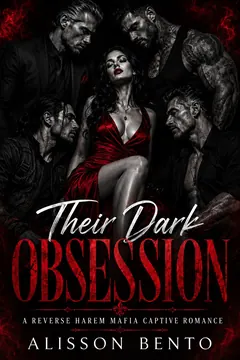
From Alisson Bento’s books
Why Choose
A mafia romance about a captive bargain that turns into the only place she wants to be.
Kindle edition · Check Kindle Unlimited availability on Amazon.
Content notes the author publishes
The author’s content warnings page lists notes for the Vicious Lost Boys series as a whole rather than for individual volumes. It names mental illness, smoking, graphic and rough sex, sex in public, group sex, dubious consent, graphic violence and graphic language. It also lists captivity, degradation, submission, bondage, spanking, blood play, choking, consensual non-consent and talk of sexual assault, and states that the books are for readers 18 and older. The publisher’s page labels the book spicy and tells readers to check the author’s website for warnings.
That is a series-level list, so some items may not appear until later books. If any of these are limits for you, look up the notes for the current edition before you buy.
Who it suits and who should pause
You are most likely to enjoy it if the Peter Pan frame appeals to you as raw material rather than comfort, if you like romances that begin with a threat, and if the idea of several dangerous men sharing a heroine’s attention is part of the draw. You may want to skip it if you need a clear consent structure from the first chapter, if group dynamics are not your preference, or if you want a standalone.
Four things to watch for in the first chapters:
- Her voice under pressure: does the narrator feel like a person with her own temper and plans, or only a target for the men who arrive?
- What the old story is doing: do the Darling curse and the Hook claim create a mystery you want solved, or do you only recognize the names?
- The first meeting with the Lost Boys: is the hostility written as the kind of tension you can enjoy, and do the men feel distinct from one another?
- The pace of the reveal: do the opening chapters give you enough answers to trust the long arc, or does it lean heavily on questions?
Reading alongside
The nearest well-known neighbor is Emily McIntire’s Hooked, the first Never After book. A bookseller listing describes James, who wants revenge on his enemy Peter and plans to seduce Peter’s twenty-year-old daughter Wendy after she walks into his bar, until trouble in his organization and the hunt for a traitor complicate things. Both books retell Peter Pan as dark romance and give the villain the romantic lead, but Hooked is built on a revenge-seduction plot with James as the central hero, while this book builds on a family curse, abduction and plural love interests. Compare descriptions before deciding which structure you want.
A different supernatural why-choose premise
The Vampire’s Decree by Alisson Bento starts with scientist Serena Holt discovering that her blood ties her to a royal succession; three vampire princes need a queen bonded before the Blood Moon. It shares supernatural stakes and multiple male interests, but it replaces the Neverland reimagining with a scientific discovery and a dynastic deadline. Browse the why-choose shelf to compare. The Farrier at Dusk is a free Western paranormal story about suspicious horse receipts and a vampire farrier. Its original adult couple is M/F with closed-door intimacy, and it precedes Claimed by the Coven, not The Vampire’s Decree. Read it online; email access opens the remaining chapters.
Sources checked 20–21 October 2026. Reading suggestions compare advertised premises; they do not promise matching heat, consent dynamics, relationship structures or endings.