
For romance books set in Ireland, decide what you want the place to contribute: creative ambition, the difference between visiting and hosting, stories that bring people closer, or a disagreement over a shared future. The four starting points below help you compare those pleasures. They are directions for discovery, based on publisher descriptions, rather than full-book reviews or promises about every scene.
The most useful question is not simply whether the landscape sounds beautiful. Ask what would change if the couple met somewhere else. Would a livelihood disappear, a family connection weaken, a legend lose its meaning, or a dispute become impossible? That makes Ireland part of the reader decision rather than an interchangeable background. It also helps you distinguish a holiday fantasy from a story about building a life somewhere.
First decide whether you want to arrive, remain or return
A newcomer and a resident bring different questions to the same location. A visitor may have time to notice details that someone working there takes for granted. A resident may know the cost of keeping a business open, the relationships behind a familiar doorway and the things an attractive view cannot fix. Neither perspective is automatically more convincing. They offer different kinds of romantic possibility.
If you want the pleasure of discovery, look for a description that explains why a protagonist has arrived and what might make them stay. A temporary visit creates a useful question about the future: can the attraction survive a decision that will affect work, home and existing commitments? You may prefer the feeling of new possibility even when you are not looking for a literal vacation plot.
If you want rootedness, look for responsibilities that existed before the love interest appeared. A character should have something to gain or lose beyond a relationship. A local business, a chosen profession or a valued building can give staying a purpose. A return offers another angle: familiarity and belonging need not be identical, and coming back does not mean finding everything unchanged.
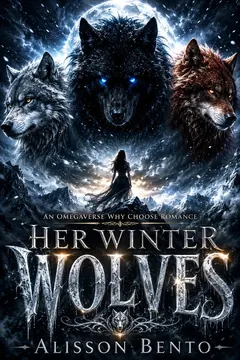
From Alisson Bento’s books
A shifter romance about one heroine, more than one devoted hero, and no choosing.
Kindle edition · Check Kindle Unlimited availability on Amazon.
Born in Fire: choose a place through creative work
Nora Roberts’s Born in Fire introduces Maggie, a glass artist from Clare, and Rogan, a Dublin gallery owner. That is a professional route into the Irish setting.
For a reader, this starting point raises a more specific question than whether the protagonists have opposite personalities: what happens when somebody’s work becomes the place where attraction and judgment meet? Being admired as an artist and being understood as a person are different pleasures. If that distinction interests you, the premise gives you something concrete to test in a sample.
Watch how creative decisions are discussed. Do you enjoy a love interest who challenges a protagonist’s ambitions, or do you want recognition without much professional friction? A studio can feel private while a career requires exposure. Those competing needs can make work-related attraction appealing even to a reader who has no particular interest in collecting art.
Compare your response to the opening with your actual preference. Someone looking for craft, competence and a strong sense of individual purpose may be more interested in this route than in a plot organized around festivities. Someone seeking a quiet escape from work may find another starting point more inviting.
Born in Ice: choose the difference between a guest and a host
The publisher describes Born in Ice through Irish innkeeper Brianna and visiting American writer Grayson during winter. The home-and-hospitality premise supplies a different relationship to place.
The reader question here is who experiences a house as a retreat and who makes the retreat possible. A guest can associate a place with freedom from ordinary demands. For a host, the same rooms may involve schedules, upkeep and responsibility. That difference can create an appealing romantic imbalance without requiring either person to be wrong about the place.
Think about what you enjoy in domestic proximity. Do you want the pleasure of two people gradually becoming familiar with each other’s routines? Do you like the temporary nature of a visit, or does a possible departure make it harder to settle into the story? A shared address and a shared future are separate questions. A hospitality premise gives you a reason to consider both.
The contrast with the creative-work route is useful. One directs your attention toward professional recognition; the other toward the terms on which somebody is welcome in a working home. Choose the kind of everyday contact that attracts you, then check the aspects of tone you need independently.
Jewels of the Sun: choose a visitor’s encounter with folklore
In Jewels of the Sun, Roberts pairs Jude’s move from America and interest in Irish folklore with Aidan’s return and family pub. The publisher supplies the starting connection.
This is a different invitation from simply wanting scenery. Ask whether you want stories about a place to shape how people meet and understand each other. A legend can offer a language for longing, invite disagreement about belief or make the past feel close. Those are possible attractions of folklore-inflected romance; they do not make a novel an authority on a whole country’s traditions.
A useful distinction is between enjoying an atmosphere of enchantment and wanting a detailed supernatural system. You might love the suggestion that an old story matters while having little appetite for extensive rules about magic. Another reader may want supernatural events to drive most of the action. Read the individual description and opening for the balance that draws you in rather than treating folklore and fantasy as interchangeable promises.
The visitor-and-returning-resident combination also gives you a question to carry into a sample: who introduces the place, and who gets to interpret it? Enjoy curiosity without expecting one character to explain an entire culture. If your favorite romantic pleasure is sharing a story and discovering why it matters to another person, this direction deserves consideration alongside the more visibly practical work premises.
The Matchmaker: choose a place somebody wants to protect
Catherine Walsh’s The Matchmaker places Katie in Ennisbawn, opposing development that threatens a pub and reviving a matchmaking festival. Callum connects attraction with the contested project in this Irish-village premise.
Consider this route if you want the setting to create a disagreement about the future. There is a difference between falling for a beautiful place as a visitor and wanting a place to survive in a form its residents value. A building can carry practical usefulness and personal meaning at once. That combination offers more to weigh than a simple preference for old things over new things.
Before choosing any development-conflict romance, ask what makes the disagreement enjoyable for you. Some readers want energetic verbal friction and a public project. Others are especially sensitive to an imbalance between somebody defending a home and somebody with the resources to change it. Neither response can be resolved by a picturesque cover. Try the voice and consider whether you want that argument beside the attraction.
Compared with a hospitality premise, this direction puts the destination itself under negotiation. Compared with an art premise, the reader’s attention moves from individual expression toward what a shared place should become. You can be drawn to community action without wanting every character to agree. The interesting preference is whether you enjoy romance developing in the middle of competing plans.
Compare these books in pairs before choosing
If you are choosing between Born in Fire and Born in Ice, begin with the distinction between being seen and being accommodated. The first premise makes professional recognition an appealing question; the second invites attention to how a welcome is created. Both can interest a reader who enjoys competent adults, but competence has different attractions. You might want the exhilaration of another person recognizing an individual talent, or the quieter pleasure of noticing the effort behind everyday comfort. Choose which form of attention you want to follow before deciding whether the shared trilogy is itself a reason to continue.
Born in Ice and Jewels of the Sun offer two useful ways to think about entering an unfamiliar place. One starting point invites you to consider the practical terms of a stay; the other opens curiosity about how a place acquires meaning through stories. If you are drawn to both, ask whether you currently want to observe routines or listen to interpretations. Neither preference requires you to rank domestic work below imagination. It simply decides what you want to notice on the next page. Try the opening of the stronger match first, rather than collecting every book whose description sounds welcoming.
Jewels of the Sun and The Matchmaker can also appeal for very different reasons even when the pub element catches your eye in both descriptions. Your interest might be in connection through storytelling, or in the argument over what a community should keep. A reader who enjoys characters exchanging meanings need not want the pressure of competing plans. A reader energized by collective action need not want enchantment. The shared social space is therefore a starting clue, while the proposed relationship to that space does the useful work of narrowing your choice.
Finally, compare Born in Fire with The Matchmaker when you want characters with something at stake beyond attraction. Which question draws you more: how someone allows another person into a personal ambition, or how private attraction sits beside a public disagreement? This is a comparison of reading interests, not a verdict on how either novel resolves its conflict. It gives you two distinct samples to try and a reason to prefer one tonight. The four-title shortlist is deliberately selective, with three Roberts books and one Walsh book; it is not a survey of Irish authors or of every kind of Irish life.
Do not mistake an Irish title or character for an Irish setting
A practical counterexample is Roberts’s Irish Thoroughbred: Macmillan describes Adelia leaving Ireland for a Maryland horse farm. Irish identity and an Irish location are different selection criteria.
If your goal is to spend reading time in Ireland, look for where the main relationship develops, not just the nationality of one protagonist. A story about migration may offer exactly the emotional connection another reader wants. It still answers a different request from a novel whose central everyday world is on the island. The distinction protects both kinds of story from an ill-fitting recommendation.
The same care applies to an Irish author, a family surname, a green cover or a castle illustration. These can invite curiosity but cannot establish the location of the plot. Check the description for named places and movement between them. Notice whether a place name describes where someone lives now, where they grew up, or where they hope to go. If it promises a journey across countries, decide whether part of the story is enough for your purpose. You do not need to reject a book for being partly elsewhere; you need to know what experience you are choosing.
Enjoy geography without turning fiction into a travel guide
Named counties, cities and villages can help orient your reading. They are not a promise that every building, route or event can be visited. When a fictional location catches your imagination, separate the wish to read about it from a practical decision to travel. Verify real destinations independently before planning around them. This guide makes no claim that a novel’s pub or festival is an operating visitor attraction.
Keep the scale of a claim in view, too. One character’s habits do not describe all Irish people. One family’s relationship to a local story does not establish a national custom. You can enjoy an intensely particular fictional place without using it as a complete cultural introduction. Specificity often makes a romance more interesting precisely because the characters are individuals, with their own tastes and disagreements.
An effective sample test is to notice what the protagonist attends to. Are you absorbed by work, rooms, weather, conversation or the stories attached to objects? The descriptive emphasis tells you what kind of attention the book asks for. You may discover that your ideal Irish read is less about panoramic landscape and more about how two adults occupy the same kitchen or discuss a piece of art.
Check the series, the tone and the edition separately
The publisher’s Irish Born sequence begins with Born in Fire, followed by Born in Ice and Born in Shame. A setting preference can point you toward a later premise; sequence information helps you choose whether to begin earlier. Our series reading-order guide explains how to separate connected settings from an ongoing relationship arc.
Do not infer a particular ending or the absence of a cliffhanger from the location, a trilogy label or this guide’s shortlist. If a completed romantic resolution within one volume matters to you, check information that addresses that question directly. The same applies to explicit intimacy, bereavement and other subjects that affect your reading. A premise can establish why a book interests you while leaving important preferences unanswered.
For atmosphere, our small-town versus cozy romance guide helps with a separate choice. Here, Ireland is the location filter; warmth and emotional comfort still need their own evidence. For language and format, use the exact edition record. Original English titles are retained here as identifiers, not as claims that a translation is available in every market or included in a subscription.
Make your next choice small and specific
Pick one of the four starting directions and read a sample with a single question in mind. For a craft-based premise, ask whether you want to follow the professional conversations. For a working home, ask whether routine feels engaging. For folklore, ask whether the treatment of stories invites you in. For a place under pressure, ask whether you enjoy the disagreement enough to spend time with it. Our romance sample guide offers a fuller way to test voice and chemistry.
Write down what worked in a short phrase: creative ambition, a visitor learning to belong, a home with daily responsibilities, or a community deciding its future. That phrase will remain useful even if the first sample does not suit you. You have identified the particular pleasure you want from the setting, making the next recommendation easier to judge.
If your preference shifts toward another location but the same relationship dynamic, explore Alisson Bento’s romance catalog by the individual descriptions. It is a broader next-reading route, not a claim that these third-party Irish titles belong to that catalog. Let the setting open the search, then let the characters’ choices decide which book you begin.