Listen to a conversation before you commit to a romance audiobook. Play about a minute in which two characters speak several times. Then pause and say who asked the last question and who gave the answer. If you can keep them straight without waiting for a name or replaying the line, that sample is a better test of how the book will sound in your day than a trailer or the opening credits.
If you lose track, try that same exchange once more with a small change to the playback speed. If it still takes work, sample another performance or an audiobook with a different narration format. You may like a single narrator whose phrasing tells you who is speaking. You may prefer two performers who keep separate voices through the same argument, even when the chapter belongs to only one of them.
Test an exchange with a reason to listen closely
An audiobook sample often begins with a description, a dedication or a character thinking through a problem alone. That can help you decide whether you like the voice. For speaker clarity, look for an exchange where the characters trade short lines. A recurring phrase, a slight pause or a way of asking a question can be easier to recognize than a heavily exaggerated pitch. In a romance, try an argument, a joke that gets passed back and forth or a question one character is reluctant to answer.
Suppose you hear one person ask whether the other is staying. The reply is simply, “For dinner.” The first person asks, “And after?” Three short lines give you plenty to work with. You can follow whether a character is buying time, whether the other caught the hesitation and which of them asks again. If you can sort that out by ear, you have enough to judge the performance. If every new line sounds as though the same person delivered it, that exchange tells you more than a page of narration about the setting would.
Try another moment if the first sample contains only one person speaking. Some retailers and publishers stop their clip before the protagonists meet. A sample from a different chapter may be available on an author’s site or through a library. If you’re already borrowing the book, its opening chapter might be enough to get to the first conversation, depending on how the story begins. If you want to avoid spoilers, stop after the first short exchange that gives you something to compare.

From Alisson Bento’s books
Vampire
A vampire romance about a captive bargain that turns into the only place she wants to be.
Kindle edition · Check Kindle Unlimited availability on Amazon.
Listen for the structure of solo, dual and duet narration
A solo audiobook has one performer. That reader may change the rhythm, accent, energy or tone from one character to another. In a quieter performance, the shift might be small enough that you notice it only when names and speech patterns start to repeat. A solo narrator can carry a scene with several people if each voice has a feature you recognize. Take the sample as it sounds and see whether the distinctions stay clear once the conversation picks up.
Audible’s guide to dual and duet narration explains the difference between assigning narrators to sections and assigning them to characters’ dialogue. In a typical dual romance, the narrators alternate by point of view. Each reads a chapter or section, including dialogue the other character speaks inside it. That means the same character may sound different when the point of view changes. If you tend to lose track at chapter breaks, try to hear samples from both sides before deciding whether that change suits you.
In a duet, each performer can read their own character’s dialogue within another performer’s chapter. In the dinner exchange, you may hear two separate actors even though one narrates the whole scene around it. That can help if you recognize characters by the sound of their voices. You still need to see whether the recording gives you clear transitions when side characters enter or when conversation turns into narration. Two credits in a catalogue entry tell you who’s involved, but you may need a description or sample to find out how the voices are assigned.
Check which kind of confusion you’re having
Sometimes you hear every word and still can’t tell which person said it. In that case, listen for the detail that marks the turn. A character may start questions a certain way, finish a sentence more sharply or consistently pause when they want the other person to keep talking. A performer may make those habits easy to hear. A good sample lets you identify one of those details without having to spend the scene reciting everyone’s names in your head.
Sometimes you can tell which person is speaking but lose what they said. The words may arrive too quickly, or the sound around you may make quieter consonants hard to pick out. Try listening to the exact same lines in a quieter spot or through the device you plan to use. Use a comfortable volume. Start with the same speed and look for the sentence that disappeared before. If you can hear it more clearly, the setting was part of the problem. If the words are clear and the speakers still sound interchangeable, try a different performance.
And sometimes it’s a change in point of view you missed. Look for a chapter heading that includes a name. Some productions say the name at the start. Some show it only in the chapter list. If the story alternates points of view, listen for one line that only the current narrator would know or notice. That can help you reconstruct who’s speaking without going back several minutes. A strong opening can make the transition easy by giving the new narrator a specific concern, even if the two performers have similar voices.
Compare the same thirty seconds at two speeds
Pick a passage with a question, a reply and a little descriptive prose. Play it at your normal speed and pause after the reply. Recall who said it and what they meant. Go back to the same point and make a small adjustment in the direction that helps. A slightly slower pass can give words and pauses more room. Some people prefer a slightly faster pass when long gaps make it hard to hold the exchange in mind. Keep the test to one passage so you can compare the same delivery.
If you borrow through OverDrive, the OverDrive Listen guide describes browser playback and controls for speed and bookmarks. Use a bookmark if your player offers one, or just note the timestamp before adjusting anything. If the test helps, try the new setting through several minutes of ordinary narration. You may find it easier to understand a fast argument yet prefer the original speed through quieter parts. Use the pace at which you can follow both a conversation and the action around it.
If the first comparison goes well only because you now know what the speakers said, try a fresh exchange. That second example shows whether you’d follow the change of speaker without the benefit of a repeat. If both tests stay clear, you have enough to continue. If the pace is easier but the two voices still disappear into each other, look for a narration format or a different recording that gives their dialogue more distinction.
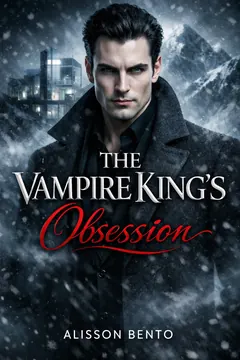
From Alisson Bento’s books
Vampire
A vampire romance about a hero who claims her and never lets anyone forget it.
Kindle edition · Check Kindle Unlimited availability on Amazon.
Sample the version you will actually play
A book title can point to several productions. Different retailers may carry the same performance, and some titles have been recorded more than once. Read the narrator, publisher and language fields before using one sample to judge another listing. A title shown in French or Spanish can still point to audio in English. The performer credited in a review might belong to an earlier edition. If you recognize the voice but the chapter times differ, check the edition details before using the timestamp from one to navigate the other.
Julia Quinn’s audiobook page offers five-minute excerpts grouped by series and lists audiobook options for individual titles. An author page like this can help you find a sample for the right book. To match that sample to an edition in your library, use any linked performance information and check the names on the library’s entry. If the credits differ, play the library’s clip too. It may suit you better even though you began looking for a particular narrator.
The small labels on the listing can save time if you’re shopping for a type of performance. Look for duet, dual or full cast in the description, and see whether it actually explains what the listed people do. A full cast might give you many recognizable voices. A smaller production can be easier to follow if you like hearing one reader carry the descriptive prose. When the label leaves you guessing, the sample is the best way to tell what will happen as soon as two characters speak in the same scene.
Try it in the place you will listen
If you listen on a train, at the gym or while preparing dinner, try a sample through the same headphones or speaker you’ll use there. Background noise can mask the smaller changes a narrator uses to distinguish characters. You might manage subtle shifts easily at home and find them difficult on a bus. Give yourself a short, representative stretch of the setting you can control. If being interrupted is part of that setting, pause and see how easily you can get back into the passage when you’re ready.
For bedtime, the challenge can be different. You may want quiet delivery and still want to know who said the last line without looking at a screen. A loud contrast between actors can make it easy to identify speakers and hard to listen at the level you prefer. Try the sample at your usual volume. If the most important lines make sense and the performance can stay in the background when you want it to, it may be a good fit for that purpose even if you choose a more distinct duet for the commute.
Sharing a speaker is another useful comparison. One listener may pick up accent differences while the person across the room hears rhythm more easily. If you’re choosing a joint listen, try one short chapter together and ask which part was hardest to follow. You may discover that both people understand the same solo performance clearly enough. If the difficulty is background noise where the speaker sits, changing the arrangement might help more than changing editions.
Decide whether to keep listening or try another format
Stick with the recording if you can follow an exchange after a brief interruption and you’re still interested in what each person will do. If you’ve tried two passages and keep losing whose reply matters, sample another production. If the same title has only one audio edition available to you, try the ebook or print edition. Dialogue tags, paragraph breaks and chapter headings can make conversations easier to follow on the page. You can also read along with a separate copy if the editions are close enough for that to be enjoyable.
If you’re building a list, keep track of the individual narrators and what you liked about their work. An audiobook can suit you because one actor takes enough time at every change of speaker, or because two voices remain distinct even when they both lower their volume. Save the title, format and performance credits. The next time you find several versions of a romance, you can check for the reading arrangement you already know works for you.
That first test can stay simple. Find an exchange you’d enjoy following even without any context, listen to a few turns and see whether the speakers become clear as they interrupt, hesitate or answer each other. If the performance leaves you listening for what someone will say next, you can get on with the story. If it leaves you checking who spoke each time, move to the next sample while the choice is still easy.
One small detail can tell you whether a performance is working. If you hear a character ask the same question a second time, can you recognize the speaker before the book supplies their name? That moment is worth more than a list of voice effects. You already know what sort of conversation you enjoy reading. Choose the recording that lets you pay attention to how the answer changes the next scene.