Marriage-advertisement Western romance is especially compelling when arrival reveals a household different from the one the heroine imagined. Alisson Bento’s Wed to the West begins with Willa Greer traveling from Saint Louis after answering an advertisement. Its verified opening identifies a historical Gold Rush polyamory premise and makes the journey’s practical limits part of her first decisions.
The written invitation is only part of the information
Willa reaches Larkspur Bend carrying family keepsakes and too little money for a return ticket. Postmistress Hattie Doss explains that the invitation’s single signature concealed three men: Beckett Carrow, Levi Thorn, and Tate Halloran. They share a mining claim and wrote the proposal together.
That discovery gives the opening a particular shape. Willa has accepted a journey toward a prospective marriage, but she learns something consequential about the proposed household only after traveling. Choose this premise if you like the gap between a written invitation and an encounter in person, especially when the new information requires the heroine to reassess what she agreed to pursue.
Travel money makes questions urgent
The limited return fare matters because it changes the available choices without answering them. Willa cannot easily treat the arrival as a casual introduction and leave if surprised. The loss of her father’s shop and her own employment has already made the journey urgent. Her circumstances give the advertisement practical appeal before the household is revealed.
A reader can therefore assess two forms of pressure together: what Willa wants to know about the men and what resources she has for acting on that knowledge. This is a useful starting point for readers who want historical courtship to include work, distance, and money as concrete concerns rather than only a picturesque western setting.
A trade gives the bride her own way of judging
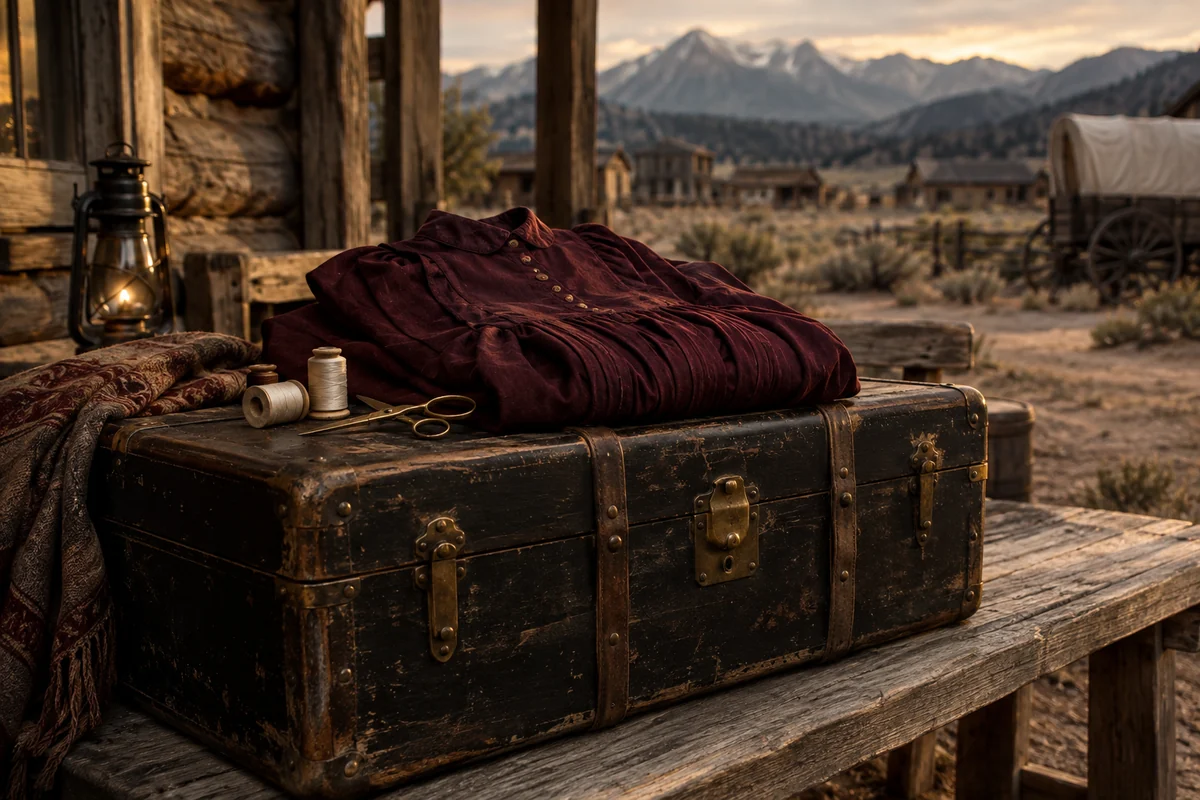
Willa is a tailor’s daughter with seamstress experience. She approaches unfamiliar circumstances through careful counting and habits learned in her work. The proposed marriage of record raises questions she wants answered before following the men’s wagon. Her skill and caution give the opening a heroine who actively examines the arrangement.
For a reading choice, consider whether you want a known partner or a proposal whose meaning changes on arrival. Wed to the West offers the latter, with three mining-claim partners and a stated polyamorous framework. Its opening establishes questions about the household and the practical ability to return home. It leaves the negotiated future for the book, while giving readers a specific marriage-ad journey to explore.
Read another angle: Librarian-heroines in romance: archives, threatened collections, and a private future · Maritime archaeology romance: expedition work, evidence, and protection at sea · Arranged marriage vs forced marriage romance: read the choices behind the match
Explore the wider romance catalogue. The catalogue groups books by genre and trope; it does not confirm every preference discussed in this guide.