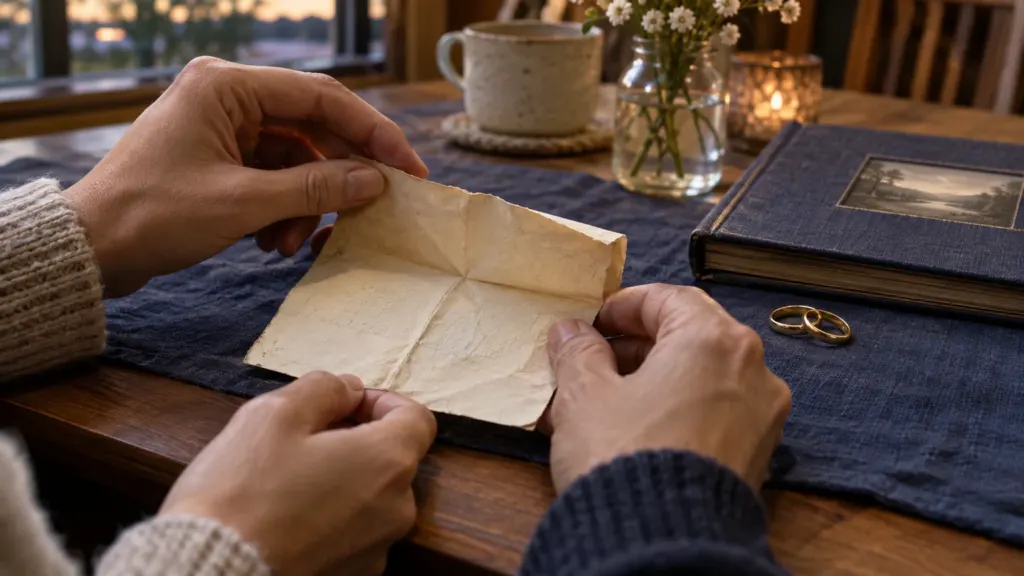
A marriage pact romance begins with a promise to marry later if both people are still single or unmarried at an agreed point. The most familiar version is “if we’re both single at thirty, we’ll get married.” The interesting part comes when the deadline is suddenly close and people who made the promise years ago have to decide what they want now. One might have meant it as a joke. The other might have remembered the exact words through several relationships, a move and the first long break in their friendship.
For a classic friends-to-lovers example, try Karina Halle’s The Pact. Its leads make their agreement as adults and have a shared circle whose opinions make the choice complicated. Emily Houghton’s Last Time We Met suits readers who want the weight of a childhood promise and a friendship that did not continue as planned. Jo Lovett’s The Mistletoe Pact puts a holiday comedy and an unexpected Vegas wedding on top of the original agreement. Each option changes what the birthday means and when the relationship has to catch up.
What is a Marriage Pact?
In romance, a marriage pact is a conditional promise that two people make about their future. The condition might be a milestone birthday, being unmarried when a certain number of years have passed, or both being outside a serious relationship. That last distinction can matter even within fiction. “Still single” can mean something different to people who have spent years building separate lives. A good story lets the return of the deadline expose what each character thought the promise was for.
Imagine a pair of friends whose early apartment contracts are ending at the same time. They laugh about marrying at thirty if neither finds someone else. One thinks they are protecting their friendship from a lonely evening. The other lets the joke stand because it is the nearest they have come to asking for more. Six years later, the first person still remembers it as reassurance. The second has to decide whether bringing it up honors the friendship or puts pressure on someone who never understood the promise in the same way. What makes the premise work is the difference between the conversation the characters thought they were having and the decision they may make now.
A pact can return through a birthday message, a friend’s wedding or a note somebody finds while packing. The story can introduce it in a flashback and make you wait for the present-day consequences. It can also begin with a question that sends you searching for why the two people are nervous. If you want the warmth of shared history, look for a sample that lets you spend some time with them when the promise seems safely far away. If you want awkward momentum, try a book in which the deadline arrives early and the old agreement has to be explained in front of people who never heard it.
From Alisson Bento’s books
Vampire
A vampire romance about a captive bargain that turns into the only place she wants to be.
Kindle edition · Check Kindle Unlimited availability on Amazon.
How is a marriage pact different from a marriage of convenience or fake dating?
A marriage pact usually starts years before a wedding is on the horizon. It gives a future condition for deciding whether to marry. A marriage of convenience starts when two people actually marry for a practical reason, such as joining households or meeting an obligation in the story. Fake dating involves acting like a couple in front of other people. One novel can use all three. Suppose two friends once promised to marry if both were single. When the deadline arrives, they pretend to be engaged for a family weekend and then decide whether to go through with it. The old promise, the public performance and a real decision about marriage are different things to watch.
The order in which they happen changes the reading experience. In a convenience story that opens shortly before a wedding, intimacy can grow because both people are living with the agreement they made. A pact story may spend half the book showing why the leads are so careful about bringing it up at all. A fake relationship usually gives them public scenes where their performance can exceed what they meant to reveal. If you like watching friends get brave enough to discuss a private future, start with a pact story. If you want household negotiations after a wedding, choose a synopsis that puts the real marriage near the beginning. Fake dating and marriage of convenience explained
“Arranged marriage” belongs to a neighboring set of plots. It asks who helps select a partner and how the people involved respond. A promise exchanged freely by two friends has a different starting pressure from a match proposed by relatives, a ruler or a business arrangement. This distinction is useful if your search brought you billionaire contract marriage, contemporary arranged marriage or dark romance alongside the friendship stories. Look first for who made the agreement and when it first became relevant. Marriage of convenience when the deal no longer explains the relationship
Which marriage pact romance books should you read first?
These five choices all use a promise that matters when a deadline approaches. Start where the characters already stand in relation to each other. Are they close friends, people who lost contact, or people whose joking agreement suddenly has practical consequences? The descriptions below come from authors or publishers and avoid later twists.
The Pact by Karina Halle. Stephanie Robson and Linden McGregor agree in their twenties that they will marry each other if neither is in a serious relationship at thirty. Start here if you want a familiar friendship, a clear deadline and years in which both people have been making separate decisions about dating and their future. Their friendship and the larger circle around them give the question something to disturb. The author includes the book in the McGregor Brothers series, so check the names before you pick up another book from that series. You are looking for Steph and Linden’s story. Karina Halle’s book page and series bibliography
Last Time We Met by Emily Houghton. Eleanor and Fin make a promise at thirteen that goes beyond marriage. They plan to attend university together, live near each other and marry if they are both single at thirty-five. Choose it if you want to compare a future two children imagined with the lives they actually made. A pact like this can matter because of lost familiarity and broken plans as much as a birthday. The two questions are whether they can recognize each other as adults and whether their promise still describes anything they would freely choose. Penguin’s book page
If We’re Not Married by Thirty by Anna Bell. Lydia and Danny make the promise around a friend’s wedding. This is a fit if you enjoy social comedy and the idea that a casual bargain becomes difficult when other relationships and public explanations enter the picture. A new setting may make it tempting to act like a believable couple before either person has fully thought through what it would mean to be one in private. Look for this when you want to follow the awkwardness of an agreement gaining a life of its own. Anna Bell’s bibliography and Zaffre’s edition description
The Mistletoe Pact by Jo Lovett. Evie and Dan make their arrangement on Christmas Eve. Years later, a Vegas wedding means they have a practical consequence to face as well as a memory to revisit. Choose it if you like the overlap between marriage-pact romance and accidental marriage, with the familiarity of a holiday story. Dan is also the brother of Evie’s best friend, so the old promise sits inside relationships that both people care about. The publisher’s main book page makes the two story elements clear. Bookouture’s book page
The Marriage Pact by M. J. Pullen. Marci’s life is already complicated when her old college friend Jake reminds her of their plan to marry if both are still single at thirty. This version suits readers who like a moral or emotional dilemma about whose feelings somebody is willing to acknowledge. It also gives the promise a different rhythm. The past enters the plot while another entanglement is already shaping the present. Pullen’s site lists it as the first entry in a trilogy. If you continue, check how the series uses its wider cast before expecting a direct extension of Marci and Jake’s situation. M. J. Pullen’s series guide
Which book is called The Marriage Pact?
It depends on the author. The Marriage Pact by M. J. Pullen is the friendship-and-deadline story about Marci and Jake above. The Marriage Pact by Michelle Richmond is a psychological thriller about newlyweds Alice and Jake who receive a wedding gift that draws them into a group with rules about marriage. One title can surface when you are looking for the other. If you want the friendship romance, check the author, the character names and whether the description starts with an old birthday promise or a newlywed couple receiving an unexpected gift. M. J. Pullen’s book listing and Penguin Random House’s Michelle Richmond listing
You might also search for Karina Halle’s The Pact and encounter its Brazilian title, Se nada der certo até os 30, você se casa comigo? The title tells you more about the promise than the English one does. The lead names confirm that the two listings describe the same story. A review, film discussion or similarly named book can make results look interchangeable. Treat the author and synopsis as the first checks and the cover as a later one. This is especially useful when a publisher offers multiple editions under different regional titles. Brazilian edition record
From Alisson Bento’s books
Vampire
A vampire romance about a hero who claims her and never lets anyone forget it.
Kindle edition · Check Kindle Unlimited availability on Amazon.
Can a marriage pact romance be slow burn or second chance?
A marriage pact can be slow burn because the old promise may be the only romantic information the two friends share for years. Readers can see where feelings are heading long before the characters know how to test them. Some books begin with an old attraction and use the deadline to give it words. In others, friendship was the real bond at first and the romantic part appears only after the arrangement changes how the pair spends time. A promise at the age of twenty-four and a decision six years later say little about which of those paths a book will take. Look in the synopsis for whether the leads have been pining or whether they expect the idea to feel practical.
It can also be second chance, depending on what is being tried again. Two people who lost their friendship can attempt a reunion. Two former partners have a history as a couple to revisit. The promise can reveal that they want to repair something different. Perhaps one misses their Sunday calls and the other wants an apology for who disappeared during a difficult year. A story can give both questions attention before it asks the couple to name a future. For stories in which both already want the relationship but cannot admit it, the mutual pining guide explains a common overlap.
What if you want a marriage in trouble romance?
The marriage-in-trouble label points to a couple whose marriage already exists and whose life together has reached a difficult stage. A pact story usually spends its early energy on whether an old promise will become a new relationship. Some books join the two, especially when the promise leads to a wedding early enough to leave room for married life to get complicated. In that version, the reader has two questions. What made the pair choose each other, and what will they change once the choice has consequences for both of them?
If what you want is a couple sharing years of bills, routines or plans, look for a synopsis that names the damage within a marriage already underway. If you want the moment when a friendship becomes a decision about the future, look for the date or event that revives the promise. Consider a pair who used to joke that they would get married when they reached the same age. On the day one of them brings it up, a restaurant dinner might be enough to set off the whole story. A married couple in trouble might need several chapters to establish what daily life looks like before a dinner carries that same weight. Marriage in trouble and repairing an existing bond
What makes a marriage pact feel romantic after the deadline?
Look for a new conversation that neither person could have had when they made the promise. Perhaps they used to assume they would live in the same city. Now one has a job elsewhere and the other has a good reason to stay. A book can make the decision romantic by showing that both want to solve the problem together. The payoff may be a public wedding, a private confession or a practical decision about the next visit. Each can work if the characters make it with present knowledge of one another.
It helps if both can change their minds. A promise that was funny at twenty can feel different once a person has learned what they want from a partnership. In a readable pact story, that change gives the couple something specific to talk about. When one person brings up the deadline, look at how much room the other has to say yes, say no or ask what the other person means. The most interesting moments often occur when an old certainty no longer fits, and the characters get to ask a more personal question.
To choose your next book, look at when the promise was made, whether both remember it in the same way and how near the deadline is when you meet them. A childhood plan that covered an entire future fits a different mood from a joke from your twenties or a wedding you wake up to after Vegas. Read as far as the first scene where the old promise affects a present decision. Notice whether it opens a conversation you actually want these people to have. That tells you more about the story you are about to read than the age in the title.