Choose this for a horse trainer heroine, a capable mechanic, and forced proximity rooted in a real transport problem. The opening suits readers who enjoy western working life, practical boundary-setting, and banter between people whose skills must cooperate before either can afford to relax.
13 books
Small-Town Cowboy Romance: Work, Homecoming and Local Ties
Small-town cowboy romance connects rural work to people who cannot always treat a new encounter as private. A contractor may know the grandmother who left an inn; a suggested caregiver may carry painful history; an urgent call may interrupt a rodeo rider's plan to leave again. The community adds context to attraction, but that context varies. Some readers want familiar jokes and a wedding to prepare; others prefer practical introductions, inherited responsibility or a professional arriving with a limited contract. Choose what you want the town to make possible or difficult. Then compare whether the main character returns, visits or must remain to meet a condition. All these books stand alone. Their shared setting provides a useful shelf, while their different work, histories and relationship structures determine which starting point suits your next read.
Compare these starting points
For readers who want a cowboy single-dad romance shaped by childcare, financial pressure, and complicated shared history. The nanny and employer dynamic has personal weight here: helping a household means encountering its grief and its boundaries. A standalone choice for readers drawn to family life and the difficulty of accepting support.
A good fit for readers seeking a bookshop setting, a returning heroine, a single father, and a slow-burn relationship. Family letters and bereavement give the small-town atmosphere emotional substance. Choose this standalone for a romance where reconnecting with a place is closely tied to learning who deserves your trust.
Choose this for an inherited inn, small-town slow-burn romance, and a contractor whose first concern is the building's safety. Holly's renovation notes and her grandmother's decision deadline suit readers who enjoy tangible rebuilding work woven into the emotional experience of returning home.
A working network can make dependence visible
A small town can make skilled help accessible while narrowing the choices of whom to ask. The useful question is not merely whether everyone knows everyone. It is who has the equipment, time or expertise the protagonist needs when a plan fails. A mechanic, a contractor, a caregiver and a veterinarian occupy different places in that network. Readers who enjoy practical intimacy can choose a task whose difficulty they want to follow. Notice whether the character approaches a known neighbor, accepts an introduction or hires a stranger. These routes create different degrees of familiarity before attraction begins.
Too Stubborn to Love starts with Hallie Brandt's truck failing before dawn while three trained sale horses need transport to Cody. A late delivery threatens a penalty and future business. She hires Clay after exhausting safe alternatives, with explicit rules for handling the rig. Meanwhile Orson Gentry, who took her family's original ranch, offers another intervention disguised as concern. Choose this small-town western if you want the difference between useful help and unwanted leverage to matter. Hallie's livestock judgment is a professional asset, while Clay's respect for it makes cooperation more interesting than a rescue based only on her difficulty.
A local introduction can connect grief to necessary work
In a restoration premise, a building gives grief a practical form. Someone returning after a death may need to decide what to preserve before she knows what staying would mean. The local person who recommends a contractor can therefore affect the romance without acting as a matchmaker. Readers interested in community ties can look for this ordinary mediation: a friend knows the family, understands the place and identifies someone whose skills are needed. Compare that with an anonymous hiring process. An introduction carries local knowledge, but the work still requires its own judgment and boundaries.
Sweeter Than Maple brings Holly Maple back from Manhattan to her grandmother's inn. Cracked columns, a sagging porch and a kitchen needing substantial repair make the inheritance more than a collection of memories. Nan's letter gives Holly a year and a day to decide whether to keep the keys. Marigold Pratt supplies coffee, pie and an introduction to Jude Callahan, the only contractor within forty miles. Jude attends to structural problems before offering social reassurance. Choose this slow-burn cozy opening for community expressed through useful connections, and an inherited property approached with a permit binder rather than nostalgia alone.
An inherited institution asks whom a place belongs to
A bookstore, inn or ranch can belong legally to one person while mattering to many. That distinction suits readers who want a community larger than the couple to influence the emotional situation. The owner must decide what to do with an asset, but people around her remember how it served them. Notice whether the inheritance requires time in residence or simply gives the protagonist a reason to visit. A defined stay makes belonging a practical question: there is a schedule to fulfill before departure becomes straightforward, while memories complicate the meaning of that schedule.
The Little Bookstore in Cedar Hollow introduces Charlotte Monroe after leaving her job, ending her engagement and losing the grandmother whose letters she did not answer. The Reading Nook comes with a required year in the town Charlotte has avoided. Eli Hayes, a firefighter and widowed father, has his own connection to the store and its former owner. Compare Charlotte's inherited local institution with Holly's damaged inn. One opening centers books, unanswered affection and a place tied to childhood; the other makes restoration immediately concrete. Both give returning women obligations beyond deciding whether a new relationship appeals to them.
Homecoming can expose what leaving never settled
A return creates tension when the traveler has learned how to leave more easily than how to face familiar people. Readers drawn to second chances can ask what event interrupts that habit. A wedding invitation, inheritance condition and medical emergency bring someone back for different reasons. Then distinguish regret from responsibility. Missing a person does not automatically mean being ready to reenter the work, family and expectations associated with them. The town matters because it holds several relationships at once, and a romantic encounter may reopen a larger history the protagonist had hoped to manage at a distance.
A Cowboy's Way Home follows rodeo rider Beck Calhoun back to Cedar Gulch after ten years. He drives past Red Mesa rather than face the family ranch. His mother's death, a bridge wreck that injured Wyatt and his father's disapproval still affect that avoidance. Then Charlie calls: Jed has collapsed and is being taken to the county hospital with a suspected stroke. Choose this second-chance western for a family emergency interrupting a practiced exit. Beck is already nearby, but proximity and readiness to face home are different things.
A familiar joke does not remove an old injury
Familiarity can return quickly without restoring trust. A first exchange may recover the rhythm of an old joke while exposing how much hurt remains beneath it. This appeals when you want recognition to be complicated rather than treated as instant reconciliation. Look at why the visitor can be useful to the town before she knows whether she is welcome there. A job or event gives her responsibilities that survive an uncomfortable reunion. It also means the people around her may remember versions of the relationship that she cannot fully control or explain in one conversation.
Dusthallow Days brings Wren Calloway to the Texas town with a failing car, little money and an engagement she prefers to explain briefly. Della's wedding gives the return a purpose, deadline and demanding arrangements. Colt Duvane is repairing a fence when she arrives; the boy she once loved is now guarded, and old jokes do not prevent old hurt from surfacing. Choose this single-dad cowboy premise for wedding preparations and unfinished affection within a town's informal information network. Compare Wren's planned usefulness with Beck's interrupted departure: both encounter a remembered past, but their immediate responsibilities begin in different places.
A household can need help before its owner can accept it
Community makes strain visible when other people can see a household struggling. That visibility can be caring, uncomfortable or both. For readers interested in single fathers within a small town, identify the practical task that no longer fits into one person's day. Then consider why the suggested helper is difficult to accept. Shared history gives an offer a different emotional cost from hiring a stranger. The romantic premise can emerge from that mismatch: help is needed now, while the memory attached to the person offering it belongs to an earlier injury that has not been resolved.
The Nanny He Never Forgot introduces Wyatt managing ranch work and raising Daisy alone. His daughter sleeps in the truck while he works, bills keep coming, and those who know him can see the limits of sheer effort. Clara Gables is back in town, but he does not want her name proposed as the solution. After losing his wife and son, he said something that still stands between them. Choose for dependence complicated by a specific past hurt. The small-town setting means the adults' history exists alongside a child's current needs, rather than allowing reunion to take place in isolation.
The newcomer can bring expertise the household lacks
Not every rural arrival is a return home, and not every visitor needs to be taught how to work. A professional assignment can give a newcomer authority in a specific task even when the people who live there know the land better. This is useful if you enjoy attraction through competence and disputed boundaries. Ask who arranged the visit, who gives instructions and what the visitor is actually hired to do. Helping beyond the assignment can reveal skill, but it does not erase the distinction between assistance and being treated as someone else's employee.
A Farrier for the Cowboy introduces Wren Calloway at the Colane ranch to trim and shoe horses. Bridger's father arranged the visit, while Bridger manages immediate ranch demands. A cattle-sorting problem reveals Wren's capabilities beyond hoof care, and she objects to being managed by someone who is not her employer. The Doctor's Ranch gives veterinarian Mara Hart an eight-week Montana contract. During a difficult Angus calving, she directs Ronan, Beck and Ellis Calder, whose cooperation helps deliver the calf. Compare a trade visitor defending work boundaries with a veterinarian entering a why-choose household through a clear medical responsibility.
A temporary stay can be chosen or imposed
A fixed period changes how a newcomer imagines the place. Someone hired for eight weeks expects to finish a task and move on. Someone required to remain for an inheritance may count nights toward obtaining the freedom to leave. Readers who enjoy the possibility of belonging can compare these clocks without assuming either character eventually stays. The interesting initial difference is whether residence serves work, legal access or emotional avoidance. A temporary plan also gives local contact a boundary: every new invitation or obligation must be weighed against the visitor's existing purpose and expected departure.
Mara in The Doctor's Ranch intends her assignment to remain temporary, yet the brothers' coordinated work, a flooding warning and an invitation already challenge her distance. Intoxicating Touch introduces Regina Daves after her father's funeral, expecting an estate valuation and discovering foreclosed property, drained accounts and one protected ranch. The will requires thirty consecutive nights in residence before title transfers; breaking that condition would dissolve the trust. Choose a professional visit with a defined mission or an inheritance with restrictive residence terms. Both place a visitor on working land, but their reasons for staying are materially different.
Choose the town's function rather than a presumed mood
This combination can offer inherited businesses, familiar hurts, practical assistance and demanding rural work. Start with the function you most want the town to perform. Holly needs a local contractor; Charlotte encounters an institution tied to childhood; Beck faces family responsibility; Wren in Dusthallow returns for a wedding; Wyatt needs household help from someone he hurt. These invitations are distinct even when they share a western setting. The visitor's freedom to leave, professional role and existing history can matter more than the size of the town on a map.
For working competence and an urgent transport problem, consider Too Stubborn to Love. For restoration after grief, choose Sweeter Than Maple; for books and inherited belonging, compare The Little Bookstore in Cedar Hollow. A Cowboy's Way Home and Dusthallow Days offer different routes into second-chance homecoming. The Nanny He Never Forgot brings parenting into that comparison, while A Farrier for the Cowboy and The Doctor's Ranch foreground skilled visitors. Each book stands alone. Use the individual premise to choose the relationship configuration and intensity you want; a small-town cowboy label alone does not guarantee a uniformly gentle reading experience.
-
 Too Stubborn to Love
Buy on Amazon
See the book
-
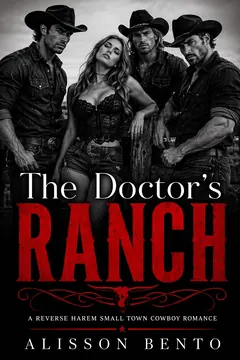 The Doctor's Ranch
4.1 Goodreads 4.58 (19) Buy on Amazon
See the book
-
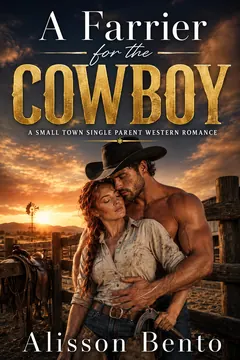 A Farrier for the Cowboy
4.4 Buy on Amazon
See the book
-
 The Little Bookstore in Cedar Hollow
Buy on Amazon
See the book
-
 Crosswind Cowboy
4.2 Buy on Amazon
See the book
-
 Intoxicating Touch
4.0 Goodreads 3.77 (31) Buy on Amazon
See the book
-
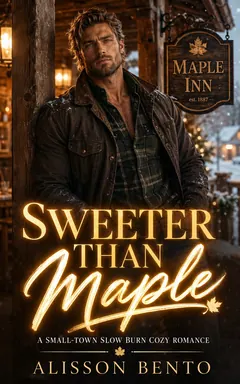 Sweeter Than Maple
Buy on Amazon
See the book
-
 The Nanny He Never Forgot
Buy on Amazon
See the book
-
 A Cowboy's Way Home
Buy on Amazon
See the book
-
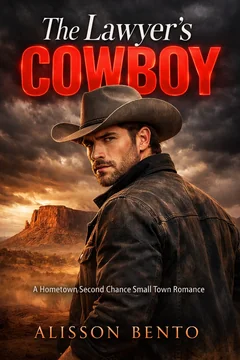 The Lawyer’s Cowboy
Buy on Amazon
See the book
-
 Dusthallow Days
Buy on Amazon
See the book
-
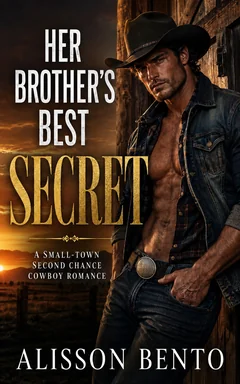 Her Brother's Best Secret
Buy on Amazon
See the book
-
 Under Montana Skies
Buy on Amazon
See the book
Browse by what you crave.
By genre
By trope
- Find romance books by trope
- Possessive Hero
- Captor & Captive
- Bodyguard & Protector
- Debt & Bargain
- Enemies to Lovers
- Marriage of Convenience
- Forbidden Love
- Forced Proximity
- Small Town
- Fake Dating
- Arranged & Forced Marriage
- Boss & Employee
- Slow Burn
- College & Academia
- Secret Baby
- Single Dad
- Revenge
- Curvy Heroine
- Second Chance
- Fated Mates
- Royals
- Grumpy & Sunshine
- Morally Grey
- Runaway Bride
- Age Gap
- He Falls First
- Holiday Romance
- Touch Her and Die