For readers who want a second encounter with a former partner, a secret-child premise, and an architect heroine shown at work. The coastal restoration deadline gives the opening practical stakes, while Elena's return to the place she left connects professional responsibility with unresolved grief.
13 books
Secret Baby Romance: A Guide to Hidden Parenthood
Secret baby romance turns unequal knowledge about parenthood into a source of relationship tension. A child, pregnancy or family connection exists, but the people affected do not begin with the same information. That gap can come from concealment, a broken channel of communication, someone else's interference or an unexpected disclosure. The most useful question is not simply when the secret will come out. Ask whose knowledge is missing, why it is missing and what ordinary life has been built around the gap. These standalone premises range from a mother maintaining a hidden address to a surgeon confronted with private records, a ranch employee recognizing a remembered stranger and a student protecting childcare routines. The collection also includes pregnancy-centered setups, so compare the individual situation rather than expecting every book to follow the same reveal. Choose the reason for uncertainty that interests you and the kind of responsibility you want beside it.
Compare these starting points
Choose this for an accomplished surgeon who is also a protective mother, a secret-paternity premise, and a confrontation built on breached medical privacy. Aveline's steadiness at work sharpens the impact of a stranger knowing intimate facts about her daughter.
For readers who want a ranch arrival with sharp humor, a mother carrying a consequential secret and practical stakes for both households. Delaney's financial urgency, Theo's presence and Briggs's grazing problem make the opening about shelter and responsibility as much as recognizing a remembered stranger.
Choose this for a student artist raising a secret baby, a hockey player's lost relationship memories, and family interference backed by financial power. Maisie's scholarship and childcare arrangements give the opening concrete daily stakes alongside her uncertainty about what Callahan can remember.
Begin with the person who does not know
A story can place the missing information with the child's father, the mother or a wider family. Those possibilities change the first emotional question. A parent keeping a known connection private faces a different problem from someone whose understanding of a birth was shaped by false information. Look for what the opening actually establishes, and distinguish a character's belief from the truth the title invites you to anticipate. That helps you choose an entry point without reducing every hidden-parenthood premise to the same accusation.
The Son She Never Held brings architect Elena Navarro back to Mercy Harbor for a ninety-day restoration contract. Liam Calloway, the man she left five years earlier, holds the other signature. Elena departed after being told her baby had died. Her immediate work involves dangerous access, missing structural information and a historic lifesaving station that may face redevelopment. Choose this opening if you want the family question approached through a heroine's grief and professional return, with preservation decisions giving her something concrete to do while the place brings the past closer.
A remembered stranger can become the person who controls a needed opportunity
In Nanny for the Cowboy, Delaney West arrives at Wishbone Ranch with a stranded car, one shoe, forty-one dollars and her year-old son Theo. A live-in nanny position offers room, board and a possible restart. Briggs Colter opens the door, and she recognizes the stranger from an anonymous night in Denver. He does not recognize what Theo means. His daughter Maeve inspects the newcomer while Delaney confronts the collision between a private past and the place she needs to stay.
This setup combines information with material dependence. Delaney is not making the discovery in a neutral place where she can easily finish the conversation and leave. The job and accommodation give the encounter practical weight, while Briggs has his own ranch problem: a land-trust hearing could cost essential summer grazing. For readers, that creates two kinds of uncertainty to compare with other books on the shelf. You may prefer the familiar person returning through work, or the recognition of someone whose importance was not known during the earlier encounter.
Missing memories create a different barrier from deliberate rejection
Iced Out Memories introduces Maisie Winslow raising eleven-month-old Rosemary while maintaining an art scholarship. Rosemary's eyes and wrist birthmark keep the connection to hockey player Callahan Briggs visible to Maisie. Callahan is recovering from a catastrophic brain injury that erased the months containing their relationship. Isadora's threats to Maisie's scholarship and custody pushed her into hiding during his rehabilitation, and six unanswered letters deepened the separation. Timed classes and childcare now sustain a life that has consumed her savings.
If you are selecting for the reason communication failed, this opening supplies several distinct pressures: lost memory, outside threats, unanswered attempts and financial strain. It is especially different from a premise in which the characters both remember their encounter but one has not been told about a child. Readers drawn to the work of maintaining a hidden routine can begin with Maisie's schedule. Those drawn to uncertainty about shared history can focus on the months Callahan cannot remember. The scholarship and care arrangements keep those questions attached to a specific daily life.
Hiding an address puts secrecy into the physical world
Some secrets are maintained through distance, changed names and careful habits. Such a premise can appeal if you want danger around the family rather than a reveal limited to an intimate conversation. Notice what the mother has done to preserve privacy and what breaks that arrangement. The detail makes a difference: a remembered face, visible resemblance and a compromised digital safeguard each give the threat a different form. They also reveal what kind of competence the heroine has needed to sustain her ordinary days.
The Don's Secret Son follows Alessia Rossi in an ordinary subdivision with her son Zeno Marino. Digital safeguards protect their address until a neighborhood network sweep bypasses her decoy and traces back to Chicago. She prepares passports, money and the source drive containing the Ghost Protocol, but a black SUV arrives before the escape is complete. The Mafia's Baby instead introduces pediatric nurse Lara Knight hurrying home through a Chicago blizzard after a shift. Her changed name and erased digital footprint protect a four-year-old son whose differently colored eyes visibly echo a dangerous man from her past.
Compare the threat to privacy with the heroine’s immediate task
Alessia's rehearsed contingencies and Lara's journey toward a sitter give hidden family life different textures. One opening turns a technical breach into an escape procedure. The other follows work, money and transport pressure while attention from a black SUV revives an old fear. Readers can choose between those situations according to whether they want operational suspense or danger intruding into a demanding care routine. Both beginnings make privacy something the mother has actively maintained, rather than simply a fact withheld in dialogue.
That distinction can sharpen your broader preference. Do you want to watch a character respond to a known alarm, or notice uncertainty accumulating during an ordinary obligation? Do you enjoy technical preparations, or the cost of being delayed when someone is caring for your child? The hidden connection matters in both cases, but these questions identify the surrounding experience. A secret-parenthood label becomes more useful when paired with the action that the heroine must take in the opening: pack, travel, protect a schedule or question an intrusion.
Private records can give the reveal a confrontational starting point
The Doctor and the Billionaire introduces Aveline Dubois performing delicate surgery on a child's brain. Her own four-year-old daughter Maeve is the vulnerability that professional skill cannot remove. On a Seattle hospital skybridge, Gideon Crane approaches with a request for a private meeting for his employer. He knows Maeve's diagnosis, childhood surgery and coming scan. When Aveline challenges the intrusion, he produces a paternity document naming Soren Lindqvist, information she has shared with only one confidante.
This is a useful comparison for readers who want the secret exposed through evidence rather than resemblance or accidental recognition. Aveline's competence is already visible, so the confrontation does not depend on presenting her as unable to act. The pressure comes from someone else's access to information and the reach of that access into her daughter's life. Compare her interrogation of an intrusive stranger with Delaney's recognition at a ranch door. One begins with a demand to justify knowledge; the other asks how to handle knowledge she herself carries.
Pregnancy disclosure and hidden parenthood are neighboring experiences
This shelf also includes premises that begin before a child is born. A pregnancy disclosure can alter who is involved in a decision without reproducing years of concealed parenthood. The timing matters because the characters may face medical information, contractual obligations or a change to a chosen plan. If you specifically want an existing child and a reunion, check that the individual description provides them. If you want the first collision between intended motherhood and unexpected involvement, a pregnancy-centered opening may be the stronger match.
Pregnant by the Cold Tycoon starts with landscape architect Chloe Evans celebrating a positive test after choosing fertility treatment and an anonymous donor. A clinic call explains that a retrieval error supplied private client Grant Mercer's sample. In The Trust Fund Bride, Laurel Payne expects an offer of work but instead hears a marriage proposal tied to inheritance payments. The agreement requires proof of pregnancy within twelve weeks and a child during its eighteen-month term. One premise disrupts an independently chosen plan; the other asks a financially struggling artist to examine parenthood as a proposed contractual obligation.
Choose the form of responsibility beside the secret
A hidden connection can coexist with a strong professional identity, but the kind of work changes the reading experience. Elena makes safety decisions for a restoration crew. Aveline has surgical authority while defending private family information. Maisie organizes classes and childcare around limited money. Delaney seeks accommodation through employment. Those distinctions offer practical selection criteria beyond the anticipated reveal. Which life would you most like to enter, and what would you want the heroine to keep while confronting the family question?
Also consider the time scale you want. An imminent job arrival concentrates recognition into a first meeting; a scheduled scan makes medical information urgent; a savings shortage turns daily routines into pressure that has accumulated. These are different routes into suspense even when pregnancy or parenthood is central. For a useful shortlist, pair one family preference with one practical one: an existing child and academic life, a private history and a medical workplace, or a remembered encounter and a ranch job. The pairing makes your choice more specific than the trope alone.
It can also help to distinguish the person seeking answers from the person trying to stay hidden. Readers who enjoy an active search may prefer Elena questioning a damaged place and Aveline questioning an intrusive messenger. Readers who want the effort behind concealment may prefer Maisie protecting a timetable or Alessia preparing an escape. This preference concerns the heroine’s immediate activity, so it remains useful even before you know when or how the family information will be shared.
Does secrecy always mean the same motive or emotional conflict?
No single motive covers this collection. Concealment after a frightening relationship differs from missing communication during rehabilitation, and both differ from a clinic disclosing a mistake. Ask what the heroine knows, what she has tried and what she risks by speaking. Those questions help you identify the tension that appeals to you without assuming that every parent has made the same choices. A reason presented in the opening is also a starting condition, not a summary of how every later conversation will unfold.
All these books are standalone, so choose the initial problem you want rather than a required reading sequence. Use the individual description and available sample to assess tone, the place of the child and the balance between romance and external pressure. Consult specific book information for explicit content, sensitive material or an ending detail that matters to you. The strongest first choice is one you can name precisely: Elena's return through preservation work, Maisie's carefully maintained routine, Delaney's consequential job arrival or Aveline's challenge to an intrusion into family privacy.
-
 Bestseller
Pregnant by the Cold Tycoon
4.4 Goodreads 4.21 (24) Buy on Amazon
See the book
-
 Bestseller
The CEO's Stolen Son
Buy on Amazon
See the book
-
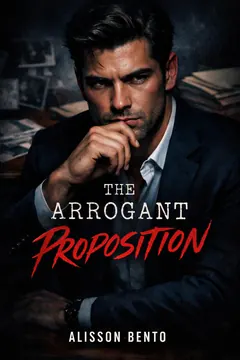 The Arrogant Proposition
4.2 Goodreads 4.00 (18) Buy on Amazon
See the book
-
 Nanny for the Cowboy
4.0 Goodreads 4.00 (10) Buy on Amazon
See the book
-
 The Birthday Proposal
4.4 Goodreads 4.47 (17) Buy on Amazon
See the book
-
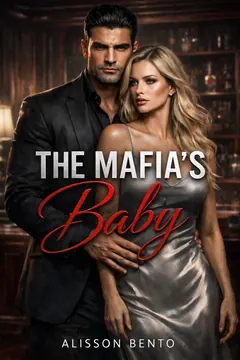 The Mafia's Baby
3.9 Goodreads 4.28 (29) Buy on Amazon
See the book
-
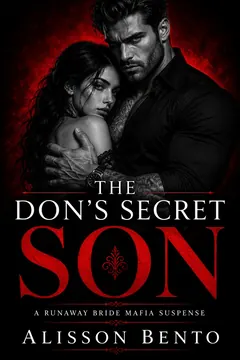 The Don's Secret Son
3.7 Buy on Amazon
See the book
-
 The Doctor and the Billionaire
3.8 Buy on Amazon
See the book
-
 Iced Out Memories
Buy on Amazon
See the book
-
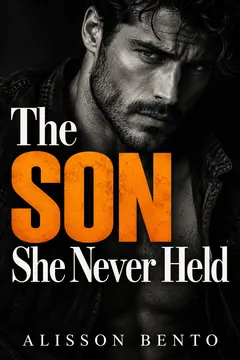 The Son She Never Held
Buy on Amazon
See the book
-
 The Trust Fund Bride
Buy on Amazon
See the book
-
 New
The CEO's Nine-Year Secret
Buy on Amazon
See the book
-
 Grávida do Bilionário Frio
Buy on Amazon
See the book
Browse by what you crave.
By genre
By trope
- Find romance books by trope
- Possessive Hero
- Captor & Captive
- Bodyguard & Protector
- Debt & Bargain
- Enemies to Lovers
- Marriage of Convenience
- Forbidden Love
- Forced Proximity
- Small Town
- Fake Dating
- Arranged & Forced Marriage
- Boss & Employee
- Slow Burn
- College & Academia
- Single Dad
- Revenge
- Curvy Heroine
- Second Chance
- Fated Mates
- Royals
- Grumpy & Sunshine
- Morally Grey
- Runaway Bride
- Age Gap
- He Falls First
- Holiday Romance
- Touch Her and Die