


Choose this for a novice heroine, a dark captive mafia premise, and a debt that threatens an entire religious community. Lena's careful observation of her brother's behavior and Nicolás's concern over criminal authority give the opening a specific mixture of personal betrayal and institutional stakes.
4 books
Runaway Bride Romance: Choose What She Is Escaping
Runaway bride romance turns a promised future into a question: who chose it, what does leaving cost, and what must the heroine carry into the life she wants instead? The appeal can lie in the first dangerous dash, the careful work of staying hidden, or the arrival of a new person whose help carries its own demands. Choosing among those tensions matters more than expecting every book to begin beside a wedding aisle. A runaway-bride theme can frame a whole premise while its first scene concentrates on a road, a server room, or a home built years after escape. Alisson Bento's standalone novels offer several distinct entrances. A woman fleeing an imposed marriage breaks down on a coastal road. A mother discovers that safeguards protecting her address have failed. A data thief tries to preserve the only surviving copy of a criminal ledger. A woman preparing religious vows confronts her brother's gambling disaster. Compare the freedom each heroine is trying to preserve and the practical obstacle immediately in front of her. Their beginnings reveal different kinds of initiative, vulnerability, and interrupted commitment.
Compare these starting points
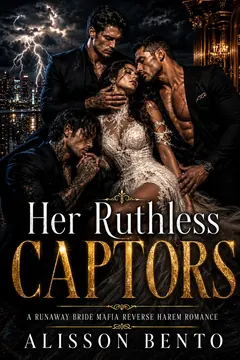
For readers drawn to a runaway mafia bride, a roadside interception, and a reverse harem premise involving a rival syndicate. Serafina's stolen car and discarded phone show the practical limits of her escape, while the captors' discipline distinguishes their threat from her uncle's pursuit.
For readers interested in a secret child, a runaway bride with technical skills, and mafia suspense driven by digital pursuit. Alessia's prepared escape routes and hidden source drive turn maternal protection into concrete action, while Zeno's practiced response shows how flight has shaped their household.
Standalone novel
The Don's Stolen Bride
Choose this for a technically capable heroine, criminal ledger evidence, and an arranged-marriage mafia premise. Regina's opening combines a destructive escape with a pulse-linked data safeguard, making her survival inseparable from the valuable information she carries when a second syndicate closes off her route.
Start with the future she refuses
A refusal becomes meaningful when there is something specific to refuse. The proposed marriage may secure family power, conceal an obligation, or assign the heroine a role she did not choose. Ask what her departure would interrupt for other people and what it would restore for her. Those are separate interests. Relatives may describe a wedding as necessary while she sees it as the loss of authority over her own life. For your reading choice, look for the person who controls the arrangement and the means used to enforce it. A heroine avoiding embarrassment at a ceremony would face a different problem from one fleeing armed relatives.
It also helps to distinguish the heroine's immediate destination from her larger desire. Reaching neutral territory, protecting a child, preserving evidence, and keeping a chosen community intact can all make movement important. Yet only the first is simply a place to reach. The others involve ongoing responsibilities that travel with her. If you want an urgent escape narrative, a breakdown or interception may be the opening you prefer. If you want the strain of maintaining a concealed life, start with a heroine whose first flight happened earlier. The runaway theme can interest you through either the act of leaving or the labor required afterward.
A failed escape puts the route itself under pressure
Her Ruthless Captors begins with Serafina Rossi in a stolen sedan, leaving the family stronghold where her uncle has taken her father's power and arranged her wedding. She aims for neutral territory, but the engine fails beside a steep drop to the ocean. Discarding her phone has helped her evade tracking while also removing a familiar way to call for assistance. She has a small blade, a disabled car, and little room to maneuver when two SUVs block her route. The men approaching are not her uncle's people: they belong to the rival De Luca family.
Tracker Lazaro, enforcer Bastian Santoro, and boss Corrado De Luca turn that breakdown into another capture. Their different roles distinguish the group before any assumption about its romantic development. This is a confirmed mafia reverse harem premise, so choose it if a why-choose configuration belongs among your preferences. Its opening attraction for a runaway-bride reader is also practical: Serafina has taken action, reduced one tracking risk, and then encountered a mechanical failure she cannot solve alone. The first crisis tests the route she chose rather than merely announcing that she is defiant. Rival power changes the danger she faces without making her earlier decision meaningless.
A roadside opening may suit you if you enjoy decisions constrained by terrain and equipment. The stolen vehicle gives Serafina mobility until its failure reverses that advantage. The discarded phone illustrates a tradeoff: concealment can remove a useful resource. Such details make the heroine's preparation visible without treating preparation as invulnerability. Compare this kind of tension with a heroine who has passports, money, and rehearsed contingencies already waiting. One beginning compresses the problem into the next minutes; another places those minutes inside years of planning. Your preference may depend on whether you want immediate improvisation or a carefully constructed life suddenly tested.
An escape can remain active years later
The Don's Secret Son introduces Alessia Rossi after three years in an ordinary subdivision with her son, Zeno Marino. She fled her wedding already pregnant after Bastian declared that the Moretti bloodline would end with him and punished challenges to his authority. Digital safeguards have protected her address. When a neighborhood network sweep bypasses her decoy and traces back to Chicago, the discovery threatens the quiet she has maintained. Alessia collects passports, cash, and the original drive holding the Ghost Protocol that made their disappearance possible. A black SUV arrives before those preparations become a completed departure.
Choose this beginning if you want the runaway's responsibilities to extend beyond herself. Zeno's presence makes the protected home more than a disguise. Alessia's documents and source drive give the response a rehearsed shape, while the network breach shows that the protection she built can still be penetrated. Compare her with Serafina: the coastal escape has just failed, whereas Alessia must respond to a hidden life's exposure. Both heroines face interception, but they bring different histories and resources to it. A mother protecting a child may offer the emotional stakes you seek even when the opening's suspense is carried by technical detection and a vehicle outside.
The secret-child element is a separate reason to select this novel. It tells you that parenthood matters to the premise, rather than supplying a conclusion about how the adults will respond to it. You may be drawn to the tension between a domestic routine and a threat that recognizes the people behind it. An ordinary neighborhood can make danger feel sharp because the setting represents work already done to obtain distance. If your interest in runaway brides includes the question of what a woman manages to build after leaving, a concealed home offers a different starting point from the ceremony she escaped.
Stolen information can determine what she carries
The Don's Stolen Bride opens with Regina Shepard destroying the server room she built in an abandoned subway tunnel. She has spent six months extracting Colombano Dellucci's ledger data, and his men are now breaching the space. Wiping and damaging the machines prevents that information from returning to him. Her surviving copy is on a biometric drive against her chest, designed to destroy its contents if her heart stops. Regina climbs a ventilation shaft into a Chicago snowstorm, where an armored SUV blocks the alley. Ignazio Santarossa, who heads another syndicate, already knows her name.
The book belongs to the runaway-bride collection, but this opening is specifically an escape with evidence, not an account of Regina abandoning a wedding. Its confirmed arranged-marriage premise supplies another dimension to inspect on the book page. Choose the beginning for a heroine whose technical work and physical survival are tightly linked. The drive makes information something she must carry and protect, while destroying the server room gives departure an irreversible practical cost. Compare it with Alessia's source drive: both women preserve a small device when a larger protective environment fails, but Regina's material comes from theft of a criminal ledger and Alessia's from the system that enabled disappearance.
If professional or technical competence is important to you, ask what the escape forces the heroine to do with her work. Keeping it, concealing it, or destroying parts of it can demand different kinds of judgment. Regina cannot simply take every machine with her; the first scene requires a decision about what may survive. This may appeal to readers who enjoy resourcefulness expressed through tasks rather than declarations. The interception then adds a question about the new man's knowledge. Recognizing the heroine can signify preparation without establishing that the person doing so offers a refuge she can freely accept.
A chosen vow can be interrupted by someone else's debt
Stolen From the Altar begins with Lena Hart preparing religious vows at Sacred Heart. Her brother Marcus arrives shaking and describes an expected creditor as a matter of diocesan paperwork. His explanation does not withstand her attention: a poker chip and his history with family money suggest another problem. He has lost millions through gambling and pledged deeds covering the church, parish house, and convent land. Nicolás Varela's arrival brings the collection into the place Lena has chosen for her future. His own organization's loyalties make a move against the sisters politically costly.
This is a useful comparison if the bride label initially makes you think only of a romantic wedding. Lena's first commitment is religious, and the threatened future includes a community rather than an individual partner alone. The opening establishes family deception, institutional property, and divided authority. It does not establish a voluntary flight from the vows she is preparing. Choose this novel if you want the interruption of a chosen vocation to matter beside the dark captive mafia premise. Compare it with Serafina's refusal of an imposed wedding: one heroine is trying to leave a future assigned by relatives, while the other confronts relatives endangering a future she has selected.
Evaluate the new power she encounters
An escape can change who holds the advantage without restoring freedom. Rival men on a blocked road, a syndicate leader waiting outside a tunnel, or a creditor entering a religious community offer different forms of authority. Ask what the newcomer controls at the point of contact: transport, information, property, or the immediate ability to leave. Those concrete powers explain the opening's tension better than a general promise of a dangerous hero. They also distinguish the attraction of a new alliance from the suspense of another capture. You can be interested in both while still wanting to know which one the description actually establishes.
Use neighboring themes to refine that choice. Captivity names restricted freedom; arranged marriage names an imposed or negotiated relationship arrangement; why-choose names a romantic configuration with multiple partners. None replaces the runaway's own objective. Start with the woman whose effort you want to follow, then select the additional conflict that interests you. These are standalone books, so each provides its own entry. A road toward neutral ground, a home protected for years, a ledger carried through snow, and a community threatened before vows offer four distinct reasons to begin. Choose the responsibility or resource you want the heroine to fight to retain.
Browse by what you crave.
By genre
By trope
- Find romance books by trope
- Possessive Hero
- Captor & Captive
- Bodyguard & Protector
- Debt & Bargain
- Enemies to Lovers
- Marriage of Convenience
- Forbidden Love
- Forced Proximity
- Small Town
- Fake Dating
- Arranged & Forced Marriage
- Boss & Employee
- Slow Burn
- College & Academia
- Secret Baby
- Single Dad
- Revenge
- Second Chance
- Curvy Heroine
- Fated Mates
- Royals
- Grumpy & Sunshine
- Morally Grey
- Age Gap
- He Falls First
- Holiday Romance
- Touch Her and Die