Choose this for an analytically minded doctoral heroine, a father's gambling debt, and an arranged-marriage premise delivered through formal institutional courtesy. Zoya's habit of translating feeling into case notes makes the opening particularly suited to readers interested in psychological distance under coercive pressure.
15 books
Mafia Arranged Marriage Romance: A Selection Guide
A marriage arranged inside a criminal power structure can be a treaty, a settlement, a rescue purchased through concessions, or a carefully disguised attack. Each version puts the wedding before an established romantic bond, but the reason for marrying changes what you are choosing. A heroine who negotiates a political agreement faces a different first problem from one whose father has already promised her to a creditor. Start with the person or institution supplying the terms, then consider what the heroine stands to lose by refusing. This collection brings together mafia and Bratva novels with the arranged-marriage tag, including forced-marriage premises. The label covers different degrees of choice; it does not make an agreement voluntary. All these books are standalone. You can select the opening conflict you want without establishing a reading order. The examples below distinguish marriage mechanisms, professional identities, family pressures, and the kinds of knowledge each heroine brings into an unfamiliar relationship.
Compare these starting points
For adult readers drawn to arranged marriage, rival crime families, and a heroine who responds to pressure with argument and negotiation. The opening emphasizes waterfront politics and a law student's determination to define her own terms, making this a useful choice when intellectual resistance matters as much as danger.
Standalone novel
The Pakhan’s Bride Bargain
Choose this for a curvy working heroine, a marriage bargain tied to her mother's medical care, and a why-choose mafia framework. Amara's craft and blunt negotiations give the premise a particular focus: she is asked to save her family by entering the house that helped ruin it.
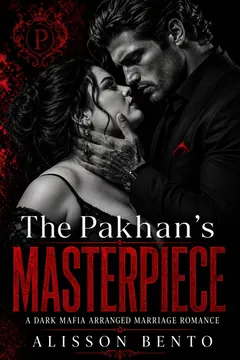
For adult readers who want an art-world heroine and a dark marriage premise rooted in a father's betrayal. The restoration setting gives Yulia a specific source of competence, while the suspicious painting adds intrigue to the financial transaction that threatens to dismantle her carefully independent life.
Look at what the wedding is meant to accomplish
A marriage can serve several audiences at once. For criminal families it may settle territory, debts, or an ongoing conflict; for the heroine it can threaten her work, education, safety, or ability to decide where she lives. Choose by the gap between those two purposes. If the public expects peace while one participant sees an attack, the first romantic meeting carries very different tension from a wedding intended to secure urgent medical care.
The Leonov Decree makes Katerina Volkov’s marriage to Dmitry Leonov the council’s price for ending waterfront bloodshed. The Pakhan’s Bride Bargain puts Amara Costa’s mother’s heart surgery and family debts inside the proposed marriage terms. Cruel Kingpin presents Sabine Rossi’s engagement as a truce to the guests, while her handler has ordered her to kill Gabriel Conti. These are three distinct reasons for proximity: political settlement, rescue with conditions, and a mission hidden inside a celebration.
A treaty bride has more than a private relationship to negotiate
The political version of arranged marriage appeals when you want the couple’s decisions to matter beyond the rooms they share. The wedding can place them between constituencies that expect loyalty, concessions, or a visible result. Useful selection questions include who authorized the union, which losses made it necessary, and whether the heroine understands the agreement well enough to challenge it. A rival-family marriage does not automatically make every conversation a contest, but it gives private boundaries a public context.
Katerina in The Leonov Decree has built her future around legal training and escape from Brooklyn’s waterfront violence. A summons interrupts her final examinations, and the decree ties her father’s survival and remaining territory to marriage with a rival Pakhan. Her annotated agreement gives the premise a specific appeal: resistance through clauses rather than only through defiance. Consider it if you want a heroine answering inherited obligation with the intellectual tools she has worked to acquire.
A debt settlement turns family trust into part of the bargain
When a parent incurs debt and proposes a daughter as settlement, the immediate conflict reaches in two directions. The criminal creditor has power over the transaction, but the parent has also changed the relationship at home. Readers drawn to betrayal can compare whether the heroine discovers the bargain after it is made, enters a house hoping to negotiate, or receives an offer with an identifiable benefit she cannot otherwise secure. The financial mechanism should be clear enough to understand the practical pressure.
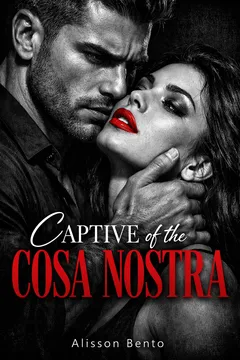
Yulia Sokolov in The Pakhan's Masterpiece learns that her father has arranged for her to settle his gambling debt to Maxim Volkov. Harper Mills in Captive of the Cosa Nostra returns from a harp performance to armed men and a father who has offered her against money he borrowed and squandered. Both openings place the heroine in a transaction she did not create. Their different working lives, restoration and music, supply different forms of independence for that betrayal to threaten.
Notice whether the heroine arrives expecting marriage
The point at which the heroine learns the proposed solution changes the first encounter. Someone traveling to confront a debt may prepare arguments or calculations that become useless when the institution proposes a wedding instead. Someone surprised at home must understand the danger while the collectors are already in the room. Those arrangements can share a destination while offering different experiences of uncertainty and shock.
The Subject of Him begins with Zoya arriving at a Saint Petersburg manor over her father’s gambling losses. Her doctorate is unfinished, and she uses clinical observation to organize rooms, gestures, and her reactions. A folder names Ceslav Rurik as creditor; the house offers marriage as settlement and requires her to remain until its principal proposes. Compare that institutional reception with Harper’s invaded apartment in Captive of the Cosa Nostra. One starts with a journey made for a different purpose; the other turns an expected return home into a confrontation with a completed bargain.
Urgent help can make the terms especially difficult to refuse
A proposed marriage that pays for something indispensable creates a different dilemma from one presented only as punishment. The heroine may be able to articulate the cost of refusal while still having little practical freedom. For selection, identify the promised benefit and any conditions she demands before proceeding. An offer can be materially useful and coercive at the same time; the interesting question is how those features affect the heroine’s response.
In The Pakhan’s Bride Bargain, Amara Costa makes wedding gowns while trying to hold her family together. The Sokolovs destroyed her father’s shipping business, and their marriage offer would erase debts and fund her mother’s urgent heart surgery. Amara insists that treatment be secured first and that the agreement be read before witnesses. Her practical conditions distinguish this opening from Yulia’s father making arrangements behind her back. Choose Amara’s premise when you want family rescue and an attempt to make an unequal bargain enforceable.
Professional identity changes the texture of resistance
Skills matter most as a reading preference when they shape what a heroine notices, values, and can attempt. A scholar may classify unfamiliar behavior; a restorer may examine altered surfaces; a dressmaker may think through materials, measurements, and the practical cost of a commission. These details keep the marriage pressure attached to an existing life. They also give you a way to choose between books that share the same criminal and marriage tags.
Zoya’s research habits in The Subject of Him make the manor’s organization part of her attempt to manage fear. Yulia’s restoration work in The Pakhan's Masterpiece leads her to notice tampering in a nineteenth-century painting her father delivers. Amara’s atelier in The Pakhan’s Bride Bargain is a place where she normally constructs other women’s wedding gowns. That inversion gives her own offer an immediate personal context. Select the kind of expertise you enjoy watching under pressure, rather than assuming the strongest heroine must have the greatest physical power.
A concealed mission makes intimacy part of the danger
If you want the marriage arrangement to contain a secret objective, look for whose knowledge differs at the first encounter. A character assigned to attack a prospective spouse has to perform willingness while assessing vulnerabilities. The romantic attraction can then complicate a task whose original purpose has nothing to do with romance. This subtype invites close attention to gestures, exits, surveillance, and who recognizes another person’s performance.
Cruel Kingpin puts Sabine in Gabriel’s ballroom with an assassination deadline of midnight. Her handler Davor Markov has trained and controls her; to the syndicate guests she appears to be a bride securing a truce. Gabriel approaches the event with suspicion after betrayal within his own family. Their first dance becomes a contest over movement and perception. Choose this setup for immediate tactical pressure inside a formal occasion. It offers a very different reason to read a marriage scene from Katerina’s clause-by-clause negotiations in The Leonov Decree.
Relationship structure is another choice within the intersection
The arranged-marriage label describes how the relationship is initiated; it does not settle the number of romantic leads. Readers looking for why-choose romance should add that filter and inspect who the individual description introduces. Likewise, a story involving one named prospective spouse should be selected through its own setup rather than inferred from a title alone. The criminal institution and the relationship configuration are separate parts of your reading preference.
The Pakhan’s Bride Bargain belongs to this intersection and carries the why-choose tag. Its opening places Amara’s proposed wedding inside a struggle over the Sokolov house and waterfront power. The catalogue therefore gives a reason to inspect it if multiple romantic leads are essential to your search. The precise development of those relationships belongs to the individual book. If the political agreement itself is your priority, compare it with The Leonov Decree; if the heroine’s work is the draw, compare its dressmaking setting with Yulia’s restoration gallery.
How is this different from marriage of convenience?
Marriage of convenience usually directs attention toward the practical purpose of the union and the benefits sought through it. Arranged marriage directs attention toward how the match is supplied or imposed. A book may combine those features, but they are not identical selection questions. An externally ordered treaty, an agreement pursued to save a business, and a parent’s unilateral debt settlement can all involve practical stakes while allowing very different degrees of choice.
On this shelf, ask whether you want to read the process of negotiating terms or the consequences of discovering terms already established. Amara’s demands about treatment offer one kind of negotiation; Yulia’s father announcing a completed contract offers another starting point entirely. If you mainly want a mutually useful legal arrangement, browse marriage of convenience as well. If the source of the match and the heroine’s response to external authority are central, this mafia arranged-marriage intersection is the more direct place to compare premises.
What can I decide before reading the whole book?
You can make a useful choice from the initial mechanism: treaty, debt collection, conditional family rescue, institutional proposal, or covert mission. Then choose the heroine’s resources and the scale of the surrounding stakes. Legal analysis, scholarship, craft, music, and tactical training create distinct starting points. A shorter shortlist is often more helpful than trying to rank every title by a single idea of intensity.
For explicit content, sensitive material, and ending details, consult reliable information for the selected book. A forced-marriage tag does not provide a complete content inventory, and a skillful heroine does not establish how much control she later gains. The examples here give concrete reasons to begin: Katerina contesting a decree, Zoya assessing a creditor’s institution, Amara securing care before agreement, Yulia protecting a professional identity, Harper confronting betrayal at home, or Sabine performing a bride’s role under lethal orders. Choose the problem you most want to follow, then open that standalone.
-
 Bestseller
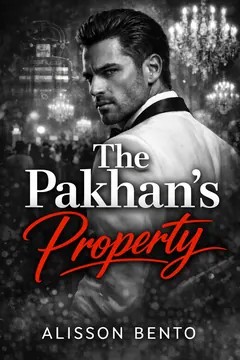
The Pakhan’s Property
3.8 Goodreads 4.07 (27) Buy on Amazon
See the book
-
 Bestseller
Captive of the Cosa Nostra
3.8 Goodreads 4.06 (16) Buy on Amazon
See the book
-
 Sold to the Yakuza
4.1 Goodreads 4.47 (17) Buy on Amazon
See the book
-
 Property of the Camorra
3.9 Goodreads 3.62 (26) Buy on Amazon
See the book
-
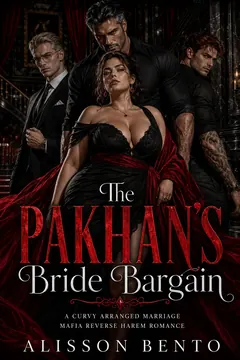 The Pakhan’s Bride Bargain
Buy on Amazon
See the book
-
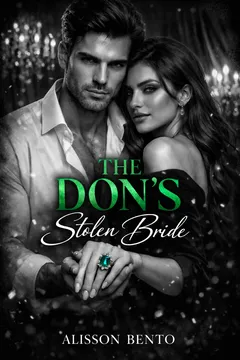 The Don's Stolen Bride
4.2 Buy on Amazon
See the book
-
 The Pakhan's Muse
3.6 Goodreads 3.31 (26) Buy on Amazon
See the book
-
 The Pakhan's Masterpiece
Buy on Amazon
See the book
-
 The Leonov Decree
Buy on Amazon
See the book
-
 The Don’s Doctor
3.4 Goodreads 3.62 (24) Buy on Amazon
See the book
-
 The Subject of Him
Buy on Amazon
See the book
-
 Mafia's Twisted Rites
Buy on Amazon
See the book
-
 Dirty Contracts
Buy on Amazon
See the book
-
 Cruel Kingpin
Buy on Amazon
See the book
-
 The Consigliere's Wife
Buy on Amazon
See the book
Browse by what you crave.
By genre
By trope
- Find romance books by trope
- Possessive Hero
- Captor & Captive
- Bodyguard & Protector
- Debt & Bargain
- Enemies to Lovers
- Marriage of Convenience
- Forbidden Love
- Forced Proximity
- Small Town
- Fake Dating
- Arranged & Forced Marriage
- Boss & Employee
- Slow Burn
- College & Academia
- Secret Baby
- Single Dad
- Revenge
- Curvy Heroine
- Second Chance
- Fated Mates
- Royals
- Grumpy & Sunshine
- Morally Grey
- Runaway Bride
- Age Gap
- He Falls First
- Holiday Romance
- Touch Her and Die