For readers who want a cowboy single-dad romance shaped by childcare, financial pressure, and complicated shared history. The nanny and employer dynamic has personal weight here: helping a household means encountering its grief and its boundaries. A standalone choice for readers drawn to family life and the difficulty of accepting support.
7 books
Single-Dad Cowboy Romance: Care, Work and New Connections
Single-dad cowboy romance places a new connection inside a life that already has responsibilities. Ranch work, parenting and a prospective relationship may demand different kinds of attention, and competence in one does not make the others effortless. The most useful first question is how the new adult enters that life. She might apply for childcare work, return with painful shared history, bring a trade the property needs or meet the father through a local institution. Each route gives her a different relationship to the household before attraction develops. Some openings also give her a child, financial pressure or a difficult journey of her own. Choose the form of care and contact you want to follow, then compare the western work around it. These books are standalone, with distinct situations rather than a single promise about how a new family must form.
Compare these starting points
A good fit for readers seeking a bookshop setting, a returning heroine, a single father, and a slow-burn relationship. Family letters and bereavement give the small-town atmosphere emotional substance. Choose this standalone for a romance where reconnecting with a place is closely tied to learning who deserves your trust.
For readers drawn to Texas small-town life, wedding logistics, and a homecoming complicated by a former love. Wren's practical skills and precarious finances make her return specific, while Colt brings the single-father cowboy dynamic. This standalone suits readers who enjoy familiar banter carrying unresolved feelings underneath.
For readers who want a ranch arrival with sharp humor, a mother carrying a consequential secret and practical stakes for both households. Delaney's financial urgency, Theo's presence and Briggs's grazing problem make the opening about shelter and responsibility as much as recognizing a remembered stranger.
Identify the gap in the household's support
Start by asking what help is missing. A father may love his child and still lack enough time, reliable care or a way to combine school routines with outdoor work. That distinction makes the family situation more specific than a general claim of being overworked. Readers who like practical parenting can look at how the gap becomes visible. Does someone close to the family suggest help? Does the father recruit an employee? Does a professional visitor encounter the child while doing another job? These routes give the new adult different responsibilities from the beginning and make reliance a meaningful part of the romance.
The Nanny He Never Forgot introduces Wyatt able to deliver a calf in freezing darkness but unable to make ranch work and raising Daisy fit into two hands. His daughter sleeps in the truck while he works, bills continue and people around him can see how much effort the arrangement requires. Clara Gables's return offers a possible solution he does not want named. Choose this opening if you want the need for help recognized before the father is comfortable accepting it. His capability with livestock does not eliminate the different demands of keeping a household and caring for a child.
A familiar caregiver brings more than a résumé
Knowing someone already does not necessarily make accepting her help easier. The past can give an offer emotional weight that a stranger's application would not carry. For readers drawn to renewed connection, notice what remains between the adults and why contact becomes necessary now. A child's needs should be considered separately from the adults' wish to avoid an uncomfortable conversation. The tension comes from both being true: help may be useful, and the person who could provide it may be connected to an injury that has not been resolved. Familiarity therefore supplies neither instant trust nor an easy professional starting point.
Wyatt's reluctance concerns something he said to Clara after losing his wife and son. Her return places the person attached to that painful memory close to a household maintained through effort. Dusthallow Days offers another form of familiarity: Wren Calloway returns with a failing car, little money and a troubled engagement to help with Della's wedding. Colt Duvane, the boy she once loved, is now a guarded man repairing a fence. Old jokes recover their rhythm, but old hurt also surfaces. Compare a possible caregiving arrangement with a wedding homecoming when choosing the kind of unfinished history you want around a single-dad western premise.
Two parents can arrive with different family obligations
A nanny applicant may have a child of her own. That changes the household arrangement before attraction is considered: employment, accommodation and two children's needs may enter the same decision. Readers who enjoy overlapping family responsibilities can compare what each adult knows when the job begins. A brief phone agreement provides less room for questions than a full interview, and an unexpected recognition can make practical negotiation suddenly personal. Look for the visitor's resources as well as the father's needs. Someone seeking a room and reliable meals is choosing work under different conditions from someone who can easily turn down an uncomfortable offer.
Nanny for the Cowboy brings Delaney West to Wishbone Ranch with one shoe, a stranded car, forty-one dollars and her year-old son Theo. The live-in position is supposed to offer room, board and a fresh start. Briggs Colter, who opens the door, is the stranger she spent an anonymous night with in Denver. He does not recognize what Theo means, while his daughter Maeve examines the arrivals. Choose this opening for a working arrangement complicated by a concealed family connection. Briggs is also facing a land-trust hearing threatening summer grazing, so the ranch's immediate pressures coexist with Delaney's need for a place to stay.
Caregiving expertise creates a particular kind of conflict
If professional competence is your preferred route into attraction, examine what the prospective caregiver is trained to do. A father's first impression may clash with qualifications that address a specific household need. That offers a different reading experience from a visitor simply being kind to a child. The job requires judgment, and the caregiver may need to defend her ability before having the opportunity to demonstrate it. Readers can also distinguish understanding someone's grief from agreeing with every restriction he imposes. Recognizing the source of hostility does not remove the employee's financial needs or make work boundaries irrelevant.
Heartless Cowboy introduces Kay Cross at Iron Heart Ranch with little money and an interview she cannot afford to lose. Her child-development and trauma-care training should matter, but Conrad Presley initially dismisses her. His wife died in an accident, and Davy has stopped speaking since it. A two-week trial brings Kay into a home organized around silence and restrictions, after previous nannies have not lasted. Choose this premise for professional capability confronting a father's defensive first judgment. Compare Kay's attempt to establish credibility with Delaney's unexpected recognition: both need the work, but the immediate complication differs between being underestimated and knowing something important the employer does not.
A journey to the job can carry its own danger
Rural distance can affect a household story before the new employee reaches the door. If you like an urgent opening, compare travel conditions with the work awaiting the visitor. A failing vehicle, a storm and a missing signal give the arrival practical consequences beyond lateness. The prospective caregiver has to manage her own safety before she can offer stability to anyone else. This differs from an interview organized around qualifications: the first test is reaching the place at all. It also makes an employment contract important as a reason for undertaking a journey that the character might otherwise avoid.
The Cowboy's Sunshine begins with Willa Callaway heading toward Merritt Ranch on depleted savings and a nanny contract she cannot afford to lose. The agency warns that Bowen Merritt expects punctuality, but a Montana blizzard overwhelms the route. Her old truck loses its heater, engine and lights, and there is no phone signal. A rider on a large sorrel horse insists she leave her belongings for an immediate escape. Choose this grumpy single-dad-and-nanny western for an arrival turned into a roadside survival emergency. The opening establishes a grieving rancher and his quiet daughter Clementine as the household ahead, without treating the storm encounter as a complete account of their relationship.
Independent work offers another entrance to family life
Not every prospective partner is hired to care for a child. A trade visit can bring someone into a ranch household while preserving a separate task and professional identity. That suits readers who want parenting present without making it the heroine's initial occupation. Notice who requested the service and who attempts to direct it. The visiting professional may be capable of helping with other work, but assistance does not automatically make her subordinate to every adult on the property. The attraction can emerge through competence and respect while the child's presence introduces a different household rhythm alongside the job.
A Farrier for the Cowboy introduces Wren Calloway arriving at the Colane ranch to trim and shoe horses. Bridger's father arranged the appointment; Bridger handles the immediate ranch demands. Wren demonstrates broader skill during a cattle-sorting problem and notices practical help behind his curt welcome. She also objects to being managed by someone who is not her employer. Choose this opening for a skilled visitor negotiating boundaries. Compared with Kay's caregiving trial, Wren has a clearly different professional purpose. Both can reveal whether a man respects expertise, but the reasons for contact and the responsibilities attached to it are not interchangeable.
A local institution can connect two forms of loss
Sometimes the first connection is a place shared by a community rather than an employment arrangement inside the father's home. That can appeal if you want slower attention to belonging and memory. A returning woman has her own history to face, while a widowed father carries responsibilities beyond the possibility of romance. Their losses need not be identical to bring them into the same setting. Compare what the place meant to each person before the encounter. A bookstore tied to a grandmother offers a different kind of contact from a ranch position accepted because accommodation is urgently needed.
The Little Bookstore in Cedar Hollow brings Charlotte Monroe back after leaving a job, ending an engagement and losing the grandmother whose letters she left unanswered. The Reading Nook, central to her childhood, comes with an inheritance requiring a year in town. Eli Hayes is a firefighter and widowed father with his own connection to the bookstore and its former owner. Choose this slow-burn premise for books, inherited belonging and two different experiences of loss. Charlotte's obligation concerns an institution beyond Eli's household. That distinguishes their opening from a nanny story even though fatherhood remains an important part of the romantic context.
Compare the practical stakes before selecting the mood
These openings offer different pressures rather than one universal portrait of a cowboy father. Wyatt needs more support than effort alone can provide. Briggs must consider ranch grazing while welcoming an employee whose past he does not fully understand. Conrad's household asks for caregiving knowledge under restrictive conditions. Willa must survive the journey toward her job. Wren the farrier enters through an independent trade, while Charlotte returns to a bookstore with community history. Choose the practical situation that interests you and the prospective partner's role within it. Then use the individual book information for the intensity and boundaries important to your reading preferences.
For painful history attached to needed care, begin with The Nanny He Never Forgot. For a live-in nanny who arrives with her own child and an unexpected recognition, consider Nanny for the Cowboy. Heartless Cowboy foregrounds training and a contested first judgment; The Cowboy's Sunshine starts with perilous travel. A Farrier for the Cowboy makes a separate profession the entry point, and The Little Bookstore in Cedar Hollow places connection around an inherited local institution. Dusthallow Days offers wedding preparations and old affection. Every book stands alone. Fatherhood, rural work and relationship setup are separate selection clues; together they help you choose a specific household situation without assuming a particular ending or level of heat.
-
 Bestseller
Heartless Cowboy
4.6 Goodreads 4.47 (38) Buy on Amazon
See the book
-
 Nanny for the Cowboy
4.0 Goodreads 4.00 (10) Buy on Amazon
See the book
-
 A Farrier for the Cowboy
4.4 Buy on Amazon
See the book
-
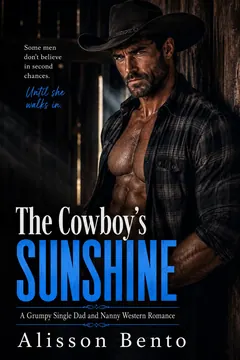 The Cowboy's Sunshine
3.8 Buy on Amazon
See the book
-
 The Little Bookstore in Cedar Hollow
Buy on Amazon
See the book
-
 The Nanny He Never Forgot
Buy on Amazon
See the book
-
 Dusthallow Days
Buy on Amazon
See the book
Browse by what you crave.
By genre
By trope
- Find romance books by trope
- Possessive Hero
- Captor & Captive
- Bodyguard & Protector
- Debt & Bargain
- Enemies to Lovers
- Marriage of Convenience
- Forbidden Love
- Forced Proximity
- Small Town
- Fake Dating
- Arranged & Forced Marriage
- Boss & Employee
- Slow Burn
- College & Academia
- Secret Baby
- Single Dad
- Revenge
- Curvy Heroine
- Second Chance
- Fated Mates
- Royals
- Grumpy & Sunshine
- Morally Grey
- Runaway Bride
- Age Gap
- He Falls First
- Holiday Romance
- Touch Her and Die