Choose this for a plus-size baker, a brother's casino debt, and a romance involving three Bratva brothers. The opening places everyday labor and sharp dialogue beside criminal pressure, with Mary's unfinished orders and family kitchen giving the danger an unusually concrete personal cost.
10 books
Curvy-Heroine Mafia Romance: Choose by Character and Conflict
Looking for a curvy heroine in mafia or Bratva romance is a precise starting point, but it still leaves several important choices open. You might want a woman whose established work meets criminal pressure, a family obligation that changes her options, a marriage arranged without her agreement, or a romance involving multiple love interests. The heroine’s body type and the criminal setting identify this intersection; the individual premise tells you what she wants and what disrupts her life. The books discussed here all belong to the catalogue’s mafia and curvy-heroine intersection, and each is standalone. Their openings introduce bakers, an art restorer, a dressmaker, a woman attempting to settle her brother’s debt, and a woman searching for property records. That range helps you choose by character and conflict instead of assuming one emotional formula for plus-size romance. These comparisons focus on how each book begins and the relationship framework in its description. They do not assign a heat level, summarize an ending, or claim that all heroines experience their bodies in the same way.
Compare these starting points
For readers who enjoy a competent veterinarian, a Wyoming ranch, and the meeting of western romance with criminal secrecy. Serena's arrival turns a professional contract into a question of trust, with unfamiliar security and two watchful men complicating her attempt to concentrate on the horses.
Standalone novel
The Pakhan’s Bride Bargain
Choose this for a curvy working heroine, a marriage bargain tied to her mother's medical care, and a why-choose mafia framework. Amara's craft and blunt negotiations give the premise a particular focus: she is asked to save her family by entering the house that helped ruin it.
Choose this for a curvy bakery owner who challenges a casino creditor with practical negotiation, within a why-choose romance involving three brothers. Lena goes to the powerful man's territory by choice to accompany Danny, and her demand for accountable terms defines the opening's distinctive resistance.
Decide how much narrative attention you want on body identity
A curvy-heroine tag identifies a feature of the heroine, but it does not describe every way the story handles her experience. Some readers seek a heroine whose body is part of her everyday identity while another conflict takes the foreground. Others want more sustained attention to how she sees herself, how others see her, and what attraction changes in those encounters. The tag alone cannot tell you the balance, so look for the concrete concerns foregrounded in the individual description.
The examples here introduce women through labor, family, evidence, and threatened independence. Mary’s pastry orders in Seduced by the Bratva, Yulia’s restoration gallery in The Pakhan's Masterpiece, and Olivia’s bridal commission in The Bratva's Velvet Bride give you more to compare than an adjective about appearance. If body-image themes are your decisive preference, consult the selected book’s own information. Do not assume a particular insecurity, transformation, or message merely because the heroine is plus-size.
Working heroines give the danger somewhere specific to land
A business can function as the place where a heroine’s independence becomes visible. She has schedules to meet, bills to pay, tools she knows how to use, and people who depend on her. An intrusion into that space therefore threatens more than a quiet evening. Readers who enjoy heroines with established lives can compare what the work demands before deciding which criminal premise they prefer.
Mary is completing a late-night pastry order at her family’s Calle Ocho bakery when Nicolas arrives over Danny’s casino debt in Seduced by the Bratva. Olivia works after closing at Chicago’s Velvet Atelier because a bridal commission will help pay the gas bill in The Bratva's Velvet Bride. Her uncle arrives with enforcers and locks the door, violating the workshop’s expected neutrality. Both openings bring danger into work, but one makes a sibling’s account the reason for collection while the other foregrounds family authority entering a dressmaker’s sanctuary.
Consider the people attached to the workplace as well. Mary’s family kitchen and Olivia’s assistant Shana make independence a social experience, with obligations and relationships already present before the criminal intrusion. If an established everyday life matters to your reading, those details offer concrete reasons to inspect these titles more closely instead of selecting only by the romance framework.
Art restoration creates a different kind of heroine
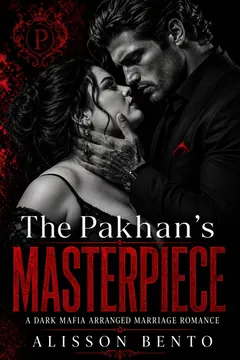
If you prefer a heroine whose expertise also offers a way to read mysteries, The Pakhan's Masterpiece is a useful candidate. Yulia Sokolov has built a Chicago restoration gallery apart from her father’s gambling and unreliable promises. A nineteenth-century painting he delivers shows signs of tampering. Her work gives the opening a particular texture: she is trained to notice what a surface conceals, and her professional tools represent an identity she has deliberately made for herself.
Her father’s debt to Maxim Volkov then turns that independent life into the subject of a marriage transaction. For selection, the combination matters more than either tag in isolation. Curvy heroine tells you something about Yulia; arranged marriage tells you about the romantic framework; the story begins with family betrayal and a suspicious object. Choose this premise if threatened craftsmanship and concealed evidence interest you alongside the marriage pressure. The suspicious painting gives Yulia something specific to examine even as the proposed marriage threatens the life she has built.
Two bakery openings can still promise different first encounters
Occupations are helpful filters, but identical work does not imply identical story mechanics. Compare what interrupts the shift and what the heroine must do immediately. One opening may call for negotiation with a stranger; another may force the heroine to handle an emergency involving someone she loves. The profession supplies a recognizable baseline against which those differences become easier to feel.
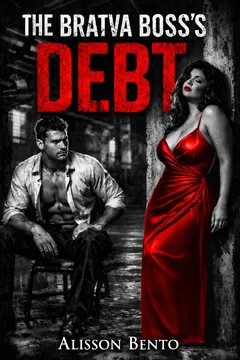
In Seduced by the Bratva, Mary confronts criminal authority in her kitchen while unfinished orders remain on the bench. In The Bratva Boss's Debt, Madeline Mann closes Sugar & Lace Bakery during a Boston blizzard, worried because her brother Troy has not called. When he arrives bleeding and asks for her car, she uses clean bakery towels to respond to his injury. Mary’s opening exposes an account through an unwelcome visit; Madeline’s opens with fear, practical care, and an injured relative. Both books belong to this exact shelf, but their initial emotional demands are different.
Read debt through the heroine’s choices and information
When family liability draws the heroine toward a powerful man, ask what she knows and what she attempts before his conditions take over. Choosing to negotiate does not guarantee the ability to leave; discovering a betrayal does not settle what she will do about it. These gaps create different forms of tension and help distinguish a heroine acting on incomplete information from one surprised by danger at home.
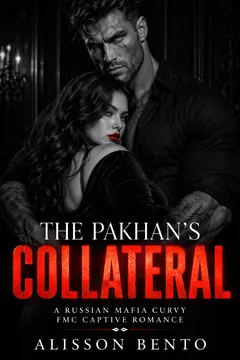
Harper Evans arrives at Nikolai Volkov’s gates in The Pakhan's Collateral with forty-two thousand six hundred dollars toward a five-million-dollar claim involving her missing brother. She wants time and a workable plan, then learns that he has offered her as leverage. Financial records complicate the account, and a blizzard blocks the road. Compared with Mary’s interrupted bakery in Seduced by the Bratva, Harper’s deliberate journey starts from an attempted solution. Select according to whether you want to enter through confrontation, an emergency, or a negotiation that changes shape.
Protection, restriction, and attraction need separate questions
A powerful romantic lead may control resources, information, or access to safety. That creates a useful distinction between attraction to capability and the practical consequences of depending on it. Readers can compare what the heroine is allowed to do, what she wants to know, and whose assessment of danger governs the situation. A curvy-heroine tag does not determine any of those dynamics, and a criminal setting does not make them interchangeable.
The Pakhan's Collateral explicitly begins with restrictions on Harper’s movements and communication inside a snowbound residence. The Fake Wife Deception introduces Rhea Harris at the Alderton Grand pursuing records about a property transfer. Norman Medina recognizes troubling patterns in the document handoff, but his knowledge itself becomes something she must assess. One opening puts a would-be negotiator under house rules; the other places a woman seeking evidence beside a guarded stranger. Those premises offer distinct questions about control and trust without revealing the answers in advance.
Choose whether public performance appeals to you
A fake relationship creates a difference between the impression characters present and what they privately understand. In a mafia setting, the stakes of that impression may involve access, credibility, or danger, but the specific purpose must come from the book’s description. If you enjoy watching a constructed public role complicate attraction, use fake relationship as an additional filter rather than assuming every bride title means a performance.
The Fake Wife Deception carries fake-relationship and bodyguard tags alongside curvy heroine. Its opening centers Rhea’s search for documentary truth and a hotel with contested history. By contrast, The Pakhan's Masterpiece carries arranged marriage and begins with a father’s transaction against gambling debt. These frameworks prompt different selection questions: do you want a public role whose private meaning is uncertain, or a marriage imposed through someone else’s bargain? For the practical terms of the deception, consult the book’s description before choosing on that feature alone.
Is this shelf only for single-hero romance?
This intersection includes different relationship structures. Curvy heroine concerns the heroine; mafia concerns the setting; neither specifies the number of romantic leads. If a romance involving more than one love interest is essential to your search, the why-choose tag is the useful next step. Check the named leads and premise instead of relying on a cover image or a plural word in a title.
Seduced by the Bratva identifies Nicolas, Rian, and Luca as the three brothers whose orbit Mary enters, and the catalogue marks it why-choose. That makes it an eligible example for readers seeking both a plus-size heroine and multiple romantic leads within this criminal setting. If the group’s relationship boundaries or distribution of attention matter to your choice, look for those details in the book’s own information. Readers seeking another structure can compare the marriage or bodyguard premises on this shelf, using the descriptions to learn who is introduced and why the relationship begins.
Does curvy heroine mean a particular heat level or emotional arc?
The tag does not supply a heat rating, a detailed account of body-image themes, or a guarantee about the heroine’s emotional development. It also cannot tell you whether attraction is immediate or gradually recognized. To choose well, keep representation preferences alongside other reading priorities. You might want a plus-size professional heroine, but still prefer investigative uncertainty over a family debt, or multiple romantic leads over an imposed marriage.
The catalogue examples establish useful entry points: Yulia’s threatened gallery, Rhea’s documentary search, Harper’s attempted debt settlement, and Olivia’s interrupted dressmaking. They do not justify claiming that every heroine faces the same insecurity or receives the same form of affirmation. If a particular experience or sensitive subject matters to you, check reliable information for the individual title. Treating the tag as a starting point preserves the distinctions between these women and gives you a better chance of finding the story you actually want.
How can I make a useful shortlist without reading a series first?
All the novels in this catalogue are standalone books, so start with one clear preference. Choose a work setting you enjoy, a source of external pressure, or a relationship framework. Then compare two descriptions that share that feature. For bakery heroines, Mary and Madeline offer an intrusion and an emergency. For threatened professional independence, Yulia and Olivia offer restoration and dressmaking. For uncertainty about trust, Harper’s enforced stay and Rhea’s guarded hotel encounter provide different questions to follow.
Keep the final choice specific enough to explain in a sentence: you want a restorer confronting a family bargain, a baker drawn toward three brothers, or a woman pursuing disputed documents. Series labels can help you browse related atmosphere afterward, but you can select any of these premises on its own. Before opening the book, check its own information for explicit content, sensitive material, or ending details that matter to you. This guide narrows the search through grounded setup comparisons; it does not replace a full book-specific description.
-
 Bestseller
Seduced by the Bratva
Buy on Amazon
See the book
-
 Bestseller
The Bratva Boss's Debt
3.8 Buy on Amazon
See the book
-
 Bestseller
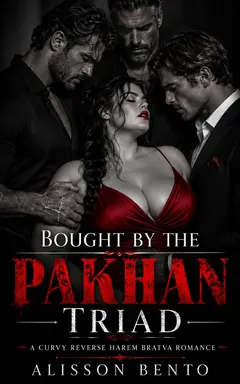
Bought by the Pakhan Triad
Buy on Amazon
See the book
-
 The Bratva's Velvet Bride
4.3 Goodreads 4.25 (12) Buy on Amazon
See the book
-
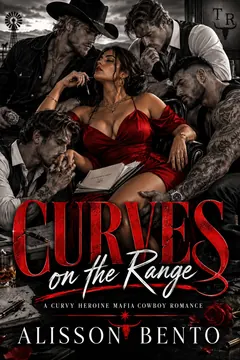 Curves on the Range
Buy on Amazon
See the book
-
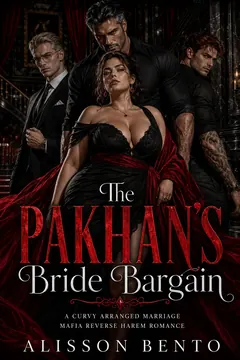 The Pakhan’s Bride Bargain
Buy on Amazon
See the book
-
 The Pakhan's Collateral
4.2 Buy on Amazon
See the book
-
 The Pakhan's Masterpiece
Buy on Amazon
See the book
-
 The Fake Wife Deception
Buy on Amazon
See the book
-
 New
His Curvy Collateral
Buy on Amazon
See the book
Browse by what you crave.
By genre
By trope
- Find romance books by trope
- Possessive Hero
- Captor & Captive
- Bodyguard & Protector
- Debt & Bargain
- Enemies to Lovers
- Marriage of Convenience
- Forbidden Love
- Forced Proximity
- Small Town
- Fake Dating
- Arranged & Forced Marriage
- Boss & Employee
- Slow Burn
- College & Academia
- Secret Baby
- Single Dad
- Revenge
- Curvy Heroine
- Second Chance
- Fated Mates
- Royals
- Grumpy & Sunshine
- Morally Grey
- Runaway Bride
- Age Gap
- He Falls First
- Holiday Romance
- Touch Her and Die