Choose this for a trained infiltrator heroine, a vampire syndicate tower, and betrayal revealed through a mission that becomes captivity. The unexpectedly cooperative security system makes Ainsley's discovery concrete before Joseph's explanation challenges the belonging she believed the Society had given her.
8 books
Mafia Enemies to Lovers Romance: Choosing a Story
Enemies-to-lovers mafia romance puts attraction across a line that matters to the characters. The line might be a family grievance, an opposing organization, a financial campaign, a discovery of stolen property, or the return of someone a heroine has spent years avoiding. Before choosing, identify what makes these people adversaries. A dislike that can be reconsidered through conversation differs from an objective that requires one person to defeat, exploit, or escape the other. This intersection includes standalone mafia novels marked enemies to lovers. Some also cross into vampire, dark, or other settings, so the criminal environment need not follow one set of familiar rules. The examples below compare the origin of antagonism, the information available at the start, and the heroine’s practical goal. Look for the conflict you want to see challenged by attraction, rather than expecting every hostile first encounter to lead through the same arguments or emotional stages. The starting reason for opposition is often the best way to distinguish your next read.
Compare these starting points
For readers who want an art specialist heroine, hostile attraction, and mafia power confronted through evidence rather than rumor. The painting's hidden mark and fabricated ownership trail make the professional dispute personal, while Vladimir's control of the gallery turns refusal into an immediate risk.
Choose this for a medically capable heroine, inherited cartel debt, and a captivity premise rooted in a missing shipment. Valentina's experience supporting bereaved families makes the news about her father especially personal, while Javier's methodical collection establishes the limits of her available choices.
Choose this for a runaway bride's preparations, political corruption, and a dark mafia match arranged without a first meeting. Elise's hidden identity and stolen records make the wedding opening a calculated escape attempt, with family respectability shielding the transaction she wants to defeat.
Choose the source of opposition before its intensity
Two people can stand against one another because their organizations are enemies, because one controls something the other needs, or because a past wrong remains unresolved. Those sources of opposition create different expectations. Institutional rivalry may demand loyalty beyond the individual relationship. A property dispute asks whose account of ownership is credible. A hidden financial strategy may make the heroine an instrument in a conflict she did not choose.
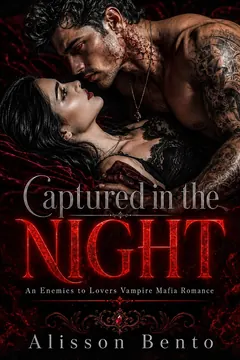
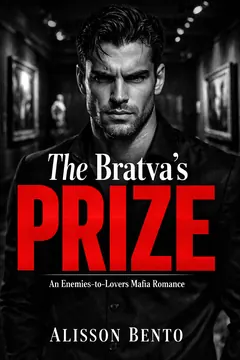
Captured in the Night sends Ainsley Powers into the Marrow Syndicate’s tower to destroy servers, only for the operation to become a trap. The Bratva's Prize puts provenance specialist Lena Hart before a painting with evidence linking it to her family’s lost collection. Calculated Sins begins with Vito devising leverage to recover money from another man, including a plan involving that man’s architect daughter. Choose according to whether you want collapsed allegiance, a personally charged claim, or a strategist’s deliberate exploitation to organize the first conflict.
Professional truth can be the reason the heroine refuses
A heroine may become an adversary through doing her job accurately. That is a useful variation when you want conflict grounded in an identifiable standard rather than only temperament. The tension comes from a powerful person wanting cooperation that would contradict what she knows. Look at the evidence she possesses, the action demanded of her, and whether the dispute is personal before it becomes professional or professional before it becomes personal.
In The Bratva's Prize, Lena Hart finds her grandfather’s hidden ultraviolet mark on a masterpiece in Vladimir Sergeev’s gallery. False customs stamps and an impossible registrar reference undermine its polished acquisition record. Vladimir wants her signature confirming authenticity while excluding questions of ownership. Lena cannot separate that demand from the raid that ruined her family, and naming the history leads him to lock the viewing room. Consider this premise for art expertise, documentary contradiction, and a refusal whose personal stakes become clear through the work itself.
An attack that becomes a trap changes whose story can be trusted
An operative entering an enemy stronghold starts with a purpose and an assumed account of the conflict. A trap can challenge more than tactical confidence: it may reveal that the people who supplied the mission had another reason for sending her. Readers who enjoy a heroine reassessing allegiance can choose this subtype for the collision between trained judgment and evidence that her own side may have used her.
Ainsley in Captured in the Night climbs the Marrow Syndicate’s Boston tower carrying an incendiary for its servers. Her handler’s route appears prepared, but missing guards and a secure door opening too easily expose the welcome as suspicious. Vampire leader Joseph Marrow knows her name and claims her mentor sent her as tribute to protect his territory. Her attempt to fight fails. The vampire-mafia setting adds another difference from Lena’s gallery dispute: the heroine confronts a leader with supernatural identity while the explanation for her own arrival has become unstable.
A financial plan may target the heroine indirectly
Some enemy premises begin with the future romantic lead making a calculated choice about someone else’s vulnerability. The target of the larger campaign may be a parent or institution, while the heroine becomes useful leverage. If this is your preferred tension, read for what she knows about the plan and what parts of her life have already been controlled. Attraction starts inside a strategy rather than merely interrupting an argument.
Calculated Sins introduces Vittorio Calvi trying to recover fifty million dollars moved by Marcus Aris into protected offshore accounts. Killing Marcus would leave that money inaccessible. Vito therefore investigates Marcus’s daughter Sienna, an architect who has tried to separate herself from his wealth. Marcus still controls her inheritance and interferes with employment; an interview invitation becomes part of Vito’s route to bringing her into his tower. This opening may especially interest readers who enjoy information gathering and indirect leverage rather than a spontaneous clash between strangers.
A heroine seeking escape brings a different objective
When the heroine’s goal is to get away, the early tension involves logistics as well as attraction. Identity papers, transport, money, evidence, and timing can matter because refusal has practical consequences. A planned marriage may provide the public image that makes an escape harder to notice. Choose this direction if you enjoy a heroine preparing her own route rather than waiting for the next person to define her options.
Slava's Prize begins with Elise Black preparing for a wedding arranged by her senator father to shipping magnate Slava Semenov, who has Bratva connections. The public sees a merger of influence and wealth. Elise plans to disappear before the reception dinner. A false identity and hidden gun are part of the plan, while laundering records in her father’s study offer possible leverage against being returned. Compare her deliberate preparation with Ainsley’s prepared infiltration: each woman has equipment and an objective, but one seeks distance from a union while the other moves into a supposed enemy’s territory.
Family catastrophe can overturn a familiar life
Another entry begins with a working heroine who understands her own world but not the account that suddenly reaches her. She may have skills for handling emergencies without the information needed to answer criminal demands. This can interest readers who want a recognizable routine broken by a claim that changes what family trust meant. Compare the first explanation she receives with what she can verify or challenge in the room.
Caged in Miami introduces Valentina Reyes after a trauma shift at Miami General, where she has tried to save a young gunshot victim and supported his grieving mother. At home, Javier Cruz says her father has been killed after a twelve-million-dollar shipment disappeared from an operation through his garage. Nicolás Castillo claims her as collateral, and payment plans or calls are ruled out. Valentina’s medical calm remains a resource, but she is confronting a financial and family account she never knew existed. Choose this for the abrupt collision between clinical competence and criminal collection.
Long avoidance creates a different kind of anticipation
A heroine who has already built a hidden life enters with something more developed than a first impression of danger. Her routines may depend on remaining unnoticed. The suspense comes from signs that those routines are no longer enough, especially when another person’s connection to her family is difficult to conceal. This direction differs from an immediately revealed contract or an operative’s mission because the threatened achievement is the distance she has maintained.
In The Mafia's Baby, pediatric nurse Lara Knight finishes a Chicago hospital shift and hurries through a blizzard toward her son’s sitter. Tight finances and transport delays matter to the working evening before a black SUV draws her attention. Lara changed her name and removed her digital footprint after an encounter four years earlier with a dangerous man whose eyes were different colors. Her son Leo carries that same trait. The opening offers a hidden mother’s life at risk of discovery; it does not require the reader to know the eventual confrontation to understand why being seen matters.
Do I want verbal hostility or incompatible aims?
Sharp exchanges can be enjoyable, but a disagreement in dialogue is only one way to express opposition. The more useful selection question is whether the characters’ immediate goals conflict. Lena refuses certification Vladimir wants. Ainsley arrives to damage Joseph’s institution. Vito’s strategy involves Sienna as leverage. Elise plans to evade the wedding others celebrate. These aims give antagonism a practical form even before any particular style of banter is established.
If you primarily want lively verbal friction, check the chosen book’s description or sample for the tone of the exchanges. If you want a deeper conflict of interests, identify what one person would have to give up for the other to succeed. That is where this intersection becomes especially specific: attraction can coexist with an unresolved task, claim, or plan. You need not rank every book by how fiercely the heroine speaks. A quiet refusal, a concealed escape plan, or an accurate piece of analysis can carry substantial opposition.
How do captivity, debt, and secrecy change this trope?
Enemies to lovers describes the relationship’s antagonistic framework. Captivity describes constraints on departure. Debt supplies a financial claim. Secrecy changes what the participants know. These features can combine, but each answers a different question about why attraction is difficult. A locked gallery and a hidden identity should not be treated as equivalent simply because both interrupt an easy courtship.
Use the adjacent collection matching your strongest preference. For the inability to leave, inspect captivity. For liability and repayment, inspect debt. For the way an obligation establishes the pair, compare arranged marriage. Then return to the individual premise, because the same additional theme can operate differently across a gallery, hospital worker’s home, syndicate tower, or political wedding. The broader enemies-to-lovers shelf may also help if you want hostility beyond a mafia setting. Changing the setting can preserve the opposition you enjoy while replacing the institutions, resources, and dangers that make it concrete.
Which questions should decide the final shortlist?
Ask what the heroine is trying to do before attraction becomes a consideration: certify truthfully, complete a mission, keep her professional independence, escape a wedding, protect a child’s hidden life, or understand a family catastrophe. Then ask which person or structure blocks that goal. This creates a more personal shortlist than choosing only by a threatening hero or a promise of conflict. It also distinguishes active antagonism from a general atmosphere of danger.
All these titles are standalone. You can begin with the problem that most interests you, without treating similar series labels as required preparation. For sensitive material, explicit content, relationship boundaries, and endings, seek title-specific information. The examples support choices about the starting conflict, not a prediction of every stage of reconciliation. A useful decision identifies the exact opposition you want to follow and leaves room for the individual story to complicate it. That is the attraction of this intersection: desire encounters a reason for resistance that the characters cannot simply ignore.
-
 The Mafia's Baby
3.9 Goodreads 4.28 (29) Buy on Amazon
See the book
-
 Slava's Prize
3.8 Goodreads 3.67 (15) Buy on Amazon
See the book
-
 Captured in the Night
Buy on Amazon
See the book
-
 The Bratva's Prize
Buy on Amazon
See the book
-
 Caged in Miami
Buy on Amazon
See the book
-
 Calculated Sins
4.1 Goodreads 4.20 (10) Buy on Amazon
See the book
-
 Stolen by the Enemy
Buy on Amazon
See the book
-
 The Tycoon's Submissive
Buy on Amazon
See the book
Browse by what you crave.
By genre
By trope
- Find romance books by trope
- Possessive Hero
- Captor & Captive
- Bodyguard & Protector
- Debt & Bargain
- Enemies to Lovers
- Marriage of Convenience
- Forbidden Love
- Forced Proximity
- Small Town
- Fake Dating
- Arranged & Forced Marriage
- Boss & Employee
- Slow Burn
- College & Academia
- Secret Baby
- Single Dad
- Revenge
- Curvy Heroine
- Second Chance
- Fated Mates
- Royals
- Grumpy & Sunshine
- Morally Grey
- Runaway Bride
- Age Gap
- He Falls First
- Holiday Romance
- Touch Her and Die